

Maddy summarySRES 172 is a symbolic Senate resolution designating the week of April 11-17, 2025, as the eighth annual "Black Maternal Health Week," established by the Black Mamas Matter Alliance, Inc. It aims to raise national awareness about the severe maternal health disparities affecting Black women and birthing people in the U.S., citing data showing Black women are 2-3 times more likely to die from pregnancy-related causes than white women. The resolution does not create new laws or allocate funding but formally recognizes systemic inequities, such as the 2023 maternal mortality rate of 50.3 deaths per 100,000 live births for Black women, and emphasizes the need for culturally responsive care. It serves as a platform to amplify community-led efforts and policy solutions, like the Black Maternal Health Momnibus Act, without implementing direct policy changes.
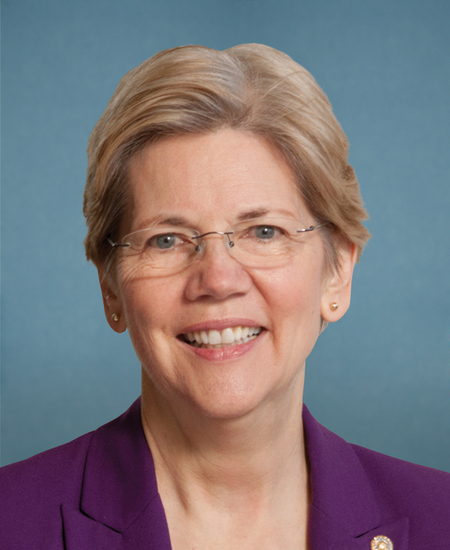
Sen. Elizabeth Warren
Sponsored bills
Maddy summaryThis resolution designates the week of April 19-27, 2025, as "National Park Week" in the U.S. Senate. It encourages the public to responsibly visit, experience, and support national parks across the United States. The resolution highlights the National Park System’s role in preserving natural and cultural resources while acknowledging its economic impact and recreational value. It does not create new laws or alter funding, focusing solely on recognition and public engagement.
Maddy summaryThe PROSPECT Act creates grants to improve childcare access for student parents attending community colleges and minority-serving institutions. It provides access grants for free, high-quality childcare for up to 500,000 children under age 3, requiring centers to offer non-traditional hours, disability accommodations, and culturally responsive care. Impact grants will expand childcare supply through training, mentorship, and funding for providers in underserved areas, while pipeline grants support early childhood educator preparation programs to grow the childcare workforce. The bill mandates that childcare centers prioritize low-income student parents, maintain staff wages comparable to elementary educators, and provide accessible care for children with disabilities. These grants aim to reduce barriers to college completion for student parents while strengthening the infant and toddler childcare workforce.
Maddy summaryThe Child Care Nutrition Enhancement Act of 2025 increases federal reimbursements for meals served in child care settings. It adds a 10-cent per meal and supplement reimbursement for providers participating in the Child and Adult Care Food Program, effective after the bill's enactment. This change directly affects licensed child care centers, family day care homes, and group day care providers who receive federal nutrition funding. The bill modifies existing reimbursement rules under the National School Lunch Act without creating new programs or eligibility requirements.
Maddy summaryS 1445, the Stop Arctic Ocean Drilling Act of 2025, prohibits the U.S. government from leasing or authorizing oil and gas exploration, development, or production in Arctic areas of the outer Continental Shelf. The bill directly affects federal agencies, specifically the Secretary of the Interior, by blocking new leases or extensions for oil and gas activities in these sensitive Arctic waters. It amends the Outer Continental Shelf Lands Act to add a permanent prohibition, overriding existing laws, with the Arctic defined per the 1984 Arctic Research and Policy Act. This bill would prevent future drilling permits in the Arctic Ocean region without requiring new congressional action.
Maddy summaryThis bill reauthorizes the Trade Adjustment Assistance (TAA) program through December 31, 2031, extending benefits for workers, businesses, and farmers displaced by international trade. It updates funding periods to cover 2026-2032 (previously 2015-2021) for all TAA components, including worker training, firm assistance, and farmer support. The bill includes specific provisions to process pending petitions filed between July 1, 2021, and enactment, requiring certification under current rules for those cases. Existing cases with petitions filed before June 30, 2021, will continue under prior terms without change.
Maddy summaryThis bill extends the expiration date for certain Defense Production Act (DPA) authorities from September 30, 2025, to September 30, 2026. It directly affects the federal government's ability to use DPA powers for national security-related production, such as manufacturing critical materials or equipment. The key provision is a simple date amendment to Section 717(a) of the DPA, maintaining existing emergency authorities without new requirements or changes to the law's scope.
Maddy summarySenate Bill 1466, the Resources for Victims of Gun Violence Act of 2025, establishes an Advisory Council to help victims of gun violence access available resources. The Council, composed of federal agency heads and appointed victims/victim professionals, will identify best practices and create a public resource guide covering medical, financial, mental health, legal, and housing needs. It must produce an initial report within 180 days of enactment (and a follow-up report after two years), sharing this information with Congress, state agencies, and the public through online and print materials. The bill does not authorize new funding and expires after five years.
Climate Change Financial Risk Act of 2025 This bill addresses climate change risk and its potential impact on the financial system. The Federal Reserve Board must develop financial risk analyses relating to climate change for certain large nonbank financial companies and bank holding companies. Specifically, these entities must be evaluated every two years on whether they have the capital necessary to absorb financial losses that would arise under several different climate change risk scenarios. In response to the results of the evaluation, entities must develop and submit for approval a climate risk resolution plan. The plan must include a capital policy with respect to climate risk planning and targets to remedy identified vulnerabilities. If the plan is not approved, the entity’s ability to make capital distributions is restricted. The bill also establishes the Climate Risk Scenario Technical Development Group to provide recommendations to the board regarding climate change risk scenarios, and determine the financial and economic risks of these scenarios. The board must develop a survey to assess (1) the ability of other large financial institutions to withstand each scenario, (2) which surveyed entities have activities in geographical areas or industries that are significantly exposed to the impacts of climate change, and (3) how these surveyed entities plan to adapt to risks presented in each scenario.
Maddy summaryThe New England Coastal Protection Act prohibits the federal government from issuing new leases for oil and gas exploration, development, or production in the Outer Continental Shelf off the coasts of Maine, New Hampshire, Massachusetts, Rhode Island, and Connecticut. This bill directly affects energy companies seeking offshore drilling permits and the federal government, which would no longer be allowed to grant such leases. The key mechanism amends the Outer Continental Shelf Lands Act to add a specific prohibition banning all new oil and gas leasing in the designated coastal states. The bill would prevent future oil and gas development in these waters but does not impact existing leases or operations.