

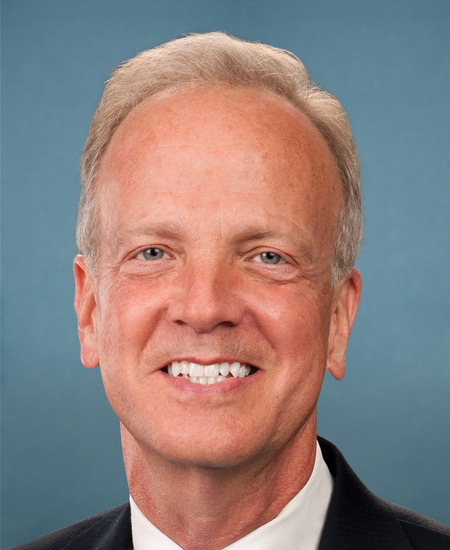
Maddy summarySRES 565 is a ceremonial Senate resolution honoring the late Representative Don Young (R-AK), who served 49 years in the U.S. House of Representatives - the longest tenure of any Alaska representative and the 45th Dean of the House. The resolution commemorates his life, service, and legacy, including his work on landmark legislation like the Trans-Alaska Pipeline authorization and the Alaska Native Claims Settlement Act. It contains no policy changes or new laws; instead, it directs the Senate to mourn his passing, honor his bipartisan service, and transmit a copy to his family. This is a purely symbolic resolution with no direct impact on constituents or legislation.
Sponsored bills
Reinforcing Enhanced Support through Promoting Equity for Caregivers Act of 2022 or the RESPECT Act of 2022 This bill implements various changes to the Program of Comprehensive Assistance for Family Caregivers, including by expanding program eligibility to family caregivers of veterans who are in need of personal care services due to a diagnosed mental illness or history of suicidal ideation within the past three years that puts the veteran at risk of self-harm.
Increasing Access to Adviser Information Act This bill excludes from investment adviser regulations any research activity performed by a broker or a dealer in line with similar foreign laws and regulations.
This resolution designates March 24, 2022, as National Women in Agriculture Day. It also recognizes the important role of women in agriculture as producers, educators, leaders, mentors, and more
Housing Supply Expansion Act This bill modifies the federal prevailing wage rates that apply to federally assisted housing and requires the Department of Labor to review and revise its process for determining prevailing wage rates. Specifically, the bill applies the prevailing wage rate for residential construction to all housing projects that receive assistance under specified federal statutes. (Under current law, the residential construction prevailing wage rate applies to the construction, alteration, or repair of single-family homes or apartment buildings up to four floors in height.)
This joint resolution nullifies the rule titled Patient Protection and Affordable Care Act; Updating Payment Parameters, Section 1332 Waiver Implementing Regulations, and Improving Health Insurance Markets for 2022 and Beyond , which was issued by the Centers for Medicare & Medicaid Services and the Department of the Treasury on September 27, 2021. The rule expands the open enrollment period for individual health coverage and rescinds the previous interpretation of certain requirements relating to Section 1332 waivers (also known as State Innovation Waivers or State Relief and Empowerment Waivers).
Military Spouse Hiring Act This bill expands the Work Opportunity Tax Credit (WOTC) to include the hiring of a qualified military spouse. (The WOTC permits employers who hire individuals who are members of a targeted group such as qualified veterans, ex-felons, or long-term unemployment recipients to claim a tax credit equal to a portion of the wages paid to those individuals.) A qualified military spouse is any individual who is certified by the designated local agency as being (as of the hiring date) a spouse of a member of the Armed Forces.
This resolution celebrates the successes of American Indian, Alaska Native, and Native Hawaiian women and the contributions they have made in the United States. The resolution also recognizes the importance of supporting equity, providing safety, and upholding the interests of these women.
Human Trafficking Online Research Act This bill directs the National Science Foundation to support merit-reviewed and competitively awarded research on the impact of online social media platforms on the maintenance or expansion of human trafficking.
Employee Rights Act This bill makes various changes with respect to the collective bargaining process and labor relations. For example, the bill permits an employer to refuse to collectively bargain with a union within 90 days prior to the expiration of a collective bargaining agreement if the employer receives evidence that the majority of the employees in the bargaining unit do not support the union. The bill requires support from a majority of the employees in the bargaining unit (not just a majority of the employees voting) when electing union representation. The bill also requires unions to provide bargaining unit employees with the right to vote by secret ballot, including when voting whether to engage in a strike or refusal to work. Further, union dues, fees, assessments, and other contributions may be used for only collective bargaining or contract administrative functions. Additionally, the bill establishes a process for nullifying executive orders that the Office of Management and Budget determines are likely to result in an employer ordering a plant closure or mass layoff.