

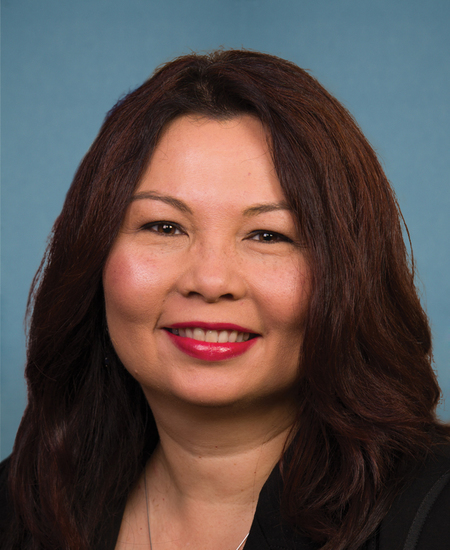
Maddy summaryS 3768 (ABODE Act) creates a HUD grant program for developers to build or rehabilitate affordable homes for households earning no more than 50% of area median income. Grants require projects to reduce development costs while meeting specific energy efficiency, resiliency, and accessibility standards - particularly for people with disabilities. Priority is given to projects in areas with severe housing shortages or using universal design. HUD must report to Congress within two years on funded projects, home pricing, and cost savings from the efficiency measures.
Sponsored bills
This resolution supports the designation of 2026 as the International Year of the Woman Farmer and recognizes the critical role of women in agriculture. The resolution also encourages citizens to celebrate the impact these women have on the food systems and agricultural workforce of the United States by encouraging and empowering women to pursue careers in agriculture and cultivate leadership opportunities.
Maddy summarySRES 591 is a ceremonial Senate resolution recognizing the 30th anniversary of the first flight of the F/A-18E1 Super Hornet from Lambert Field in St. Louis (November 29, 1995) and honoring 30 years of service to the U.S. Navy and allied forces. It does not create new laws or affect any specific individuals or groups; instead, it formally acknowledges the aircraft's historical significance and contributions to national security. The resolution directs the Senate Secretary to send a copy to the National Museum of Transportation in St. Louis, where the original F/A-18E1 is displayed. This is purely symbolic, with no policy changes or funding impacts.
Maddy summaryThis bill requires health insurance plans to cover mental health and substance use disorder services without copays, deductibles, or other out-of-pocket costs for pregnant and postpartum individuals. It applies to in-network providers and includes telehealth services, covering care from pregnancy diagnosis through the first year after birth. The law takes effect for plan years beginning two years after enactment. It directly affects individuals enrolled in employer-sponsored or individual health insurance plans who need mental health support during pregnancy and the postpartum period.
Maddy summaryThe BRIDGE Act creates a new federal grant program to fund the maintenance, replacement, or rehabilitation of commuter rail bridges used by public transit systems. Public transportation agencies can apply for these competitive grants, which require a bridge access agreement with bridge owners if the agency doesn’t own the bridge. Grants cover eligible capital costs based on the bridge’s projected use and are subject to factors like bridge condition and priority in transit planning. The program is authorized to spend $1.5 billion annually from 2027 through 2031.
Maddy summaryThe Dignity for Detained Immigrants Act establishes new standards for facilities detaining immigrants under DHS custody, requiring compliance with minimum protections based on American Bar Association standards. It mandates annual unannounced inspections by the DHS Inspector General with public reporting of findings, creates a detailed public database of all detention facilities, and phases out private detention facilities within 3 years. The bill prohibits solitary confinement, requires access to legal orientation and counsel for detainees, and changes detention procedures to require more frequent hearings with a presumption of release for most detainees. These changes directly affect immigrants in DHS custody, DHS facilities, and private contractors operating detention facilities.
Maddy summarySRES 585 is a commemorative resolution honoring Ben Nighthorse Campbell, a former U.S. Senator from Colorado and the first Native American to chair the Senate Committee on Indian Affairs. It recognizes his military service, Olympic judo career, legislative work (including authoring the National Museum of the American Indian Act), and advocacy for tribal communities. The resolution has no policy impact - it formally expresses the Senate’s respect for his legacy, requests transmission to his family, and directs a moment of silence. It directly affects Campbell’s legacy and family, not any current policy or population. (Note: This is a procedural resolution, not a bill with legislative provisions.)
Maddy summarySRES 519 is a symbolic Senate resolution honoring the 50th anniversary of the AH-64 Apache attack helicopter's first flight. It recognizes the Apache's role in U.S. and allied national defense, highlighting its 5.2 million flight hours (including 1.3 million combat hours) across conflicts like Desert Storm and Inherent Resolve. The resolution specifically honors U.S. Army aviators, maintainers, and support personnel who operate and sustain the Apache, and directs a copy to the Army Aviation Center at Fort Rucker, Alabama. As a non-binding resolution, it has no policy or funding impact but formally acknowledges the helicopter's military contributions and personnel dedication.
Maddy summaryThis bill amends federal law to prevent the President from nominating current or former political appointees as Inspectors General (IGs). It directly affects the appointment process for all federal agency IG positions by barring nominations of individuals serving as political appointees under the current President or who previously held such roles. The key provision states that the IG position itself cannot be considered a political appointee, ensuring the role remains non-partisan. This change aims to strengthen IG independence by removing potential political influence in their selection.
Maddy summaryS 3665, the Passenger Rail Crew Protection Act, makes it a federal crime to assault or intimidate crew members on passenger trains, platforms, or in rail stations. It directly affects railroad workers (including engineers, conductors, and safety personnel) and passengers who threaten them, defining "dangerous weapon" to include items like pocket knives under 2.5 inches and box cutters. The law prohibits actions that interfere with crew duties or reduce their ability to perform them, with penalties of up to 8 years in prison for basic offenses and up to 20 years if a dangerous weapon is used. This bill establishes clear legal protections for rail crew members during their work, focusing on preventing physical threats that could compromise safety.