

Maddy summarySRES 404 is a ceremonial resolution designating October 4, 2023, as "Energy Efficiency Day" to recognize the economic and environmental benefits of existing energy efficiency policies and private sector innovation. It does not create new laws, funding, or requirements - it simply urges the public to observe the day with activities celebrating achievements like $800 billion in annual energy cost savings and a 50% reduction in energy use in federal facilities since the 1970s. The resolution references bipartisan energy efficiency policies enacted since the 1970s (e.g., the Energy Policy Act of 1992 and the Energy Act of 2020) but does not alter them. As a non-binding observance, it directly affects no individuals or entities and serves only to acknowledge past progress.
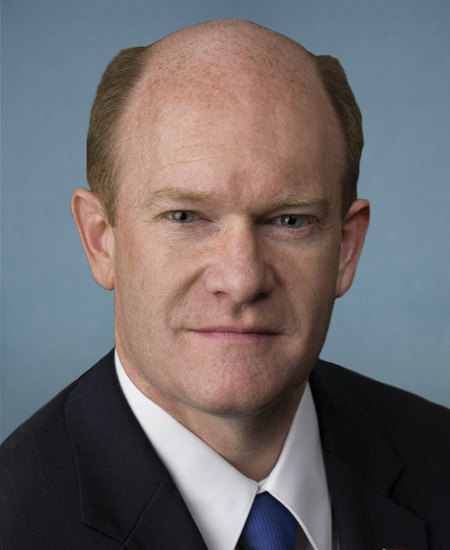
Sen. Christopher A. Coons
Sponsored bills
Maddy summarySRES 394 is a Senate resolution introduced on October 3, 2023, honoring the late James L. Buckley, a former U.S. Senator from New York (1971-1977) who died in 2023. The resolution expresses the Senate's sorrow at his passing and directs the Senate to communicate the resolution to the House of Representatives and Buckley's family, while calling for an immediate adjournment in his memory. This ceremonial resolution does not create new laws or affect any policies, as it solely serves to commemorate Buckley's life and legacy.
Maddy summaryThe PREEMIE Reauthorization Act of 2023 extends federal funding for research and care related to preterm births and low birthweight infants through fiscal years 2024-2028, replacing previous funding periods. It updates existing programs to include screening for and treatment of chronic conditions in infant care and requires the Health and Human Services Secretary to establish an interagency working group within 18 months. The bill mandates a National Academies study to assess financial costs of preterm birth (including neonatal ICU stays and long-term family expenses), factors influencing birth rates, gaps in public health support, and research strategies for prevention, with a final report due within 24 months. This legislation directly affects federal health agencies, healthcare providers, and families caring for preterm infants by advancing evidence-based improvements in care.
Maddy summaryThis bill modifies the U.S. International Development Finance Corporation's (DFC) authority to enhance its role in global development and U.S. strategic interests. It expands the DFC's ability to provide equity financing (not just loans or insurance) for projects, adjusts budgetary treatment to avoid federal credit reform rules, and increases the maximum contingent liability cap from $60 billion to $100 billion. The changes directly affect DFC-funded projects, particularly those involving private sector investments in developing countries, including fragile or conflict-affected states. It also requires the DFC to submit a 180-day plan detailing how it will expand financing for U.S. national security and development priorities.
Maddy summaryThis bill requires federal agencies to adjust contract prices for contractors who suspended work due to government shutdowns (lapses in appropriations). It mandates that contractors receive reimbursement for reasonable costs incurred to pay furloughed or laid-off employees their standard wages during the shutdown, or to restore paid leave used during the shutdown. The reimbursement is capped at $1,442 per week (pro-rated for part-time work) and must be documented by contractors. It directly affects federal contractors and their employees who experienced pay disruptions during the 2023-2024 government shutdowns.
Maddy summaryThe SHOP SAFE Act of 2023 holds online marketplaces (like Amazon or eBay) financially responsible if third-party sellers on their platforms sell counterfeit products that pose health or safety risks, such as unsafe consumer goods. To avoid liability, platforms must implement specific, free measures: verify seller identities, proactively screen listings for counterfeits, quickly remove suspicious items, and terminate sellers who repeatedly sell fake products. The law applies to platforms with $500,000+ in annual sales or smaller platforms after receiving 10 verified counterfeit notices. It defines "health-safety-implicating goods" as products that could cause harm if not made to safety standards (e.g., faulty electronics or unsafe toys). The bill aims to shift accountability to platforms for counterfeit sales that endanger consumers, without restricting other trademark protections.
Maddy summaryThis joint resolution commemorates the fifth anniversary of the murder of Saudi journalist Jamal Khashoggi, who was killed in 2018 at the Saudi consulate in Istanbul. It calls on the Saudi government to ensure accountability for those responsible for his death, release individuals wrongfully detained (including activists and dissidents), lift travel bans on critics, and respect freedoms of assembly and expression. The resolution notes that the U.S. has already sanctioned 17 Saudi officials under the Global Magnitsky Act for their role in the murder. As a non-binding resolution, it urges the executive branch to pursue these actions without creating new legal obligations.
Maddy summarySRES 388 is a ceremonial Senate resolution designating the week of September 25-29, 2023, as "National Clean Energy Week." It does not create new laws or programs but formally recognizes the importance of clean energy through symbolic designation. The resolution encourages individuals, organizations, and governments to support clean energy solutions and invest in affordable, low-emission technologies. It highlights the clean energy sector’s role in job creation (citing 8.1 million U.S. jobs in 2022) and economic growth without imposing any new requirements.
Maddy summaryThis resolution designates September 25-29, 2023, as "National Hazing Awareness Week" to highlight hazing prevention efforts. It does not create new laws or policies but formally recognizes the issue and encourages public awareness. The Senate emphasizes that hazing prevention requires ongoing commitment beyond a single week, urging communities to promote safety and well-being. It directly affects the general public, educational institutions, and campus communities by raising visibility for a longstanding concern.
Maddy summaryThis bill (S 2982) mandates a study by the Government Accountability Office (GAO) into online sales of fentanyl and methamphetamine. The GAO must examine business models used by illicit sellers, how financial transactions occur via online platforms (especially impacting users under 18), federal and state government collaboration efforts, and how platforms detect and report drug sales. The study will analyze enforcement processes, referral patterns to law enforcement, and identify gaps in current efforts. The GAO must submit a report to Congress within one year of the bill's enactment. This is a procedural study bill with no immediate policy changes or direct impact on citizens or businesses.