

Maddy summaryThe Price Gouging Prevention Act of 2025 makes it unlawful for businesses to sell goods or services at grossly excessive prices during exceptional market shocks like natural disasters, public health emergencies, or other major disruptions. The bill establishes specific thresholds (such as $100 million in annual revenue for small businesses) and requires businesses to demonstrate that price increases were due to uncontrollable costs, rather than exploiting market conditions. It creates a presumption of violation for businesses with "unfair leverage" (defined as having significant market dominance or revenue), and requires companies to disclose pricing strategies in SEC filings during market shocks. The Federal Trade Commission and state attorneys general would enforce the law, with civil penalties up to 5% of a company's revenue. The law includes annual inflation adjustments for certain financial thresholds starting in 2026.
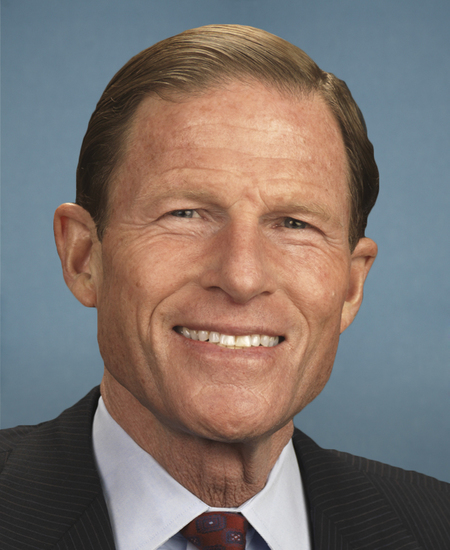
Sponsored bills
Maddy summaryThis bill establishes new requirements for food additives to be deemed "generally recognized as safe" (GRAS) under FDA oversight. Manufacturers must now submit detailed safety data - including evidence showing no carcinogenicity, reproductive toxicity, or developmental toxicity - to the FDA for review, replacing the previous reliance on historical use. The FDA must publicly post submissions, allow 60 days for public comment, and issue written determinations within a set timeline. Additionally, the bill mandates the FDA to reassess the safety of at least 10 food substances every three years, prioritizing those under existing petitions or regulations. It directly affects food manufacturers and the FDA, creating a more rigorous, evidence-based process for food additive safety.
Maddy summaryThis bill requires the Department of Homeland Security (DHS) to keep all personal information from DACA applications confidential. It prohibits sharing this data with U.S. Immigration and Customs Enforcement (ICE), U.S. Customs and Border Protection (CBP), or state/local law enforcement for any purpose other than administering the DACA program. Limited exceptions allow sharing only to prevent fraud, address specific national security threats, or investigate felonies unrelated to immigration status. The law directly protects DACA applicants and recipients by preventing their personal details from being used against them by law enforcement.
Maddy summaryThis bill creates a public database of residential appraisal data to increase transparency in mortgage lending. It requires major mortgage agencies (Fannie Mae, Freddie Mac, FHA, USDA, VA) to share appraisal data with the Federal Housing Finance Agency, including property details, appraisal methods, and borrower demographics like race and ethnicity. The data will be made publicly available in searchable formats to help identify potential issues in how appraisals are conducted across different communities. It also establishes a process for borrowers to request a review of an appraisal they believe is inaccurate or reflects discrimination.
Maddy summaryThis bill creates a federal grant program to help schools recruit and retain paraprofessionals - school support staff like teaching assistants - who work directly with students but lack full teaching credentials. It allocates funds to states based on prior Title I education funding, requiring states to prioritize schools serving high numbers of low-income students or designated "high-need" schools. Funds can be used for mentoring programs, professional development, credentialing (like special education or English learner certificates), and wage increases or bonuses for paraprofessionals. The program mandates annual reporting on wage baselines, paraprofessional numbers, and how funds were used to address shortages.
Maddy summaryThis Senate concurrent resolution (SCONRES 18) expresses Congress's view that Trump administration policies - such as expanding fossil fuel extraction, blocking renewable energy, and suppressing climate science - create a health and safety emergency disproportionately harming children. It specifically criticizes executive orders that increase greenhouse gas emissions, weaken environmental protections, and restrict access to climate data, citing scientific evidence linking these actions to worsened air quality, extreme weather impacts, and long-term health risks for children. The resolution demands the administration reverse these policies, restore the EPA’s mission, and publicly republish climate science data. As a symbolic congressional statement, it does not change law but aims to highlight the disproportionate impact on children’s fundamental rights and health.
Maddy summarySRES 324 is a non-binding Senate resolution expressing concern over actions taken by the Trump Administration. It criticizes policies that drastically reduced federal agency staff, froze critical funding, and dismantled agencies, stating these actions harm communities and raise costs for families. The resolution specifically highlights impacts on programs serving 32 million patients through health centers, Social Security/Medicare access, veterans' services, small business support, and medical research. It does not create new policy but formally states the Senate’s view that these actions are destructive and harmful. The resolution lists 12 specific areas affected, including housing assistance, disability education programs, and foreign aid reductions.
Maddy summaryS 2298, the Asunción Valdivia Heat Illness, Injury, and Fatality Prevention Act of 2025, requires employers to prevent heat-related harm to workers. It mandates the Secretary of Labor to create binding standards within one year of enactment, including requirements for employers to provide cool water, scheduled rest breaks, shade, heat illness training, and engineering controls (like ventilation) to reduce heat exposure. These standards directly affect workers in high-heat occupations (e.g., construction, agriculture) and their employers, who must implement specific protective measures like hydration plans, cooling equipment, and supervisor training on recognizing heat illness symptoms. The bill also includes whistleblower protections for workers reporting safety violations and requires ongoing data collection to assess the standards' effectiveness.
Maddy summaryThe Resilient Transit Act of 2025 (S 2299) creates federal grants to help state and local governments improve public transportation systems' resilience against climate impacts like flooding, wildfires, and extreme weather. It funds specific activities such as flood barriers, backup power systems, temperature monitoring, and vulnerability assessments for transit infrastructure. Grants prioritize projects benefiting environmental justice communities, medically underserved areas, and neighborhoods with high poverty or unemployment rates, as defined by the bill. The legislation authorizes $4.15 billion for these grants in fiscal year 2025, requiring annual reports to Congress on funded projects and their community impact.
Maddy summaryThis bill restricts donations to presidential libraries and centers by prohibiting contributions from certain categories of donors, including registered lobbyists, foreign nationals, federal contractors, and individuals seeking pardons, during a president's term and for two years after leaving office. It also sets a $10,000 annual limit on individual donations (adjusted for inflation) and requires libraries to report all donations over $200, including donor details, to the National Archives. Donations must be reported quarterly, with reports published online for public access. The bill aims to increase transparency and prevent potential conflicts of interest in fundraising for these institutions.