

Maddy summaryThis bill establishes rules for temporary immigration judges who handle cases while permanent judges are appointed. It allows the Attorney General to appoint former immigration judges, Board members, or attorneys with 10+ years of immigration law experience for up to 6-month terms (renewable for a maximum of 4 terms, or 24 months total). Temporary judges must complete 8 weeks of initial training plus weekly 1-day sessions unless recently retired (within 2 years), and their work is overseen by the Chief Immigration Judge. The law emphasizes that temporary judges should not replace permanent judges and requires them to have deep expertise in U.S. immigration law.
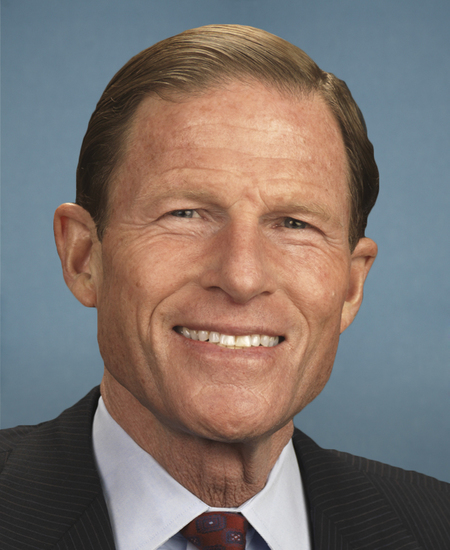
Sen. Richard Blumenthal
Sponsored bills
Maddy summaryS 3302, the Mikaela Naylon Give Kids a Chance Act of 2025, requires drug manufacturers developing cancer treatments to conduct pediatric-focused research for certain drugs targeting pediatric cancer mechanisms. It amends FDA drug approval processes to mandate molecularly targeted pediatric cancer investigations for drugs with new active ingredients or specific approved combinations, ensuring studies address dosing, safety, and efficacy for children. The bill also extends priority review vouchers (which expedite FDA reviews) for rare pediatric disease treatments until 2030 and mandates GAO studies to evaluate how effectively these incentives spur new pediatric cancer drug development. These changes apply to new drug applications submitted three years after the law's enactment, with reports due to Congress at 6, 8, and 10 years.
Maddy summaryThis bill reorganizes procedural rules for Inspector General (IG) investigations within the Department of Justice (DOJ). It removes specific language that previously restricted IG access to certain allegations involving DOJ personnel, streamlining the investigation process. The key change eliminates an exception clause in existing law, allowing IGs to investigate all DOJ personnel allegations without that prior limitation. This affects how DOJ investigations are conducted but does not create new policies or change substantive rights. (Procedural bill; summary focuses on specific legal reorganization.)
Maddy summaryThe Roadless Area Conservation Act of 2025 would maintain existing protections for designated roadless areas within the National Forest System by prohibiting new road construction, reconstruction, or logging in those areas. It directly affects National Forest lands managed by the U.S. Department of Agriculture’s Forest Service, where the Roadless Rule already restricts such activities. The bill’s key mechanism requires the Secretary of Agriculture to enforce these current restrictions without adding new limitations. This policy change preserves existing protections for watersheds, wildlife habitats, recreation opportunities, and culturally significant sites within these roadless areas.
Maddy summaryThe ADOPT Act of 2025 creates federal criminal penalties for unlicensed individuals or entities providing adoption intermediary services (like connecting birth parents with adoptive parents for profit) or placing paid "adoption advertisements" that solicit parties for placement. It prohibits payments exceeding $2,500 to birth parents before consulting a licensed agency or attorney, aiming to prevent exploitation and the commodification of children in private domestic adoptions. The law directly affects unlicensed intermediaries and commercial facilitators, while exempting licensed adoption agencies, attorneys, 501(c)(3) organizations under contract with them, and intercountry adoption programs. Violations carry fines up to $50,000 or 5 years in prison for individuals, and $100,000 for organizations per offense.
Maddy summaryThis bill increases disability compensation for veterans with service-connected disabilities and dependency and indemnity compensation for surviving spouses and children of deceased veterans, effective December 1, 2025. The increases will match the percentage rise in Social Security benefits for that year, as determined under the Social Security Act. It directly affects veterans receiving disability payments and surviving family members eligible for survivor benefits under current law. The adjustment ensures these benefits keep pace with inflation, as required by the Social Security cost-of-living adjustment formula.
Maddy summarySRES 513 is a non-binding Senate resolution designating November 22, 2025, as National Adoption Day and all of November 2025 as National Adoption Month. It aims to promote public awareness of adoption, particularly for children in foster care awaiting permanent families, and encourages Americans to support adoption efforts. The resolution directly affects the public, adoption agencies, and foster care systems by formally recognizing these dates for nationwide awareness campaigns. It does not create new laws or policies but seeks to highlight existing adoption opportunities and the need for stable homes for children.
Maddy summaryThis resolution (SRES 511) is a symbolic Senate measure supporting Transgender Day of Remembrance. It recognizes the epidemic of violence against transgender people in the U.S., specifically memorializing 27 transgender or gender nonconforming individuals killed between October 2024 and September 2025. The resolution emphasizes the disproportionate impact of violence on transgender women of color and calls for addressing this crisis, though it does not create new laws or policies. It directly affects the transgender community by affirming their lives and safety as a national priority.
Maddy summaryThis bill amends the Older Americans Act to integrate "food is medicine" programs into existing nutrition services for older adults. It adds specific references to produce prescriptions, medically tailored meals, and community-based food programs in eligibility screening, caregiver support, and nutrition counseling. The key change requires programs to include referrals to these food-based interventions as part of standard service delivery. This directly affects older Americans receiving nutrition services under the Older Americans Act by expanding available support options through existing federal and community programs.
Maddy summaryThe Healthy MOM Act (S 3274) would require health insurance plans to provide a special enrollment period for pregnant individuals beginning when pregnancy is reported to the insurer. It mandates that group health plans cover maternity care for dependents regardless of age, including labor and delivery, and extends Medicaid eligibility during pregnancy and postpartum. The bill requires 12 months of continuous coverage for pregnant and postpartum individuals under Medicaid and CHIP, replacing the current 60-day postpartum coverage period. These provisions aim to improve access to maternity care for women, particularly those from communities disproportionately affected by maternal mortality, such as Black and American Indian/Alaska Native women. The changes would apply to plan years beginning January 1, 2027, with some provisions having earlier effective dates for certain programs.