

Maddy summarySJRES 71 is a congressional resolution seeking to block an Environmental Protection Agency (EPA) rule that set emissions standards for the oil and natural gas sector. It directly targets the EPA's "Standards of Performance for New, Reconstructed, and Modified Sources" rule, which was published in the Federal Register on March 8, 2024. The resolution uses a specific disapproval process under federal law to declare the EPA rule "shall have no force or effect." This is a procedural action to overturn an existing regulation, not a new policy.
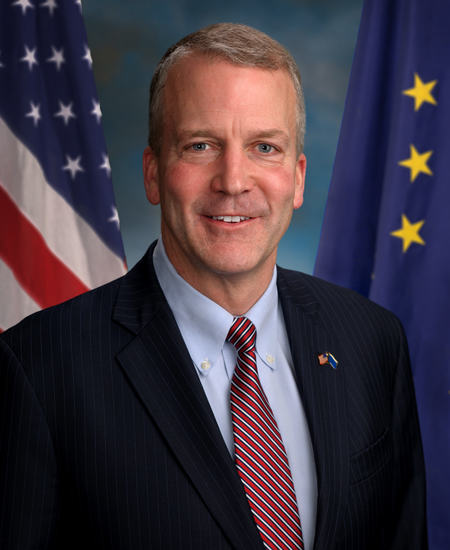
Sen. Dan Sullivan
Sponsored bills
Maddy summaryThe FEND Off Fentanyl Act authorizes sanctions against foreign individuals and entities involved in trafficking fentanyl and its precursors into the United States, with specific focus on transnational criminal organizations like Mexican cartels and the flow of precursor chemicals from China. It requires the President to submit annual reports to Congress on actions taken under the law and designates fentanyl-related transactions as a primary money laundering concern for financial institutions. The bill also repeals a prohibition on imposing sanctions related to importation of goods under previous fentanyl sanctions law. It aims to increase financial costs for traffickers by blocking assets and prohibiting transactions involving sanctioned persons.
Maddy summaryThis bill amends the North Pacific Research Board's structure and funding rules. It adds a new board member position representing Alaska Natives with subsistence experience, requiring nomination by the Board and appointment by the Secretary. The bill removes a previous 15% cap on administrative funding for the Board, allowing all funds to support research and grants, but mandates that by 5 years after enactment, no more than 15% of funds can cover Board support and grant administration. The changes aim to increase research funding focus and ensure high-quality grant management.
Maddy summarySRES 597 is a Senate resolution recognizing the heritage, culture, and contributions of American Indian, Alaska Native, and Native Hawaiian women. It formally celebrates their historical and ongoing achievements in fields like military service, business ownership, healthcare, science, arts, and civil rights, without creating new laws or policies. The resolution highlights specific examples, such as their roles in the military (including veterans and pioneers like Minnie Spotted Wolf), economic contributions (e.g., over 160,000 businesses owned by Native women), and cultural preservation efforts. As a symbolic gesture, it does not provide funding or mandate action but aims to honor these women's impact on U.S. society.
Maddy summaryThe Telehealth Modernization Act makes permanent Medicare's temporary telehealth coverage rules that were set to expire in 2024, ensuring continued access for beneficiaries. It expands eligibility for healthcare providers who can offer telehealth services under Medicare, allowing the Secretary to add more professions (like nurse practitioners or therapists) after stakeholder consultation. The bill also changes payment rules for community health centers and rural clinics, treating telehealth services provided after 2025 as if delivered in person for billing purposes. Additionally, it permanently allows audio-only telehealth visits for Medicare coverage, removing previous restrictions.
Maddy summaryThe Recycling Infrastructure and Accessibility Act of 2024 establishes a federal pilot grant program to improve recycling access in underserved communities. It authorizes $30 million annually (2023-2027) to fund competitive grants for eligible entities - including states, local governments, tribes, and public-private partnerships - to build transfer stations, expand curbside recycling, and create hub-and-spoke infrastructure networks. Grants range from $500,000 to $15 million per project, with 70% of funds reserved for single or multiple underserved communities lacking nearby recycling facilities. The program prohibits grant use for education and requires the EPA to report on outcomes, including recycling rate improvements, within two years of first grants.
Maddy summaryThis bill (SJRES 64) seeks to block a Federal Communications Commission (FCC) rule published in the Federal Register (89 Fed. Reg. 4128, January 22, 2024) that implements provisions from the Infrastructure Investment and Jobs Act related to preventing digital discrimination. It requests Congress disapprove the rule under Chapter 8 of Title 5, U.S. Code, which would prevent the rule from taking effect. The resolution directly affects the FCC's ability to enforce digital discrimination prevention measures under the Infrastructure Investment and Jobs Act. If passed, the rule would have no legal force or effect, halting the FCC's regulatory action on this specific issue.
Maddy summaryThis joint resolution (SJRES 65) seeks to disapprove an Environmental Protection Agency (EPA) rule that would have revised national air quality standards for tiny air particles (particulate matter), which are pollutants linked to health issues like asthma and heart disease. The EPA rule, published on March 6, 2024, proposed updating these standards to tighten pollution limits. By invoking the Congressional Review Act, the resolution would block the rule from taking effect, maintaining the current standards without changes. This directly affects the EPA’s ability to implement the proposed revisions to air quality regulations, impacting public health protections and industry compliance requirements.
Maddy summaryS 3963, the Native Species Protection Act, defines "intrastate species" as plants or wildlife entirely within one state's borders and not part of a national commodity market. It removes federal regulatory authority for these species under the Endangered Species Act and other federal laws based on interstate commerce powers. This directly affects state governments and landowners within states containing such species, shifting management responsibility to state authorities. The bill changes federal policy by explicitly exempting these locally confined species from federal environmental regulations.
Maddy summaryS 3929 prohibits the Secretary of Agriculture from implementing a specific Forest Service notice (88 Fed. Reg. 88042, December 20, 2023) that proposed land management actions for old-growth forest conditions across National Forest System lands. The bill directly affects the Department of Agriculture's management authority over federal forest lands by blocking the adoption of this particular plan direction. It does not create new policy but prevents the executive branch from moving forward with the proposed actions outlined in that specific notice. The bill's effect is limited to halting this one administrative step related to old-growth forest management.