

Maddy summaryHR 2222, the "Lowering Egg Prices Act of 2025," modifies federal egg regulations to allow surplus broiler hatching eggs (used to hatch chicks for meat production) to be sold to egg breakers (facilities that process whole eggs into liquid products). The bill directs the FDA and USDA to create new rules within 180 days permitting these eggs to be stored under conditions compatible with hatching while also being sold for processing into liquid egg products. This change aims to increase the supply of eggs available for processing by making it easier to redirect surplus hatching eggs to egg breakers. The bill directly affects broiler hatcheries, egg breakers, and the broader egg processing industry by altering how certain surplus eggs can be handled and sold.
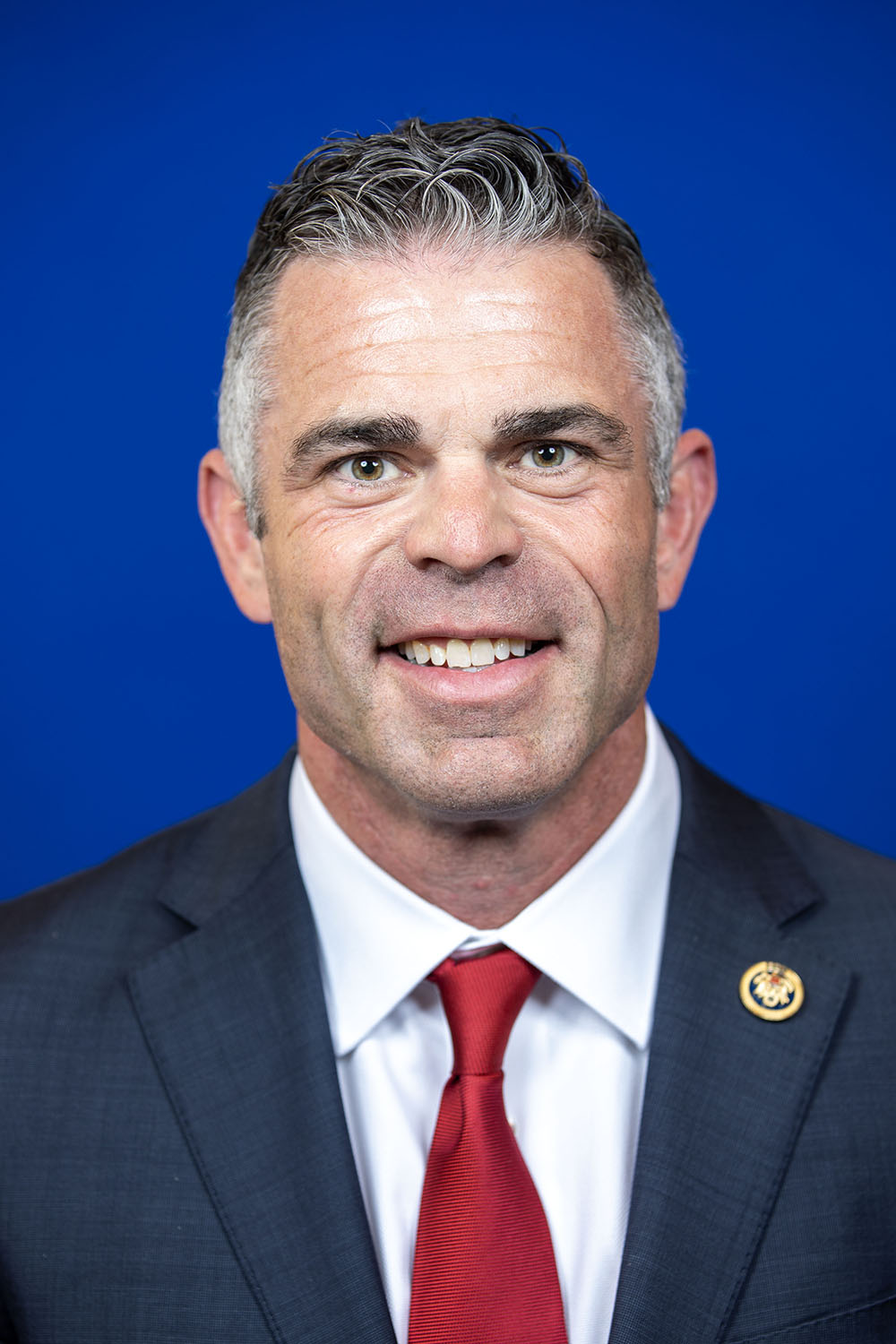
Rep. Tony Wied
Sponsored bills
Maddy summaryHR 2146 creates a refund process for businesses that paid tax on certain dyed diesel fuel or kerosene later determined to be exempt from tax under the Internal Revenue Code. Specifically, it allows businesses to receive a refund equal to tax paid under Section 4081 for "eligible indelibly dyed" fuels that are exempt under Section 4082(a). The bill amends tax code provisions to treat these refunds like standard tax credits, requiring the IRS to process them without interest. This applies to fuel removed from terminals 180 days after the bill’s enactment. It directly affects fuel distributors and retailers who previously paid tax on exempt dyed fuels.
Safe Routes Act of 2025 This bill directs the Department of Transportation to waive vehicle weight limits for covered logging vehicles, thus allowing logging vehicles to travel on interstate highways in certain circumstances. The term covered logging vehicle means a vehicle that (1) is transporting raw or unfinished forest products, including logs, pulpwood, biomass, or wood chips; (2) is traveling a distance not greater than 150 air miles on interstate highways from origin to a storage or processing facility; and (3) meets state legal weight tolerances and vehicle configurations for transporting raw or unfinished forest products within the state boundaries in which the vehicle is operating.
Maddy summaryHR 2083, the Veterans First Act of 2025, redirects $2 billion from unobligated USAID funds to the Department of Veterans Affairs. This funding provides grants to states for constructing, remodeling, or modifying state-run nursing homes and domiciliary facilities that care for veterans. The bill directly affects veterans receiving care in these state facilities and the states operating them. Key provisions include permanently rescinding $2 billion from USAID and appropriating it specifically for physical infrastructure improvements at veteran care facilities under federal authorization.
Maddy summaryHR 2039, the Protecting the Right to Keep and Bear Arms Act of 2025, prevents the President and Health Secretary from using emergency declarations (under the National Emergencies Act or Public Health Service Act) to implement gun control measures. It amends disaster relief law to explicitly prohibit future rules that would ban firearm possession, sales, or accessories during emergencies. The bill directly affects federal agencies and future emergency declarations, blocking them from being used as a tool for gun regulation. It does not change existing gun laws but restricts how emergency powers can be applied to firearms policy.
Maddy summaryThis bill increases federal funding for projects improving safety for pedestrians and cyclists. It allows states and local governments to use highway funds for connecting existing bike/pedestrian infrastructure (clause xxix) or reducing safety risks to vulnerable road users (clause xxx), with federal funding covering up to 100% of costs for these projects. The bill also creates flexible financing options, letting local safety plans (like Complete Streets or Vision Zero plans) count toward required local funding shares. It directly affects state transportation agencies and local governments administering federal highway safety programs. The key change is making 100% federal funding available for qualifying pedestrian and cyclist safety projects.
Maddy summaryHRES 189 is a procedural resolution censuring Representative Al Green (D-TX) for disrupting a joint session of Congress on March 4, 2025, when he interrupted the President's address. The resolution states his conduct breached proper decorum, leading to his removal by the Sergeant at Arms. It mandates Green to appear in the House chamber for the public pronouncement of censure, with the resolution to be read aloud by the Speaker. This is a formal disciplinary action by the House, not a policy change affecting constituents or legislation.
Maddy summaryHR 471, the Fix Our Forests Act, establishes a new system for identifying and managing high-risk wildfire areas called "firesheds" and creates a centralized Fireshed Center to coordinate wildfire risk management across federal agencies. The bill streamlines environmental reviews for wildfire risk reduction projects, allowing for faster implementation of hazardous fuels management activities in designated areas. It includes provisions for community wildfire risk reduction programs, water source protection, and specific initiatives for restoring white oak forests. The legislation also includes litigation reforms to expedite forest management projects and reduce delays from legal challenges. These provisions aim to reduce wildfire risk and improve forest health through more coordinated, data-driven management approaches.
Maddy summaryThe LIONs Act of 2025 increases the maximum loan amounts available through two key Small Business Administration (SBA) programs. It raises the cap for standard 7(a) loans from $3.75 million to $7.5 million (with a $10 million ceiling), and doubles the maximum for development company loans from $5 million to $10 million. This bill directly affects small businesses seeking SBA financing for operations, expansion, or equipment, allowing them to access larger loans. The changes simplify access to capital by removing previous funding limits for qualifying businesses.
Federal Firearms Licensee Protection Act of 2025 This bill modifies criminal penalties for an offense involving the theft of a firearm from a licensed importer, manufacturer, or dealer, or from their business premises. Specifically, the bill does the following: increases from 10 to 20 years the maximum prison term, and creates a 3- or 5-year mandatory minimum prison term for an offense that occurs during the commission of a burglary or robbery. An attempt to commit an offense is subject to the same penalties as a substantive offense.