

Maddy summaryThe Community Housing Act of 2024 significantly increases federal investment in affordable housing through major funding boosts, including $44.5 billion for the Housing Trust Fund and $1.5 billion for the Capital Magnet Fund over the next decade. It repeals the Faircloth amendment, which had limited public housing construction since 1992, allowing public housing authorities to build new units without the previous cap. The bill establishes a permanent emergency rental assistance program providing $3 billion annually through 2029 to help low-income households with rent payments and creates the Unlocking Possibilities program to fund local efforts to streamline housing regulations and reduce zoning barriers. These provisions directly affect low- and moderate-income households, community land trusts, and rural communities facing housing insecurity and affordability challenges.
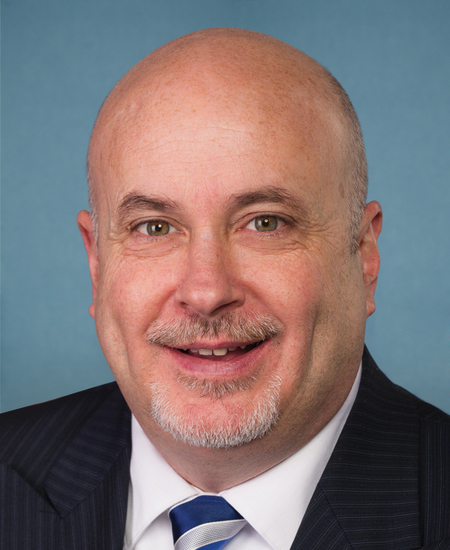
Rep. Mark Pocan
Sponsored bills
Maddy summaryThe Healthy MOM Act (HR 6716) would require health insurance plans to provide a special enrollment period for pregnant individuals beginning when pregnancy is reported to the insurer. It would mandate that group health plans cover maternity care for all dependents, including young women who might otherwise lack coverage due to plan exclusions. The bill would extend Medicaid coverage for pregnant individuals and infants to a full 12 months postpartum, rather than the current 60-day period. These provisions aim to improve access to comprehensive maternity care, which the bill states could prevent 3 in 5 pregnancy-related deaths by addressing coverage gaps that disproportionately affect women of color.
Maddy summaryThis bill adds audiology services to Medicare's covered benefits under Section 1861(s)(2)(KK), effective January 1, 2025. It allows qualified audiologists to provide hearing and balance assessments and diagnostic/treatment services without requiring a physician referral or supervision, directly affecting Medicare beneficiaries seeking these services and audiologists practicing under state law. Payment will be 80% of the lower of actual charge or the Medicare fee schedule. The bill does not expand the types of audiology services covered but changes how they are accessed and paid for under Medicare.
Maddy summaryHR 6407, the Medical Nutrition Therapy Act of 2023, expands Medicare coverage to include medical nutrition therapy for more chronic conditions beyond current limits. It directly affects Medicare beneficiaries with conditions like obesity, hypertension, dyslipidemia, eating disorders, and others not previously covered under Part B. The bill amends Medicare rules to allow coverage for prevention, management, or treatment of these conditions by a wider range of providers, including registered dietitians and clinical psychologists. This change would make medically necessary nutrition services available for conditions listed in the bill, such as diabetes, cardiovascular disease, and HIV, as determined by the Secretary.
Maddy summaryThe ARCC Act provides $100 million in federal funding to help apprentices and pre-apprentices in job training programs cover childcare costs. It authorizes competitive grants to 10 states, which must distribute monthly stipends of at least $500 per dependent child directly to eligible childcare providers on behalf of participants in these programs. The bill prioritizes individuals from historically underrepresented groups (based on race, ethnicity, or gender) and ensures stipends are tax-free while not affecting eligibility for other federal benefits. States must report on participation, program completion rates, and demographic data, with the Secretary later summarizing program impacts for Congress.
Maddy summaryThis bill creates a framework for states to develop their own universal health care systems by applying for waivers from certain federal health care requirements. States must demonstrate they can provide comprehensive coverage meeting or exceeding current federal standards (like Medicaid, Medicare, and CHIP) for at least 95% of residents within 5 years, with the federal government redirecting funds that would have gone to federal programs to support state systems. States must include specific protections like reproductive health care coverage and submit regular reports on coverage rates, affordability, and quality. The bill includes special provisions to protect Indian health care services and ensure they remain accessible under state plans. States that fail to meet coverage goals may face consequences, including potential termination of their waiver.
Maddy summaryHR 6063, the Empowering Striking Workers Act of 2023, modifies unemployment insurance rules to provide benefits for workers unable to work due to strikes or lockouts. It directs that unemployment compensation begins 14 days after a strike starts, or earlier if permanent replacements are hired, a lockout begins, or the dispute ends. The bill directly affects workers participating in labor disputes by making them eligible for benefits under these specific conditions, rather than requiring them to meet standard job search requirements. This change is implemented through amendments to the Internal Revenue Code and Social Security Act.
Maddy summaryThe Medicare Advantage Consumer Protection and Transparency Act requires Medicare Advantage plans to submit detailed, standardized data about supplemental benefits, healthcare services provided (encounter data), coverage denials, prior authorization requirements, quality measures, and provider networks. Plans must submit this information annually in standardized formats, with penalties of up to 10% in reduced payments for incomplete submissions. The data will be publicly reported, increasing transparency for beneficiaries and oversight officials. This law directly affects Medicare Advantage plans and beneficiaries by providing clearer information about plan offerings and performance. It focuses on concrete data collection and reporting requirements rather than altering benefit structures.
Maddy summaryHR 5744, the Energy Innovation and Carbon Dividend Act of 2023, would impose a carbon fee on fossil fuels (crude oil, coal, and natural gas) based on their greenhouse gas emissions, starting at $15 per metric ton of CO2 equivalent in 2023 and increasing by $10 annually. The revenue from this fee would be distributed directly to American citizens as monthly "carbon dividends" through a new trust fund, with adults receiving full payments and children under 19 receiving half payments. The bill also establishes a border fee adjustment on imported carbon-intensive products to prevent companies from moving operations to countries with weaker environmental regulations. It sets specific emissions reduction targets: 8% annual reductions from 2025-2030 and 2.5% annual reductions from 2031-2050 relative to 2005 levels. The carbon fee would be phased out once emissions drop to 10% of 2005 levels and monthly dividends fall below $20 for three consecutive years.
Maddy summaryThe Climate Resilience Workforce Act establishes a coordinated federal system to build a workforce for climate resilience, directly affecting workers in climate-related sectors and prioritizing frontline communities (low-income, communities of color, Tribal communities) and populations facing employment barriers (undocumented individuals, formerly incarcerated people). Key mechanisms include grant programs for state and local climate resilience planning, job creation grants requiring 40% of jobs to go to frontline communities and populations facing barriers, and minimum labor standards including $15/hour wages (increasing annually), employer-paid health insurance, and protections against discrimination. The bill creates an Office of Climate Resilience, a Climate Resilience Equity Advisory Board, and a Center for the Climate Resilience Workforce to define climate resilience sectors and ensure equitable hiring practices. It also removes employment barriers through immigration status protections, criminal record reforms, and drug testing policy changes for climate resilience workers.