

Maddy summaryThe BARK Act of 2025 protects donors, nonprofits, and local/government entities from liability when donating "apparently fit" pet food or supplies in good faith to help animals. It shields them from lawsuits related to minor issues like appearance, age, or packaging, as long as the items meet basic safety standards and aren’t defective. Donors must inform recipients about any flaws, and recipients must agree to recondition items to meet standards before distribution. This law does not cover cases of gross negligence or intentional harm, and it doesn’t override existing health regulations. The bill directly affects pet food donors, shelters, and animal welfare programs by reducing legal barriers to sharing surplus supplies.
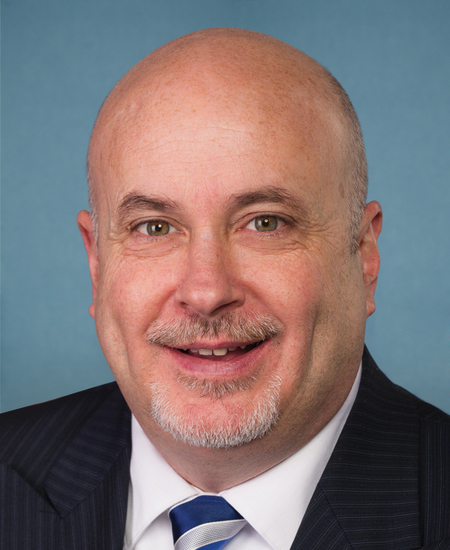
Rep. Mark Pocan
Sponsored bills
Maddy summaryThis bill repeals key provisions of the Protection of Lawful Commerce in Arms Act (PLCAA), which previously shielded gun manufacturers and dealers from civil lawsuits. It allows gun trace data from the federal Firearms Trace System to be used as evidence in civil court cases involving gun violence. Victims of gun violence (or their families) who sue gun manufacturers, dealers, or distributors in state or federal court can now access and rely on this trace information. The bill directly changes the legal landscape by removing a major barrier to holding gun industry entities accountable in civil cases. It does not alter criminal proceedings or affect gun ownership rights.
Maddy summaryThis resolution (HRES 457) is a symbolic measure expressing congressional support for designating June 6, 2025, as "National Gun Violence Awareness Day" and June 2025 as "National Gun Violence Awareness Month." It does not create new laws or policies but encourages public awareness through specific actions: wearing orange on June 6, focusing on gun safety during summer months, and holding community discussions. The resolution references statistics on gun violence deaths and honors Hadiya Pendleton, a teen victim killed in 2013. It directly affects the public by calling for voluntary observance and community engagement, not government mandates.
Maddy summaryHR 3698, the Living Organ Donor Tax Credit Act, creates a federal tax credit for living individuals who donate specific life-saving organs (like kidneys, livers, or bone marrow) for transplantation. It allows donors to claim a credit covering unreimbursed medical costs, travel, lodging, follow-up care, paperwork, and lost wages related to donation, capped at $5,000 per tax year. The credit applies only to living donors whose organ removal and transplantation comply with U.S. law, excludes reimbursed expenses, and does not apply to deceased donors. This bill directly affects living organ donors who bear out-of-pocket costs during the donation process.
Maddy summaryHR 3623, the Horse Transportation Safety Act of 2025, prohibits transporting horses between states in motor vehicles with two or more stacked levels. This directly affects horse transporters, including owners and carriers moving horses across state lines. The bill defines "motor vehicle" to exclude rail vehicles but requires compliance with the multi-level ban, imposing civil penalties of $100-$500 per horse transported in violation. Violations are enforced through separate penalties for each horse transported illegally, in addition to other applicable laws.
Maddy summaryThis non-binding resolution (HRES 456) expresses congressional support for designating May 2025 as "Progressive Supranuclear Palsy Awareness Month." It directly affects individuals living with progressive supranuclear palsy (PSP), a rare neurodegenerative brain disorder impacting movement, cognition, and daily functioning, along with their families and caregivers. The resolution aims to raise public awareness, encourage research funding, and support organizations working to improve care and find treatments for PSP. It does not create new laws or funding but formally recognizes the need for greater attention to this condition.
Maddy summaryThe Menstrual Equity For All Act of 2025 requires schools, colleges, correctional facilities, and federal buildings to provide free menstrual products to those who need them. It makes menstrual products covered by Medicaid, prohibits states from taxing these products, and creates grant programs to support low-income individuals. Key provisions include mandating free products in educational settings, requiring employers with 100+ employees to provide them, and expanding Medicaid coverage for these items. The bill directly affects students, incarcerated individuals, homeless people, Medicaid beneficiaries, and low-income families by addressing period poverty through concrete access requirements.
Maddy summaryThis bill reorganizes collective bargaining rules for Veterans Health Administration (VHA) employees by removing existing subsections (b), (c), and (d) from Section 7422 of Title 38 and redesignating the current subsection (e) as (b). It directly affects VA health care employees by altering the structure of their collective bargaining framework. The bill explicitly states it does not change the Secretary of Veterans Affairs' existing authorities over incentive pay or expedited hiring under Section 706 of Title 38. The change is purely procedural, focusing on the internal organization of bargaining rules without introducing new employee benefits or obligations.
Maddy summaryHRES 445 is a non-binding resolution designating May as "Sex Ed For All Month" to promote comprehensive sex education. It urges public officials, schools, and health organizations to prioritize evidence-based programs that address racial and gender inequities, reduce unintended pregnancies and STIs, and support all young people - including LGBTQ+ youth and those with disabilities. The resolution emphasizes that inclusive sex education delays sexual activity, increases contraceptive use, and fosters healthy relationships, citing research on its benefits. As a symbolic statement, it does not create new laws or allocate funds but calls for action to ensure equitable access to medically accurate, culturally responsive education.
Maddy summaryThis bill amends IRS rules to clarify that contractors primarily providing services to educational organizations (like schools) are treated similarly to employees for health coverage purposes. Specifically, it changes Section 4980H of the tax code so that these contractors count toward full-time employee thresholds when determining if an educational organization must offer health insurance. This directly affects schools and their operations/logistics contractors, requiring schools to include these contractors when assessing health coverage obligations under employer mandates. The change applies to months beginning after the bill's enactment date.