

Migratory Bird Protection Act of 2021 This bill prohibits the incidental taking (e.g., capturing or killing) of migratory birds by commercial activities unless the activity is authorized under a permit or is identified as posing de minimis risk to migratory birds. The U.S. Fish and Wildlife Service (USFWS) must regulate such incidental taking, including by (1) issuing general permits for certain industries, (2) creating a mitigation fee for any incidental taking of migratory birds, and (3) identifying categories of de minimis risk activities that are exempt from liability for the taking of migratory birds. In addition, the USFWS must establish and maintain a research program (1) to evaluate the impacts of commercial activities on birds, (2) to evaluate the effectiveness of best management practices and technologies to avoid or minimize such impacts, and (3) to develop new or improved best management practices and technologies.
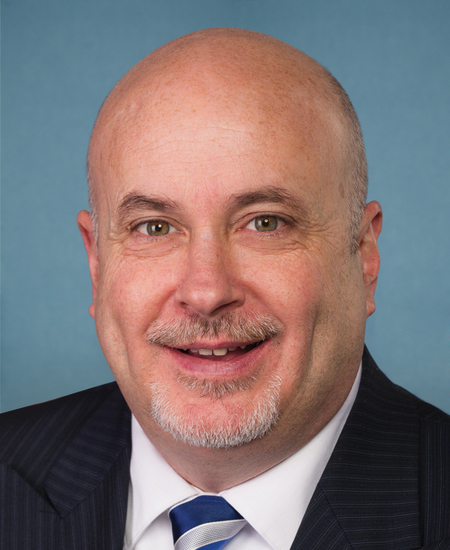
Rep. Mark Pocan
Sponsored bills
This resolution supports (1) fair and equitable access to COVID-19 vaccines, and (2) investments in the vaccine supply chain and other efforts to meet global needs for vaccines.
Creative Economy Revitalization Act This bill requires the Department of Labor to award grants to government and nonprofit agencies to provide programs that employ individuals and provide public access to art or arts programming.
This bill allows payments, in lieu of tax credits, to individuals who remove from a terminal eligible indelibly dyed diesel fuel or kerosene.
Affordable Pricing for Taxpayer-Funded Prescription Drugs Act of 2021 This bill requires companies that receive federal funding for research (or a license of the rights to a patent or regulatory test data) for a biomedical product or service to agree to set reasonable prices for the resulting biomedical product or service. The Department of Health and Human Services (HHS) must determine a reasonable price based on a formula that ensures the U.S. price for the product or service is not more than the median price for the product or service in Canada and six other reference countries with, based on specified criteria, large economies and high incomes. Companies entering these agreements also must report to HHS certain financial information related to the biomedical product or service involved.
Farm System Reform Act of 2021 This bill places a moratorium on large concentrated animal feeding operations; requires country-of-origin labeling for beef, pork, and dairy products; and otherwise revises provisions related to the marketing of livestock, poultry, and meat.
Children's Mental Health Infrastructure Act of 2021 This bill provides funding through FY2026 to the Health Resources and Services Administration for grants to improve the capacity of children's hospitals to provide pediatric behavioral health services, including by modernizing sites of care and enhancing telehealth capabilities.
Helping Kids Cope Act of 2021 This bill provides funding through FY2026 to the Health Resources and Services Administration (HRSA) for grants to enhance access to and provider training in pediatric behavioral health care. Specifically, HRSA must award grants to pediatricians, children's hospitals, and other providers to support pediatric behavioral health integration and coordination within communities. Grant-funded activities may include hiring community navigators to assist families in accessing appropriate services, incorporating behavioral health services in pediatric practices, and delivering services via telehealth. In addition, HRSA must award grants to children's hospitals to expand training for providers in the pediatric behavioral health workforce.
This bill requires airports to broadcast in terminals automated announcements about the penalty for interfering with cabin or flight crews.
Central American Women and Children Protection Act of 2021 This bill temporarily authorizes the Department of State to enter into bilateral compacts with the governments of El Salvador, Guatemala, and Honduras to strengthen criminal justice systems, social supports, and other means to protect women and children from domestic and gender-based violence. At least 15 days before entering a compact, the State Department must submit to Congress a copy of the proposed agreement and related materials. Authority to enter a compact terminates on September 30, 2023, and a compact may last no more than six years. To support the objectives outlined in a compact, the State Department may provide assistance to international organizations, civil society, or other private entities for programs and activities to prevent and respond to domestic and gender-based violence in a compact country. The bill bars the provision of assistance to the government of a compact country as direct budgetary support. The State Department may suspend or terminate the assistance if a compact country or entity receiving the assistance engaged in conduct contrary to U.S. national security interests or inconsistent with the objectives of the compact. The State Department must notify Congress at least 15 days before suspending or terminating assistance. The bill also requires the State Department to annually report on progress made under each compact, including its effect on reported violence against women and children and other domestic and gender-based violence indicators.