

This resolution recognizes the importance, effectiveness, and need for veteran-to-veteran sponsorship programs and encourages the use and practice of such programs within the federal government.
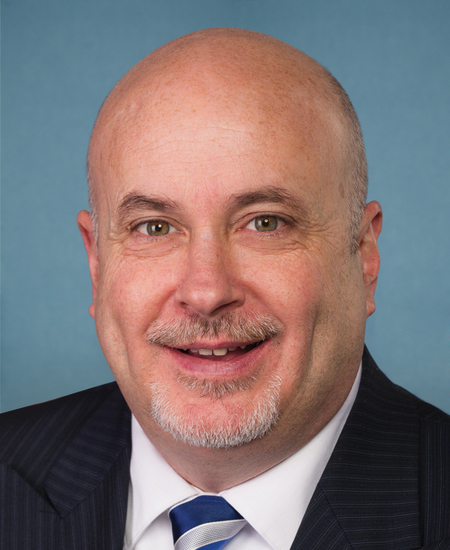
Rep. Mark Pocan
Sponsored bills
IDEA Full Funding Act This bill provides permanent, mandatory funding for the grant program that assists states and outlying areas in providing special education and related services to children with disabilities.
Veterans and Consumers Fair Credit Act This bill applies certain military consumer credit protections to all consumers. Specifically, the bill caps the interest rate on extensions of consumer credit at 36%.
Protect Older Job Applicants Act of 2021 or the POJA Act of 2021 This bill prohibits employers from limiting, segregating, or classifying job applicants based on an applicant's age. It also requires the Equal Employment Opportunity Commission to study and report on claims received from job applicants involving age discrimination.
Maddy summaryHJRES 63 is a joint resolution that would block a specific proposed commercial sale of U.S. weapons to Saudi Arabia. It targets 280 AMRAAM air-to-air missiles, 596 missile launchers, and related support equipment, which were submitted to Congress for review under the Arms Export Control Act. The resolution would prohibit the U.S. government from issuing an export license for these items, preventing the sale from moving forward. This directly affects Saudi Arabia's planned acquisition of these weapons through a commercial transaction with U.S. defense companies.
This resolution expresses support for the goals and values of the 53rd anniversary of the Fair Housing Act and for efforts to strengthen housing protections, particularly during the COVID-19 public health emergency.
Greyhound Protection Act of 2021 This bill modifies the federal criminal statute commonly known as the Wire Act. Currently, the Wire Act contains four prohibitions on the use of a wire transmission facility (e.g., the telephone or internet) for certain gambling activities. All four prohibitions apply to sports gambling. However, there have been conflicting interpretations of the applicability of the prohibitions to nonsports gambling (e.g., state lotteries). This bill amends the Wire Act to expressly state that the statute does not authorize the use of wire communications to gamble on commercial greyhound racing or permit the transport of animals for commercial dog racing or related activities.
Untraceable Firearms Act of 2021 This bill establishes a federal statutory framework to regulate the manufacture, sale, offer to sell, transfer, purchase, and receipt of ghost guns (i.e., guns without serial numbers). Additionally, the bill revises the federal statutory framework regulating the manufacture, possession, sale, import, shipment, delivery, receipt, and transfer of undetectable firearms. Among the revisions, the bill defines undetectable firearm as a firearm without a major component wholly made of detectable material.
Raise the Age Act This bill establishes new restrictions on the sale or transfer of certain semiautomatic firearms to individuals under 21 years of age. Specifically, this bill makes it unlawful for a licensed gun dealer, importer, manufacturer, or collector to sell or deliver a semiautomatic center-fire rifle that has (or has the capacity to accept) an ammunition feeding device with a capacity of more than five rounds to an individual who the licensee knows or has reasonable cause to believe is under age 21. The prohibition does not apply if the individual under age 21 is a full-time law enforcement officer or active-duty member of the Armed Forces. The bill also requires the Federal Bureau of Investigation to report on the operation of its public access line, including a description of information sharing protocols and recommendations for improving such protocols.
Freedom for Families Act This bill prohibits using federal funds for facilities used to detain noncitizen families and addresses related issues. Specifically, no funds made available may be used to operate or construct a family detention center, whether operated by U.S. Immigration and Customs Enforcement or a contractor. This prohibition shall also apply to funds made available before this bill's enactment. Funds obligated to operate such centers must instead be used for implementing and developing nondetention programs that are community-based and consistent with international best practices. The Department of Homeland Security (DHS) may place an apprehended noncitizen family into such a nondetention program if DHS makes an individualized determination that doing so will facilitate the family's compliance with immigration laws. The programs must provide to participants a legal orientation and meaningful access to counsel.