

This concurrent resolution expresses the sense of Congress for ensuring the speediest end of the COVID-19 pandemic the United States and European governments should unite to enact a World Trade Organization Agreement on Trade-Related Aspects of Intellectual Property Rights waiver, require technology transfer, and otherwise facilitate access in low- and middle-income countries to high-quality COVID-19 mRNA vaccines; and vital U.S. partners, with shared values who also prioritize global cooperation and saving lives and livelihoods worldwide, should unite to remove all obstacles to global access to COVID-19 vaccines, diagnostics, treatments, oxygen, and other medical products to advance the common goal of quickly ending the COVID-19 pandemic. The resolution states that the U.S. government has an obligation to the American people, whose taxpayer funds helped to develop lifesaving COVID-19 vaccines, to ensure that doses are ultimately delivered to those most in need around the world so as to ensure the global COVID-19 vaccination necessary to end the pandemic.
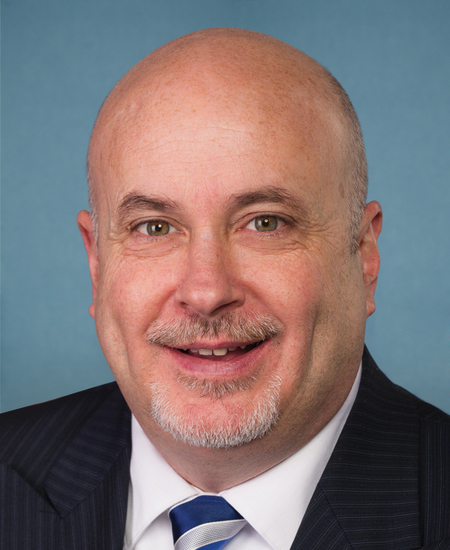
Rep. Mark Pocan
Sponsored bills
This joint resolution proposes a constitutional amendment related to the fundamental right to vote. Specifically, it grants every U.S. citizen of legal voting age the fundamental right to vote in any public election held in the jurisdiction in which the citizen resides.
Maddy summaryHJRES 53 proposes a constitutional amendment to ban slavery and involuntary servitude as a criminal punishment. Currently, the 13th Amendment to the U.S. Constitution permits such punishments for crimes, creating a legal loophole. If ratified by 3/4 of state legislatures, this amendment would eliminate that exception nationwide, making it unconstitutional to impose forced labor or slavery as part of criminal sentences. The change would directly affect all states' criminal justice systems, particularly prison labor practices, by prohibiting these punishments for any offense.
This joint resolution proposes a constitutional amendment providing that the rights protected by the Constitution are the rights of natural persons only. Artificial entities, such as corporations, shall have no rights under the Constitution and are subject to regulation. The amendment requires federal, state, and local government to (1) regulate, limit, or prohibit election contributions and expenditures, including a candidate's own contributions and expenditures; and (2) require that any permissible contributions and expenditures be publicly disclosed. The judiciary is prohibited from construing the spending of money to influence elections to be speech under the First Amendment, and the amendment shall not be construed to abridge the freedom of the press.
Maddy summaryHRES 1392 is a non-binding congressional resolution recognizing "Banned Books Week" and expressing concern about widespread book bans in U.S. schools and libraries. It cites data showing over 1,600 unique books were banned in K-12 schools during the 2021-2022 school year, including works addressing race, LGBTQ+ themes, and historical topics. The resolution urges educational institutions to follow best practices for handling book challenges, protect students' access to diverse materials, and avoid censorship based on political or ideological preferences. It does not create new laws but formally condemns book bans as threats to free expression and democratic discourse.
This resolution expresses support for implementing a Transgender Bill of Rights that guarantees certain rights for transgender and nonbinary people with respect to public services and accommodations, employment, housing, health care, and other specified areas.
This resolution reaffirms the goals of World Refugee Day and the commitment of the United States to promote the safety and well-being of refugees and asylum seekers.
Maddy summaryThis resolution (HRES 981) commemorates the one-year anniversary of the March 16, 2021, Atlanta spa shootings that killed eight people, six of whom were Asian women, and denounces anti-Asian hate. It formally condemns the violence, honors the victims, and recognizes the ongoing impact of anti-Asian hate crimes on the Asian American and Pacific Islander community. The resolution reaffirms support for the existing COVID-19 Hate Crimes Act and commits the federal government to combating hate and violence against AAPI communities. As a symbolic measure, it does not create new laws or funding but serves as a formal statement of solidarity.
This resolution supports the goals and ideals of the International Day for the Elimination of Violence against Women. The resolution also recognizes and honors the individuals and organizations in the United States and in other countries who have fought and continue to struggle to eliminate violence against women. Finally, the resolution encourages the President, among other goals, to increase legal and judicial protection to address violence against women and girls, change social norms to end violence against women and girls, and increase women's economic opportunity and education.
This resolution expresses support for the principles of Transgender Day of Remembrance, memorializing the lives lost to anti-transgender violence this year.