

Maddy summaryHR 1322 expands federal retirement benefits to include specific non-traditional law enforcement roles. It adds IRS employees focused on tax collection, U.S. Postal Inspection Service staff, Department of Veterans Affairs police officers, and U.S. Customs and Border Protection seized property specialists to the definition of "law enforcement officer" under federal retirement systems. Current employees in these newly covered positions must elect to pay deposits for past service to receive full retirement credit, while their agencies must contribute additional funds for that past service. The bill also temporarily prevents mandatory separation for current law enforcement officers for three years after enactment.
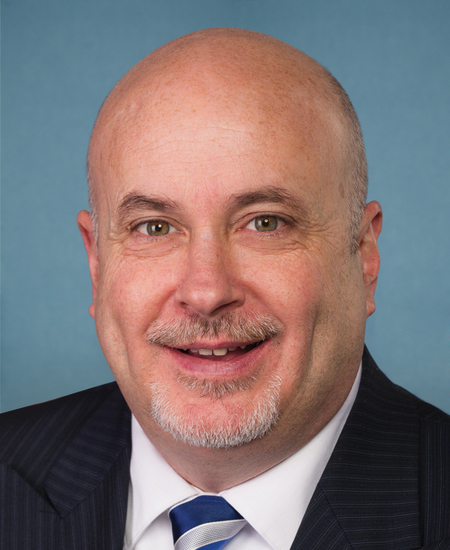
Rep. Mark Pocan
Sponsored bills
Maddy summaryThe Peace Corps Reauthorization Act of 2023 makes several key updates to support Peace Corps volunteers. It increases readjustment allowances from $125 to $375, establishes protocols for safely returning volunteers whose service was interrupted by catastrophic events, and improves health care provisions including mental health services. The bill extends noncompetitive hiring eligibility for returning volunteers for up to three years and implements a zero-tolerance policy for illegal drug use. It also adds protections against retaliation for volunteers who report issues related to waste, fraud, or safety concerns. These changes aim to better support volunteers before, during, and after their service.
Maddy summaryThis bill establishes pay equity for federal firefighters by adjusting how their retirement benefits are calculated and setting a standard workweek. It requires retirement annuities to include overtime hours worked as part of a firefighter's regular schedule (e.g., overtime during standard shifts), rather than excluding them. The bill also mandates a maximum 60-hour regular workweek for federal firefighters, set by the Office of Personnel Management within one year of enactment. These changes directly affect federal firefighters, aiming to improve pay comparability with municipal firefighters and other federal employees while supporting recruitment and retention.
Maddy summaryHR 1249, the Opportunities for Fairness in Farming Act of 2023, regulates agricultural "checkoff programs" that collect mandatory fees from producers to fund commodity promotion and research. The bill prohibits checkoff boards from using funds for lobbying, engaging in conflicts of interest, anticompetitive behavior, or disparaging other commodities. It requires boards to publicly disclose all budgets and disbursements, including recipient identities and purposes, and mandates regular audits by the USDA Inspector General and the Comptroller General. These provisions directly affect all 25+ existing checkoff programs (covering commodities like cotton, dairy, pork, and wheat) by enforcing transparency and preventing misuse of producer-funded promotion dollars.
Maddy summaryHR 1247 would award a Congressional Gold Medal to the Freedom Riders collectively, honoring their pivotal role in challenging segregation in interstate travel during the Civil Rights movement. The medal, to be struck by the U.S. Mint and displayed at the Smithsonian Institution, recognizes their nonviolent protests that led to the 1961 federal ban on segregation in interstate public facilities. This is a symbolic tribute with no legal effect, as the bill does not create new policies or alter existing laws.
Maddy summaryHR 1244 authorizes Congress to award a gold medal collectively to Africans and their descendants who were enslaved in the U.S. from 1619 to 1865, recognizing their contributions to America's economic foundation. The bill directs the Treasury Secretary to design and strike the medal, which will be permanently displayed at the Smithsonian's National Museum of African American History & Culture. It also permits the sale of bronze duplicates to cover costs, with proceeds going to the U.S. Mint. This is a commemorative measure, not a policy change, focusing on symbolic recognition of historical contributions.
Maddy summaryThe Richard L. Trumka Protecting the Right to Organize Act of 2023 strengthens workers' rights to organize unions by making it harder for employers to interfere with organizing efforts. Key provisions include changing the definition of "employee" to make it more difficult to classify workers as independent contractors, prohibiting employers from threatening to permanently replace striking workers, and requiring employers to provide voter lists for union elections. The bill also creates a new electronic voting system for union elections, strengthens whistleblower protections for workers reporting labor violations, and increases penalties for unfair labor practices. These changes directly affect workers seeking to form unions, employers who may interfere with organizing, and labor organizations. The bill aims to make it easier for workers to exercise their right to collective bargaining under the National Labor Relations Act.
Maddy summaryThis is a non-binding resolution expressing the House of Representatives' symbolic support for designating February 27-March 3, 2023, as "Public Schools Week." It does not create new laws, allocate funding, or directly affect any individuals or institutions. The resolution highlights the importance of public schools to democracy, equity, and student success through a series of supporting statements. As a procedural resolution, it has no legal effect beyond acknowledging the significance of public education.
This bill redesignates the federal building located at 935 Pennsylvania Avenue Northwest in the District of Columbia, commonly known as the J. Edgar Hoover Federal Building, as the Federal Bureau of Investigation Building.
Maddy summaryHRES 160 is a non-binding House resolution recognizing Black History Month as a time to honor the contributions of LGBTQI+ Black Americans throughout U.S. history. It commemorates specific historical figures and advocates without creating new laws or policies. The resolution highlights the unique intersection of racial, LGBTQI+, and social justice contributions, including figures like Marsha P. Johnson, James Baldwin, and Alvin Ailey. As a symbolic gesture, it has no legislative effect but aims to raise awareness of underrepresented historical narratives.