

Maddy summaryHR 1808 prohibits the military from considering gender identity, sexual orientation, or sex characteristics when determining service eligibility or implementing policies. It requires that all eligibility decisions and military treatment be based solely on a person's ability to meet job-specific military standards, not on protected characteristics like race, religion, or sex. The bill directly affects all current and prospective military members by mandating equality in service through new provisions added to Title 10 of U.S. Code.
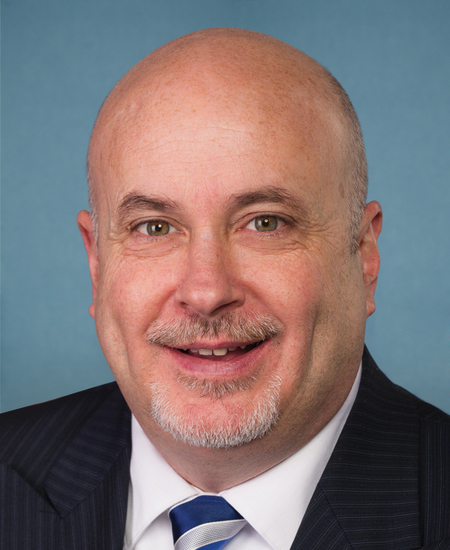
Rep. Mark Pocan
Sponsored bills
Maddy summaryHR 1637 establishes a Medicare pilot program called the Dementia Care Management Model to improve care for beneficiaries with Alzheimer's disease or related dementia. It requires participating providers to offer comprehensive services - including continuous monitoring, personalized care plans, medication management, and caregiver support - while excluding hospice care. Payments are made monthly based on patient needs (with pathways for uncomplicated vs. complex cases) and include quality-based bonuses, with no cost-sharing for beneficiaries. The model tests whether this approach improves health outcomes, care quality, and caregiver support while reducing Medicare spending, targeting Medicare beneficiaries not in nursing homes or hospice who meet specific diagnosis and enrollment criteria.
CBD Product Safety and Standardization Act of 2023 This bill requires the Food and Drug Administration (FDA) to regulate food containing cannabidiol (CBD) derived from hemp as a food additive. (The FDA has determined that food containing added CBD cannot be sold in interstate commerce.) Under this bill, in order to be sold, a food containing CBD derived from hemp must conform with current FDA requirements pertaining to food additives or be generally recognized as safe (GRAS). (Under current law, a food additive with the GRAS designation is not subject to FDA premarket review and approval requirements.) In addition, such a food must comply with all other relevant FDA and labeling requirements. Such a food shall be exempt from an existing provision that prohibits the sale of a food containing an additive that is (1) an FDA-approved drug or biological product, or (2) subject to certain clinical investigations. The FDA must issue regulations pertaining to such foods that specify (1) the maximum amount of CBD derived from hemp per serving, (2) labeling and packaging requirements, and (3) any conditions for intended use.
Hemp and Hemp-Derived CBD Consumer Protection and Market Stabilization Act of 2023 This bill allows the use of hemp, cannabidiol (i.e., CBD) derived from hemp, or any other ingredient derived from hemp in a dietary supplement, provided that the supplement meets other applicable requirements. (Currently, the Food and Drug Administration's position is that CBD products may not be sold as dietary supplements.)
Maddy summaryThis bill amends the Clean Air Act to modify how the EPA handles waivers for ethanol in gasoline, specifically regarding "Reid Vapor Pressure" (a measure of fuel evaporation). It simplifies the process for fuel retailers to introduce certain ethanol blends into commerce by allowing them to meet vapor pressure standards through existing vehicle certification or approved waivers, rather than requiring new EPA approval for each blend. The key change removes barriers for retailers selling ethanol blends that comply with existing vehicle standards or approved waivers, directly affecting fuel manufacturers and retailers who must meet EPA fuel regulations. This is a technical regulatory adjustment focused on streamlining compliance, not creating new consumer benefits or programs.
Maddy summaryHCONRES 28 is a symbolic resolution expressing Congress's view that tax-exempt fraternal benefit societies - organizations providing life, health, and accident benefits to members - have long delivered critical community support. It states these societies, with about 7 million members nationwide, generate significant annual value through charitable work and volunteer activities (estimated at over $3.8 billion yearly). The resolution affirms that their tax-exempt status under Section 501(c)(8) of the tax code is essential for sustaining their volunteer-driven model and relieving pressure on government safety programs. As a non-binding expression of congressional sentiment, it does not alter existing laws or create new obligations.
This resolution expresses support for the designation of Clela Rorex Day to recognize Clela Rorex for issuing the first same-sex marriage license in the United States and becoming a pioneer for civil rights and same-sex marriage.
Maddy summaryThe Office of Gun Violence Prevention Act of 2023 establishes a new office within the Department of Justice to coordinate federal efforts on gun violence prevention. The office, led by a Director appointed by the Attorney General, will evaluate existing programs, identify data gaps, and make evidence-based policy recommendations to Congress and the President. It will work with an advisory council including DOJ officials and external members like gun violence survivors, community service providers, and public health experts. The office must produce an annual report to Congress on gun violence trends and policy recommendations, and the bill authorizes funding to support these activities.
Maddy summaryHR 1723, the Abortion is Health Care Everywhere Act of 2023, amends the Foreign Assistance Act to remove restrictions on using U.S. foreign aid funds for abortion services. It explicitly allows U.S. foreign assistance programs to fund comprehensive reproductive health care, including abortion services, training, and equipment. This change directly affects U.S. international health programs and recipient countries, enabling them to integrate safe abortion care into broader reproductive health services. The bill aims to align U.S. policy with global health guidelines by making abortion services a standard part of reproductive health care funded through foreign assistance.
Maddy summaryThis bill modifies federal highway funding rules to prioritize safety for cyclists and pedestrians. It allows states and local governments to receive 100% federal funding for projects that connect existing bike/pedestrian infrastructure or reduce safety risks for these users, instead of the usual lower federal share. The bill also requires projects to align with state safety plans focusing on vulnerable road users and includes specific "Proven Safety Countermeasures" for cyclists/pedestrians. These changes directly affect states administering federal highway funds and local governments seeking to improve non-motorized transportation infrastructure.