

Nurse Staffing Standards for Patient Safety and Quality Care Act of 2021 This bill requires hospitals to implement and submit to the Department of Health and Human Services (HHS) a staffing plan that complies with specified minimum nurse-to-patient ratios by unit. Hospitals must post a notice regarding nurse-to-patient ratios in each unit and maintain records of actual ratios for each shift in each unit. The bill also requires hospitals to follow certain procedures regarding how ratios are determined and other staff are prohibited from performing nurse functions unless specifically authorized within a state's scope of practice rules, among other requirements. HHS must adjust Medicare payments to hospitals to cover additional costs attributable to compliance with these ratios. Nurses may object to, or refuse to participate in, an assignment if it would violate minimum ratios or if they are not prepared by education or experience to fulfill the assignment without compromising the safety of a patient or jeopardizing their nurse's license. Hospitals may not (1) take adverse actions against a nurse based on the nurse's reasonable refusal to accept an assignment; or (2) discriminate against individuals for good faith complaints relating to the care, services, or conditions of the hospital or related facilities. HHS may impose civil monetary penalties on hospitals violating the ratio requirements and must publish the names of such hospitals. The bill provides stipends to the nurse workforce loan repayment and scholarship program and expands the nurse retention grant program to include nurse preceptorship and mentorship projects.
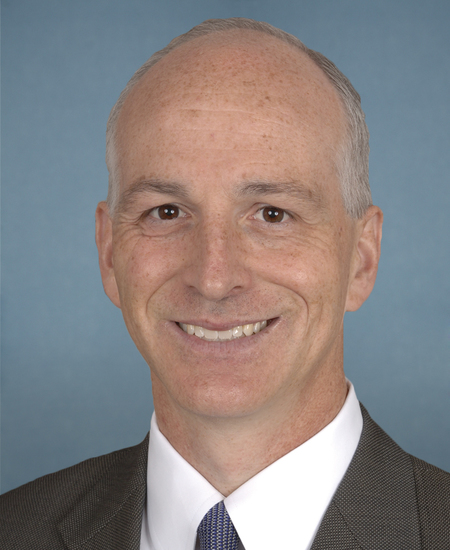
Rep. Adam Smith
Sponsored bills
North Pacific Ocean Protection Act This bill prohibits the Department of the Interior from issuing a lease for the exploration, development, or production of oil or natural gas in specified areas of the Outer Continental Shelf off the coasts of Washington, Oregon, and California.
Enhance Access To SNAP Act of 2021 or the EATS Act of 20 21 This bill expands eligibility for the Supplemental Nutrition Assistance Program to students attending institutions of higher education.
Improving Access to Nutrition Act of 20 21 This bill repeals certain work requirements for the Supplemental Nutrition Assistance Program (SNAP, formerly known as the food stamp program). The requirements apply to able-bodied adults who are ages 18-49 and have no dependent children. Individuals who do not meet certain work requirements are generally prohibited from receiving more than 3 months of SNAP benefits over a 36-month period. Under current law, some of the work requirements under SNAP are temporarily suspended due to COVID-19 (i.e., coronavirus disease 2019).
Helping Emergency Responders Overcome Act or the HERO Act This bill establishes a series of programs relating to the behavioral health of law enforcement officers, first responders, 9-1-1 operators, and other public safety officers and health care providers. The programs include a public safety officer suicide-reporting system at the Centers for Disease Control and Prevention, a grant program for peer-support behavioral health and wellness programs within fire departments and emergency medical services agencies, and a grant program for behavioral health and wellness programs for health care providers.
Pursuing Equity in Mental Health Act This bill establishes and expands programs to address racial and ethnic disparities in mental health. Specifically, the Department of Health and Human Services (HHS) must award grants to establish interprofessional behavioral health care teams in areas with a high proportion of racial and ethnic minority groups. In addition, HHS may award grants to incorporate best practices and competencies to address mental health disparities in curricula for training social workers, psychologists, and other behavioral health professionals. HHS must also promote behavioral and mental health and reduce stigma associated with mental health conditions and substance use disorder through outreach to racial and ethnic minority groups. HHS must consult with appropriate advocacy groups and behavioral health organizations to develop a strategy for this outreach. The bill also (1) reauthorizes the minority fellowship program to support the education of mental health professionals who provide services to racial and ethnic minorities, and (2) requires studies on mental health disparities and the effects of social media use on adolescents.
Protecting Moms Who Served Act This bill requires the Department of Veterans Affairs (VA) to implement the maternity care coordination program. The VA must provide community maternity care providers (i.e., non-VA maternity care providers) with training and support with respect to the unique needs of pregnant and postpartum veterans, particularly regarding mental and behavioral health conditions in relation to the service of the veterans in the Armed Forces. Additionally, the Government Accountability Office must report on maternal mortality and severe maternal morbidity among pregnant and postpartum veterans, with a focus on racial and ethnic disparities in maternal health outcomes for veterans.
Healthy Maternity and Obstetric Medicine Act or the Healthy MOM Act This bill expands health insurance coverage availability for pregnant individuals. It requires health insurers, health insurance exchanges, and group health plans to offer a special enrollment period to pregnant individuals. The special enrollment period offered by an insurer or exchange must begin when the pregnancy is reported to the insurer or exchange. The special enrollment period offered by a group health plan must begin when the pregnancy is reported to the plan or is confirmed by a health care provider. The bill also makes pregnancy a qualifying life event for the purpose of enrolling in a federal employee health benefit plan. Additionally, a group health plan or health insurer that covers dependents must provide coverage for maternity care to all covered individuals. Any individual who is eligible for Medicaid and is, or becomes, pregnant maintains such eligibility for one year after the end of the pregnancy. The bill revises the range in which a state must establish a maximum level of family income for pregnant women and infants to be eligible for Medicaid. The upper limit of the range is eliminated and the lower limit is set to the level in place on January 1, 2014.
Northern Rockies Ecosystem Protection Act This bill designates specified National Forest System lands, National Park System lands, and public lands in Idaho, Montana, Oregon, Washington, and Wyoming as wilderness and as components or additions to existing components of the National Wilderness Preservation System. The Department of the Interior and the Department of Agriculture (USDA) must accept donations of leases or permits authorizing grazing on specified public or National Forest System lands. The bill also designates (1) specified federal lands as biological connecting corridors and as special corridor management areas; (2) segments of specified rivers and creeks in Idaho, Montana, and Wyoming as components of the National Wild and Scenic Rivers System; and (3) specified areas as wildland recovery areas. USDA shall develop a wildland recovery plan for each recovery area. A panel of independent scientists shall study roadless lands greater than 1,000 acres that are within the National Forest System in the Wild Rockies bioregion in Idaho, Montana, Oregon, Washington, or Wyoming and that are not designated as components of the National Wilderness Preservation System for their role in maintaining biological diversity in the Northern Rockies and as part of the overall forest reserve system. Any new road construction or reconstruction or timber harvest is prohibited in those lands after the evaluation without an act of Congress. Oil or gas leasing, mining, or other development which impairs the natural and roadless qualities of the land is also prohibited.
This resolution expresses support for the designation of National Foster Care Month.