

Maddy summaryHR 3433, the "Give Kids a Chance Act of 2024," requires pharmaceutical companies developing certain cancer drugs to conduct pediatric studies if the drugs target molecular pathways relevant to childhood cancers. It directly affects drug manufacturers submitting new applications for cancer treatments, particularly those combining previously approved adult cancer drugs or containing a single new active ingredient. The bill amends FDA regulations to mandate these pediatric investigations only when specific conditions are met, such as when a drug's molecular target is relevant to pediatric cancer growth. The FDA must issue implementing guidance within 12 months, and reports to Congress will track implementation and effectiveness starting 2 years after enactment.
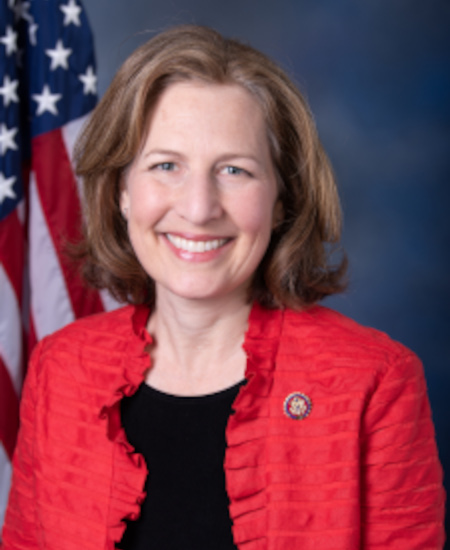
Rep. Kim Schrier
Sponsored bills
Maddy summaryThe Kids Online Safety Act (HR 7891) would require major online platforms (with high revenue or user numbers) to implement safety features for children and teens, including default protective settings, parental controls, and age verification. It would mandate platforms to report annually on risks to minors and their safety measures, and prohibit advertising harmful products (like tobacco, alcohol, or gambling) to minors. The bill directly affects social media platforms, online video games, and video streaming services that are used by minors, with the goal of preventing mental health harms, compulsive usage, and cyberbullying.
Maddy summaryThis bill modifies Medicaid and CHIP rules to let eligible out-of-state healthcare providers enroll without extra state screening. It applies to providers already in Medicare or their home state program, with low fraud risk, serving children under 21 with complex medical conditions. Providers would receive 5 years of enrollment under this streamlined process, eliminating state-level barriers. The change directly affects children seeking specialized care across state lines and the providers who serve them.
Maddy summaryHRES 1423 expresses the U.S. House of Representatives' support for designating the week of September 21-28, 2024, as "National Estuaries Week." The resolution highlights estuaries' economic and ecological importance, noting they support over 3.5 million jobs, contribute $476 billion to the U.S. GDP, and provide critical services like flood control and water filtration. It does not create new laws or funding but aims to raise public awareness about protecting estuaries, which face threats like pollution and habitat loss. The resolution acknowledges ongoing restoration efforts by federal, state, tribal, and community partners.
Maddy summaryHR 8557, the National Prescribed Fire Act of 2024, establishes new funding mechanisms to increase controlled burns on Federal lands to reduce wildfire risk. The bill creates $300 million annual accounts for the Departments of Agriculture and Interior, requires a 10% annual increase in prescribed fire acreage on Federal lands, and reduces liability for certified fire managers (except in cases of gross negligence). It also establishes a Collaborative Prescribed Fire Program to fund partnerships with States, Tribes, and private landowners, and mandates landscape-scale fire planning to improve coordination across land ownerships. The bill directly affects Federal land managers, States, Tribes, and private landowners who conduct prescribed fires, with provisions aimed at expanding safe, controlled burning while addressing smoke impacts and building a skilled workforce.
Maddy summaryHR 7294 establishes the "Emergency Forest Watershed Program" to enable rapid response after natural disasters threatening National Forest System lands. It authorizes sponsors (state/local governments, tribes, or water districts) to receive federal funding for emergency measures like erosion control and flood mitigation within 2 years of a disaster, with no matching funds required. The bill waives sponsor liability for normal operations but holds them responsible for willful negligence, and streamlines environmental reviews for these urgent projects. This directly affects National Forest lands and downstream communities by accelerating recovery efforts after events like wildfires or floods.
Maddy summaryThis bill creates a new grant program to fund climate-focused projects on agricultural land. It provides up to $150 million annually (2023-2031) to eligible groups like state agricultural departments, tribal governments, farmer cooperatives, and conservation districts. These groups can use funds to develop or implement projects that increase carbon sequestration, reduce emissions, or improve farm resilience to extreme weather - prioritizing historically underserved farmers, tribal knowledge, and practices like soil health management. Grants require projects to align with USDA climate plans and include performance measures to track outcomes.
Maddy summaryThis bill (HR 9391) designates the U.S. Postal Service facility at 108 North Main Street in Bucoda, Washington, as the "Mayor Rob Gordan Post Office." It updates all official references to this location to reflect the new name, affecting only the postal facility's official designation. The bill is purely ceremonial and does not change any postal services, policies, or obligations.
Maddy summaryThe Lasting Home Affordability Act of 2024 creates a federal grant program to fund low-interest construction loans for affordable housing. The Treasury Secretary will award $100 million in grants to eligible state/local agencies or housing authorities (eligible grantees), which must then provide loans with interest rates capped at 3% and origination fees at 1% to nonprofit organizations or local governments (eligible entities). These entities must use the loans to build or rehabilitate housing for primary residences, requiring all future buyers to have incomes at or below 120% of local median income, with this affordability requirement lasting 30 years after the initial sale. The bill directly affects housing providers and low-income homebuyers in communities seeking to expand affordable homeownership.
Maddy summaryThis bill bans weighted sleep products for infants under 1 year old, including wearable blankets, sleep sacks, and swaddles that add weight for non-insulation purposes. It classifies these products as hazardous under existing consumer safety law, prohibiting their sale, manufacture, or import. The Consumer Product Safety Commission can define specific terms related to the ban, and the law takes effect 180 days after enactment. The policy directly affects infant product manufacturers, retailers, and caregivers who use such items.