

Maddy summaryThis bill requires Medicare plans (including Medicare Advantage and prescription drug plans) to base coverage decisions on medical necessity and evidence-based standards. It mandates that plans seek input from practicing physicians when creating or changing coverage rules, post all preauthorization requirements online in plain language, and publicly share statistics on approvals and denials. The bill also requires that adverse coverage decisions be made by licensed, board-certified physicians and prohibits denying coverage solely due to lack of evidence-based standards when none exist for a service. These changes aim to reduce unnecessary delays in care for Medicare beneficiaries by increasing transparency and clinical input in coverage decisions.
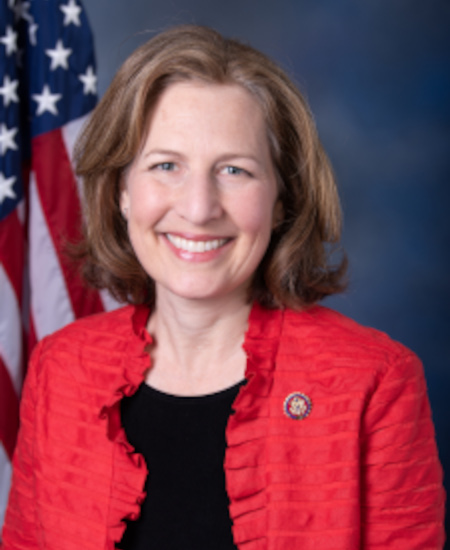
Rep. Kim Schrier
Sponsored bills
Maddy summaryHR 2072 allows hydropower project licensees to request extended construction timelines from the Federal Energy Regulatory Commission (FERC). It specifically applies to projects licensed before March 13, 2020, with original construction deadlines expiring after December 31, 2023. FERC may extend the construction period by up to 6 additional years (in 2-year increments) if a licensee demonstrates good cause, and will automatically reinstate expired licenses for affected projects upon the bill's enactment. This bill directly affects hydropower developers whose licenses were nearing expiration due to delays, providing administrative flexibility without changing core licensing requirements.
Maddy summaryHJRES 144 is a congressional disapproval resolution targeting a specific rule issued by the Department of Veterans Affairs (VA) on December 31, 2025, which addressed "Reproductive Health Services" (90 Fed. Reg. 61310). This resolution directs Congress to disapprove the VA rule under Chapter 8 of Title 5, U.S. Code, meaning the rule would have no legal effect if passed. The bill directly affects the VA's implementation of reproductive health services for veterans, as it seeks to nullify the agency's existing policy. This is a procedural measure, not a substantive policy change, aimed solely at blocking the VA's rule through congressional action.
Maddy summaryHR 7206, the Farm and Family Relief Act, provides direct financial assistance to agricultural producers facing market challenges during the 2025 crop year. It establishes one-time payments for eligible crop producers (including wheat, corn, soybeans, and cotton) when expected costs exceed expected returns, with payment limits based on farming income (capping at $125,000 or $250,000 depending on farming income percentage). The bill allocates $5 billion for specialty crop producers, $500 million for timber industry assistance, and $330 million for sugar beet producers through cooperative block grants. Additionally, it delays certain cost-shift provisions in food assistance programs and terminates specific tariff-imposing executive orders.
Maddy summaryHR 7173, the Follow the Science Act, restricts political appointees from influencing National Institutes of Health (NIH) operations and grant decisions. It prohibits most political appointees (defined broadly as those in policy-making roles) from being employed by NIH or participating in grant reviews, funding selections, or policy implementation. The bill requires the NIH Director to report on past political appointee involvement in these activities to Congress within 30 days of enactment. These changes aim to ensure NIH decisions are based on scientific merit rather than political influence, with limited exceptions for other federal agencies.
Maddy summaryThe Capping Costs for Consumers Act of 2026 modifies cost-sharing reductions under the Affordable Care Act for health insurance marketplace plans. It directly affects low-to-moderate income individuals (household income between 150%-400% of the federal poverty level) purchasing coverage through the marketplace. Key provisions shift the cost-sharing tiers: for 2028 and later plan years, gold-level coverage replaces silver-level for determining cost-sharing reductions, increasing the percentage of covered costs (e.g., 85% for incomes above 300% of poverty instead of 73-70% under current rules). The bill also adjusts premium assistance credits to use gold plan costs instead of silver plan costs for tax years beginning after 2027.
Maddy summaryHR 7118, the Genomic Answers for Children’s Health Act of 2026, requires Medicaid to cover whole genome and whole exome sequencing for Medicaid-eligible children with specific medical needs, including genetic disorders, rare diseases, congenital anomalies, developmental delays, or intellectual disabilities. It mandates that this testing be ordered as a first-tier test by a physician and paid separately, not bundled with other services. The bill also requires the Department of Health and Human Services to convene stakeholders, conduct outreach to raise awareness, and publish a report within two years detailing state payment rates and usage data. Additionally, it directs a Comptroller General report assessing implementation barriers, workforce challenges, and payment alignment with market costs. The changes take effect January 1, 2027.
Maddy summaryHRES 996 is a resolution introduced by multiple House members to impeach Kristi Lynn Arnold Noem, the Secretary of Homeland Security, for alleged violations of law and the Constitution. It outlines three articles of impeachment: obstructing congressional oversight by denying access to detention facilities and withholding funds, violating public trust through warrantless arrests and excessive force (including tear gas on children), and self-dealing by awarding federal contracts to associates without competitive bidding. If approved by the House, this resolution would formally charge Noem, triggering a Senate trial to determine her removal from office. The resolution itself does not enact new policy but initiates the constitutional impeachment process against a sitting Cabinet official.
Maddy summaryThis bill allows states to use federal funds to purchase fresh, locally grown food (like fruits, vegetables, dairy, and meat) from small, underserved farms and food businesses - such as women-owned, veteran-owned, or beginning farmer cooperatives - and distribute it through emergency feeding programs. It allocates $200 million annually (2026-2030) to support these purchases, requiring states to partner with local producers and emergency feeding organizations serving food-insecure communities. The policy directly affects low-income residents receiving food assistance and small-scale agricultural businesses that meet eligibility criteria. It aims to strengthen local food supply chains, improve access to culturally relevant foods, and expand economic opportunities for qualifying farms.
Maddy summaryThe Partnerships for Agricultural Climate Action Act creates a federal grant program to fund climate-friendly farming practices that reduce greenhouse gas emissions, store carbon in soil, and increase resilience to extreme weather. It provides grants to state and tribal governments, farmer groups, cooperatives, and conservation organizations to develop or implement projects meeting specific climate goals, with priority for initiatives supporting beginning farmers, socially disadvantaged producers, and those incorporating Indigenous agricultural knowledge. The program allocates $150 million annually from 2026 to 2034 (with at least one-third reserved for tribal governments), requiring non-federal matching funds for most applicants and strict rules on fund usage and reporting.