

Maddy summaryThe Tipped Worker Protection Act eliminates the sub-minimum wage for tipped workers, requiring employers to pay the full minimum wage instead of the current $2.13/hour rate that relies on tips to make up the difference. During a transition period, tipped workers would receive a minimum cash wage of $3.60/hour in the first year, increasing by $1.50 annually until reaching the full minimum wage. The bill also prohibits employers from keeping tips or using them for anything other than distributing to employees, requires transparency about service charges, and establishes rules for voluntary tip pooling. This bill directly affects workers in restaurants, bars, and other service industries who traditionally receive tips as part of their compensation.
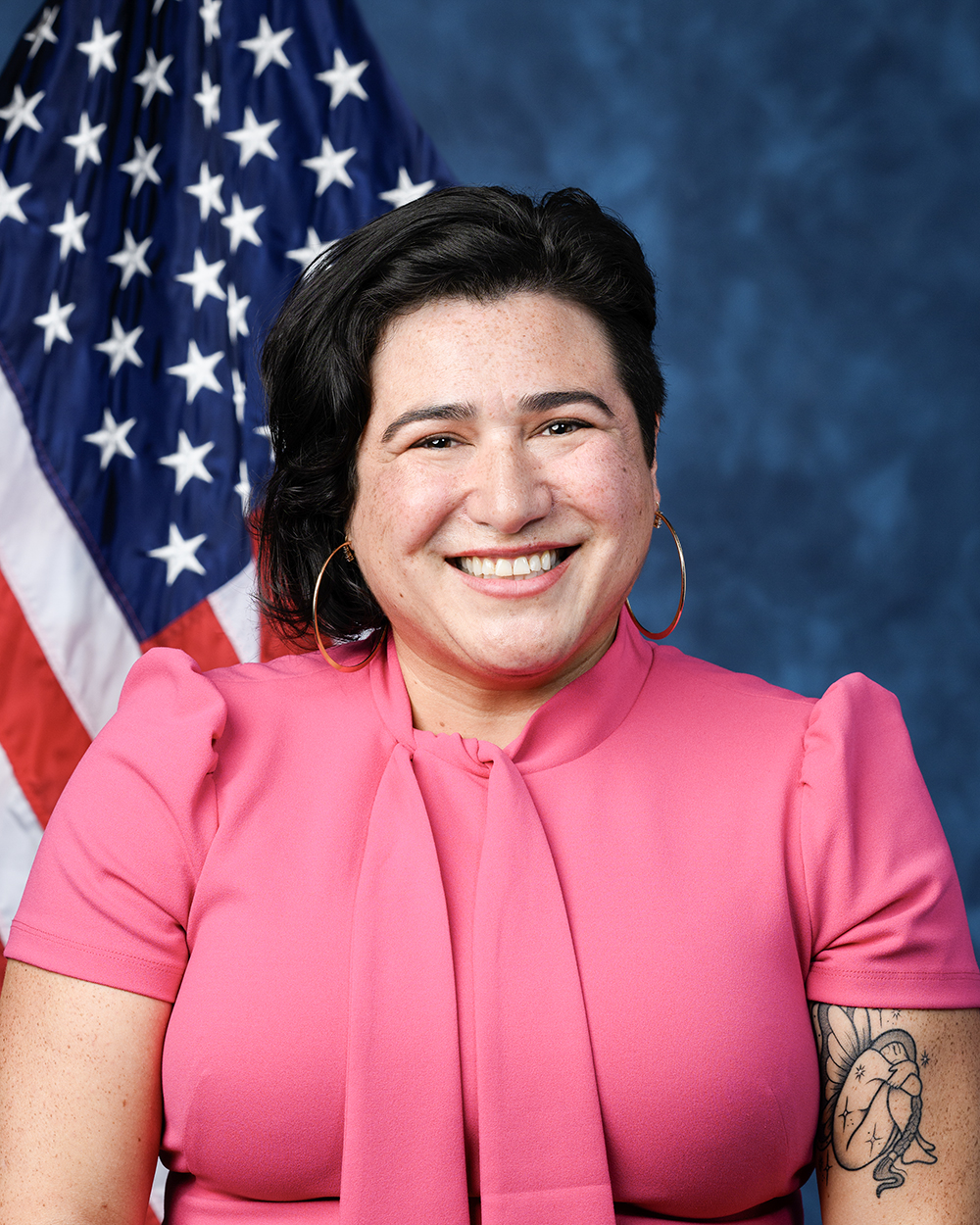
Rep. Emily Randall
Sponsored bills
Maddy summary# Summary of Proposed FEMA Reform Legislation (FEMA Act of 2025) This comprehensive legislative document proposes significant reforms to the Robert T. Stafford Disaster Relief and Emergency Assistance Act, with four main sections addressing: ## 1. Disaster Assistance Reforms - **Expanded eligibility** for assistance, including clarifying that absence of a fixed address doesn't disqualify individuals from sheltering assistance - **Improved rental assistance** with consideration of local post-disaster rent increases - **Direct assistance** for those unable to use financial assistance, with no requirement to show other assistance can cover costs (except insurance) - **Enhanced notices** for applicants, including documentation of denial decisions - **Clarification of displacement assistance** eligibility, stating insurance shouldn't be considered a duplication of benefits ## 2. Mitigation Program Enhancements - **Preapproved project mitigation plans** requiring states to develop plans with peer review processes - **Improved allocation of funds** with formulas prioritizing vulnerable communities, high-risk areas, and rural/economically distressed communities - **Resilient buildings** requirements for housing retrofits using the latest building codes - **Streamlined application processes** for hazard mitigation funds across multiple programs - **Study on mitigation benefits** to evaluate cost savings and effectiveness ## 3. Transparency and Accountability Measures - **Public dashboards** for both individual assistance (431) and public assistance (432) showing application status, approvals, denials, and funding - **Transparency requirements** for disaster declarations with detailed justifications for approvals/denials - **GAO studies** on numerous topics including: - Identity theft in disaster assistance (409) - Insurance utilization for public assistance facilities (410) - Wildfire management plans (411) - Effectiveness of alerting systems (412) - Cost savings of repair/rebuilding reforms (415) - **Prohibition on political discrimination** in assistance distribution ## 4. Workforce and Operational Improvements - **Study on workforce retention** in noncontiguous communities - **Pilot program** for preliminary damage assessments in remote communities - **Fast-moving disasters working group** to develop best practices for rapid response The legislation focuses on improving efficiency, transparency, and effectiveness of disaster relief programs while prioritizing vulnerable populations and communities with higher risk of disasters. It also emphasizes data-driven decision making through required studies and reports to continuously improve disaster management policies.
Maddy summaryThis bill repeals the provision allowing the President to assume emergency control of the District of Columbia's police force. It directly affects the District of Columbia government by transferring full authority over police emergency management from the federal government to local DC officials. The key mechanism is removing Section 740 of the District of Columbia Home Rule Act, which previously permitted the President to intervene in police operations during emergencies. This change formalizes DC's local control over its police department during crises.
Maddy summaryHR 5053, the Protecting Public Naval Shipyards Act of 2025, prohibits workforce reductions at public naval shipyards due to budget cuts or fund reprogramming. It specifically protects 12 categories of critical shipyard jobs, including welders, pipefitters, nuclear maintenance staff, engineers, apprentices, and infrastructure support roles. The bill ensures these positions remain exempt from hiring freezes or layoffs during fiscal adjustments, maintaining operational capacity. It does not override existing procedures for addressing employee misconduct or poor performance. The law directly affects federal shipyard workers at public naval facilities, safeguarding key technical and maintenance roles.
Maddy summaryThis bill (HJRES 115) terminates a presidential emergency declaration made on August 11, 2025, which claimed a "crime emergency" in Washington, D.C. It directly affects the District of Columbia by ending federal restrictions that prevented D.C. from using $1 billion in locally-raised funds for public safety, law enforcement, fire services, and schools. The resolution cites that the emergency declaration was legally flawed - section 740 of the DC Home Rule Act does not permit federalizing the Metropolitan Police Department - and notes that D.C. violent crime has reached a 30-year low. The bill formally ends the emergency under the DC Home Rule Act, restoring D.C.'s authority over its own budget and public safety resources.
Maddy summaryHR 4977, the Connected MOM Act, requires the U.S. Department of Health and Human Services (HHS) to study Medicaid coverage of remote health monitoring devices (like blood pressure cuffs and pulse oximeters) for pregnant and postpartum women. Within 18 months of enactment, HHS must report to Congress on current state practices, barriers to coverage, and how these affect maternal and child health outcomes. Six months after the report, HHS must update state Medicaid resources, such as telehealth toolkits, to align with the report's recommendations. The bill directly affects pregnant and postpartum women enrolled in state Medicaid programs by aiming to improve access to these monitoring tools. It does not change Medicaid rules immediately but sets a process for future policy adjustments based on the findings.
Maddy summaryHR 4959, the "Land of the Free Act of 2025," repeals a specific deportation provision in immigration law. It removes Section 237(a)(4)(C) of the Immigration and Nationality Act (8 U.S.C. 1227(a)(4)(C)), which previously allowed non-citizens to be deported for engaging in "protected speech activities." This change directly affects non-citizens who might have faced deportation under that provision for exercising free speech rights. The bill makes a concrete policy change by eliminating this exception to deportation.
Maddy summaryHR 4966 prohibits grocery stores from selling items at "grossly excessive prices," defined as 120% or more above the average market price over the previous six months (with exceptions for unavoidable cost increases like supply chain issues). It bans using facial recognition or personal data to set different prices for individual customers (e.g., adjusting prices based on shopping history) and requires clear signage if facial recognition is used. Stores over 10,000 square feet must replace electronic shelf labels with physical price tags. The Federal Trade Commission enforces these rules, allowing consumers to seek $3,000 per violation or actual damages, with penalties for willful violations.
Maddy summaryHR 4937, the EQUAL Parks Act, codifies the 2017 Presidential Memorandum on promoting diversity and inclusion in national parks and public lands, giving it the force of law. It requires federal agencies managing public lands - such as the National Park Service and U.S. Forest Service - to implement the diversity and inclusion guidelines outlined in that memorandum. The bill does not create new programs but mandates that these agencies formally adopt and follow the memorandum’s requirements for improving access and representation. This affects how federal land management agencies operate and engage with diverse communities.
Maddy summaryThis bill requires the U.S. Department of State to include specific, detailed reporting on reproductive rights in its Annual Country Reports on Human Rights Practices. It mandates descriptions of each country's policies regarding access to contraception, abortion services, and comprehensive reproductive health care, alongside data on pregnancy-related deaths, discrimination against women and LGBTQI+ individuals, and disparities based on race, disability, or other factors. The bill also directs the State Department to consult with civil society organizations and health experts to ensure thorough reporting on these issues. This change aims to align U.S. reporting with international human rights standards and address past omissions of reproductive rights from these reports.