

Maddy summaryHRES 825 is a procedural resolution requesting the President to provide specific unredacted documents to the House of Representatives within 14 days. It seeks all communications related to government agencies' public messaging during the October 2025 funding lapse, including OMB directives to agencies, HUD's website statement about the shutdown, modified email messages from the Department of Education for furloughed staff, and internal reviews of whether such communications violated federal laws. This resolution focuses solely on transparency regarding government communications during the funding lapse, not on policy changes. As a procedural request for information, it does not alter laws or affect any specific group.
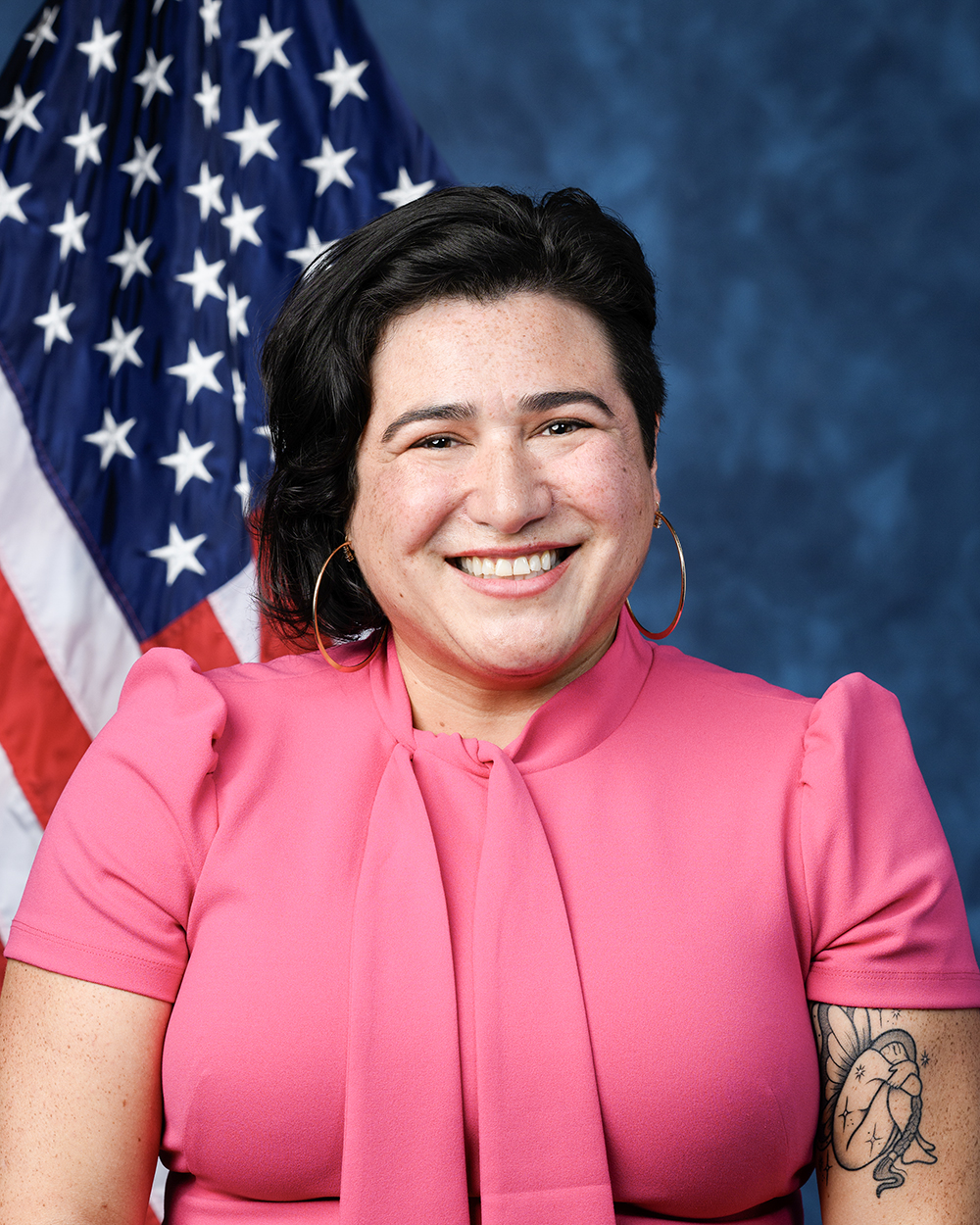
Rep. Emily Randall
Sponsored bills
Head Start Shutdown Protection Act of 2025 This bill requires the Department of Health and Human Services to reimburse a state, local government, or school district that uses its funds to maintain participation in the Head Start program or the Early Head Start program during a government shutdown in which there is a lapse in federal appropriations for the programs. The Head Start programs provide comprehensive early childhood education and development services to low-income children. The programs seek to promote school readiness through the provision of educational, health, nutritional, social, and other services.
Maddy summaryThis bill restores the pre-January 20, 2025, administrative structure of the Head Start program within the Department of Health and Human Services. It establishes a central Office of Head Start with 12 regional offices, requiring the Secretary to maintain all prior staffing levels, organizational structure, and functions. The bill prohibits the Secretary from restructuring the office or reducing staff without providing 60 days' notice to Congress and the public, ensuring continuity in program oversight. It directly affects the Office of Head Start, its regional offices, and HHS staff managing Head Start operations.
Maddy summaryThis bill prohibits the Department of Veterans Affairs (VA) from discriminating against transgender veterans in healthcare, specifically requiring the VA to provide medically necessary treatments for gender dysphoria. It directly affects transgender veterans seeking VA health services by mandating that the VA cannot deny such care or misgender patients based on gender identity. The law adds a new section to VA healthcare law explicitly banning gender identity discrimination and ensuring access to gender dysphoria treatments, aligning with existing protections under the Affordable Care Act. Additionally, it requires the VA to provide quarterly reports to Congress on how transgender veterans receive healthcare services under this new standard.
Maddy summaryHRES 807 is a procedural resolution requesting the President to provide specific documents to the House of Representatives about government employee pay during a funding gap. It asks for unredacted communications related to potential pay withholdings, legal arguments about the Government Employee Fair Treatment Act, and plans affecting furloughed federal employees during the October 1, 2025, appropriations lapse. The resolution directly targets the President and relevant agencies (like OMB and OPM) to disclose internal records within 14 days. It does not change policy but seeks transparency about decisions impacting federal workers' pay during a funding interruption.
Maddy summaryThis bill increases federal funding for school meal programs by adding 45 cents per lunch and 28 cents per breakfast served by school food authorities, effective November 1, 2025. The additional reimbursement applies to all meals served, including free, reduced-price, and paid meals, and will be adjusted annually for inflation starting July 1, 2026. It directly affects public schools and school districts participating in the National School Lunch and Breakfast Programs by boosting their per-meal funding. The policy change aims to support meal quality and accessibility without altering eligibility requirements or program administration.
Maddy summaryThis resolution requires the House of Representatives to hold daily meetings and recorded attendance checks during government shutdowns. Members must electronically confirm their presence each day via a "quorum call," with fines of $500 for a first offense and $2,500 for repeat failures. Fines cannot be paid using campaign or official funds, and the rules apply to all House members, including delegates and the Resident Commissioner. The bill aims to ensure continuous House operations during shutdowns but does not alter the cause or duration of shutdowns.
Maddy summaryHR 5708, the Federal Employees Civil Relief Act, provides temporary protections for federal workers and contractors during government shutdowns. It suspends civil proceedings like evictions, mortgage foreclosures, student loan collections, and tax payments if the worker is furloughed or working without pay. During a shutdown (and for 30 days after), courts can pause these obligations or adjust payments to prevent harm, and lenders/insurers cannot penalize workers for missed payments due to the shutdown. The law directly affects federal employees whose income is disrupted by a shutdown, ensuring housing, loan, and tax protections while maintaining their civil rights.
Maddy summaryHR 5705 requires the federal government to reimburse state agencies for funds they use to maintain participation in the WIC program during a government shutdown. It directly affects states that cover WIC costs using their own money when federal funding lapses. The bill establishes a process where states can seek reimbursement from the federal government after the shutdown ends. This ensures states aren’t burdened with costs for a federal funding gap that impacts nutrition assistance for women, infants, and children.
Maddy summaryHR 5707, the Voter Purge Protection Act, sets strict standards for states removing voters from registration lists. It requires states to use only objective, reliable evidence (like proof of death or moved residence) to remove voters - not factors like not voting or not responding to notices - and mandates 48-hour written notice to affected voters with reinstatement instructions. States must also issue public notices about removal programs to help voters verify their status. This bill directly affects state election officials and voters whose registration might be challenged, aiming to prevent improper removals under the National Voter Registration Act. It amends existing federal voting laws to enforce these new verification and notice requirements.