

Maddy summaryHR 7347, the *Stop Inhumane Conditions in ICE Detention Act of 2026*, requires all facilities detaining noncitizens under U.S. immigration law - including contracted facilities - to implement real-time health reporting systems for medical, dental, and mental health conditions. It mandates anonymous, multilingual complaint systems for detainees with anti-retaliation protections, annual DHS audits of health conditions (including gender-specific care), and full-time health liaisons at each facility. The bill triggers contract reviews for facilities with three verified health complaints and requires quarterly public reports on conditions and complaints to Congress. These provisions directly affect ICE detention facilities, detainees, and DHS oversight processes, focusing on transparency and accountability in health care.
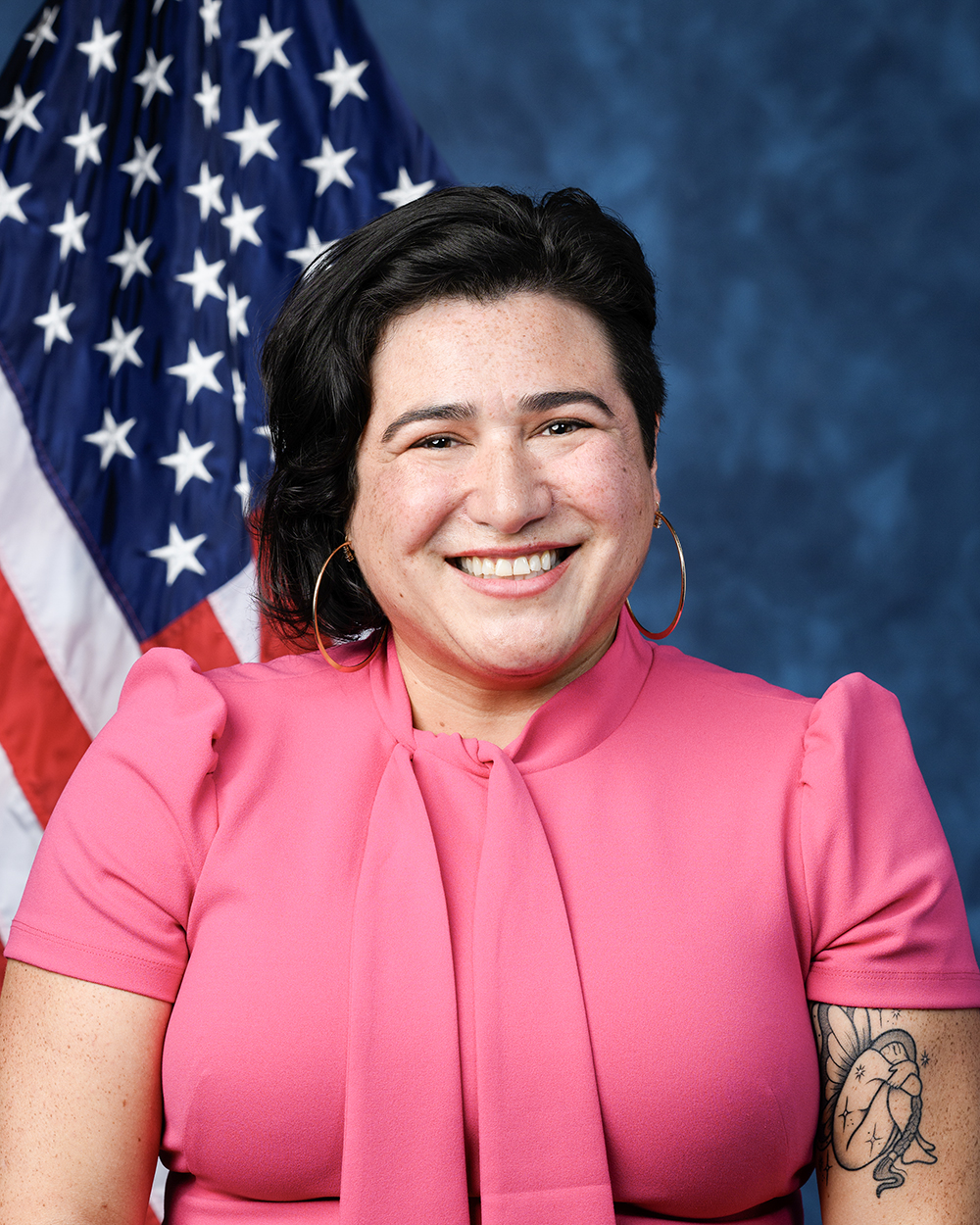
Rep. Emily Randall
Sponsored bills
Maddy summaryHR 7367, the TANF Hygiene Access Act, creates a 5-year federal demonstration program to help low-income households access essential hygiene products. The bill authorizes $25 million in the first year (increasing to $32.5 million by year 5) for competitive grants to states, tribes, or tribal organizations. These entities can use funds to distribute specific hygiene items - like soap, diapers, feminine products, and baby wipes - to low-income households, with no more than 15% of funds allowed for administrative costs. Grantees must report on metrics like geographic reach, families served, and distribution frequency, and the program requires a final report to Congress assessing whether a larger-scale program would be feasible.
Maddy summaryHR 7346, the Drain ICE Act of 2026, repeals specific funding provisions (sections 90003 and 100052) from the "One Big Beautiful Bill Act" and cancels all unspent funds allocated under those sections. This bill directly affects ICE’s detention budget by removing existing financial authority for detention operations. It does not change immigration enforcement practices or directly impact individuals; it solely modifies budgetary allocations. The bill focuses on eliminating funding mechanisms, not on policy changes for migrants or enforcement. (Procedural bill; summary limited to 2 sentences as specified.)
Maddy summaryHR 5658, the Child Care for Every Community Act, establishes a federal framework to create universal, high-quality child care and early learning programs available to all young children not yet required to attend school. The bill requires that covered children (children below compulsory school age) be entitled to participate in these programs, with no fees for low-income families and sliding-scale fees for others based on family income. Key provisions include requiring full-working-day, full-calendar-year care; setting national quality standards for staff qualifications and facilities; mandating comprehensive services including health, nutrition, and family support; and requiring coordination with schools to support children's transitions to kindergarten. The bill directly affects families seeking child care, child care providers, and local communities that would administer these programs through designated "prime sponsors."
Maddy summaryHR 7301, the Maximizing Transportation Efficiency Act, creates a dedicated $20 million annual grant program to fund transportation demand management (TDM) strategies in rural communities. It directly affects rural residents - particularly those with limited car access, elderly or disabled individuals, and low-income families - by supporting projects like vanpooling, carpooling, and trip-planning apps. The bill sets aside funds for eligible recipients (including state agencies, tribes, transit operators, and nonprofits) to develop TDM plans, run marketing campaigns, and implement tools such as real-time traveler systems. These provisions aim to improve rural mobility, reduce transportation costs, and increase access to jobs and essential services through concrete, existing infrastructure improvements.
Maddy summaryHJRES 144 is a congressional disapproval resolution targeting a specific rule issued by the Department of Veterans Affairs (VA) on December 31, 2025, which addressed "Reproductive Health Services" (90 Fed. Reg. 61310). This resolution directs Congress to disapprove the VA rule under Chapter 8 of Title 5, U.S. Code, meaning the rule would have no legal effect if passed. The bill directly affects the VA's implementation of reproductive health services for veterans, as it seeks to nullify the agency's existing policy. This is a procedural measure, not a substantive policy change, aimed solely at blocking the VA's rule through congressional action.
Maddy summaryThe Prison Libraries Act of 2026 establishes a federal grant program to fund library services in state and territorial correctional facilities, directly benefiting incarcerated individuals. It requires grantees (states/territories) to submit plans demonstrating need, including demographic data on prison populations, and prohibits using funds for non-library purposes like food or facility maintenance. Grant funds must support library services such as digital access, educational programming (including job training and post-secondary curriculum), literacy initiatives, and partnerships with public libraries. The program authorizes $10 million annually from 2026-2031, prioritizes measurable outcomes like increased literacy and post-release employment opportunities, and mandates free access to all library resources for incarcerated people.
Maddy summaryHR 7238 establishes a Commission to investigate historical discrimination against LGBTQ+ service members in the military, including policies that led to discharges and denied benefits. The Commission will gather testimonies from affected veterans and servicemembers, study impacts on mental health, benefits access, and force readiness, and recommend remedies like record corrections and compensation. This bill directly affects LGBTQ+ veterans and current service members who faced discharge or denial of care due to their sexual orientation or gender identity. The Commission must submit a final report to Congress within one year, outlining findings and proposed actions.
Maddy summaryHCONRES 68 would require the President to remove U.S. military forces from Venezuela unless Congress has explicitly authorized their use through a declaration of war or a specific law. This applies to any U.S. Armed Forces currently stationed in Venezuela without such authorization. The resolution is based on the War Powers Resolution, which mandates congressional oversight of military deployments. It directs the immediate withdrawal of unapproved forces without adding new time limits or conditions.
Maddy summaryHR 7190 would end immigration detention and electronic monitoring by requiring the immediate release of all detained noncitizens on their own recognizance within six months and repealing all federal laws authorizing detention. It prohibits using federal funds for detention facilities, ankle monitors, or immigration enforcement activities after specific deadlines (six months for monitors, two years for detention contracts). Instead, it establishes a new grant program to fund community-based wrap-around services - including housing, healthcare, mental health support, legal aid, and job training - provided voluntarily by non-profit organizations without surveillance or data sharing with federal agencies. The bill directly affects noncitizens currently held in detention or under electronic monitoring.