

Maddy summaryThe Savings for Servicemembers Act (HR 5844) lowers the required travel distance for tax deductions for reserve component members of the Armed Forces. It changes the Internal Revenue Code to reduce the minimum distance from home (100 miles to 50 miles) for qualifying travel expenses related to military duties. This adjustment directly affects reserve service members who travel for training or duty, allowing them to deduct more travel costs. The change applies to tax returns filed for 2023 and later years.
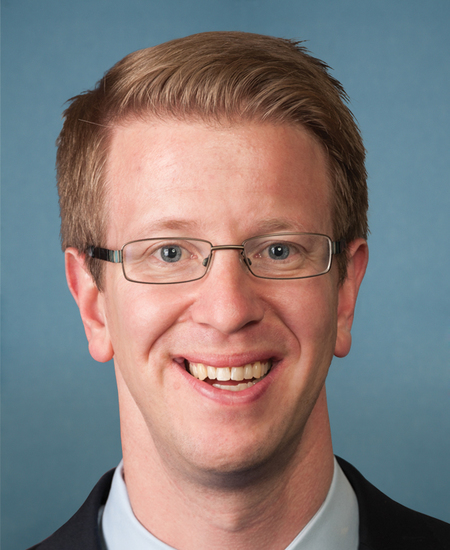
Rep. Derek Kilmer
Sponsored bills
Maddy summaryThe Mental Health Infrastructure Improvement Act of 2023 provides federal loans and loan guarantees to help build or improve mental health and substance use disorder treatment facilities. It prioritizes projects that increase psychiatric bed capacity in underserved areas, serve rural communities, or provide integrated care, with 25% of funds reserved specifically for pediatric facilities. Borrowers must contribute 25% of project costs from non-federal sources, and the program allocates up to $200 million annually for fiscal years 2024-2028. The bill includes specific terms for loan repayment, guarantee coverage, and requirements for eligible facility types that qualify for funding.
Maddy summaryThe NEWBORN Act creates a federal grant program to reduce infant mortality in the 50 U.S. counties with the highest rates, using $10 million annually from 2023-2027. It funds local health departments (including tribal, county, or state agencies) to design pilot programs addressing causes like preterm birth, maternal complications, and infant injuries through community assessments, outreach to at-risk mothers, and coordinated services such as postpartum care and smoking cessation. Grantees must report annually on program outcomes and methods, with no more than 10% of funds used for evaluation. The bill directly affects communities in high-mortality areas by supporting targeted, evidence-based interventions.
Maddy summaryThis bill directs the Secretary of Health and Human Services to create and implement a standardized graphic symbol indicating when language interpretation services and translated materials are available for healthcare. It affects healthcare providers, insurers, public health departments, and other entities serving people with limited English proficiency. The symbol must be simple, widely understood, and work across printed and digital formats, with research and community testing to guide its design. The Secretary must finalize the symbol within 18 months and develop an education plan to promote its use, while allowing it to replace current notice requirements if testing shows it improves access.
Maddy summaryHR 5667, the Pay Our Military Act, ensures continued pay and allowances for active-duty military members, reservists, Department of Defense civilians, and qualifying contractors during any government funding gap in fiscal year 2024. It appropriates funds from the Treasury to cover these payments if regular appropriations bills aren't passed before the end of the fiscal year. The funding automatically terminates once regular appropriations are enacted or by January 1, 2025, whichever comes first.
Maddy summaryThis bill replaces "Columbus Day" with "Indigenous Peoples’ Day" as the official federal holiday observed on the second Monday in October. It directly affects federal government operations and all federal documents, rules, or laws that previously referenced "Columbus Day" by automatically updating those references to "Indigenous Peoples’ Day" upon enactment. The key mechanism is a simple amendment to federal law (5 U.S.C. § 6103(a)) to change the holiday name and a provision ensuring all existing federal references to Columbus Day are legally treated as referring to Indigenous Peoples’ Day instead. This is a procedural change to federal holidays and references, not a new policy or program.
Maddy summaryThis bill requires the Department of Veterans Affairs (VA) to review all veteran suicides occurring between 2018-2023 (the five years before enactment) for veterans who received VA care. The review must analyze demographics, medications (including those with strong safety warnings like "black box" labels), prescribing patterns, mental health diagnoses, and facility-level data. The VA must complete the review within 18 months and publicly submit a detailed report to Congress and the public within 30 days of completion. This law directly affects veterans' families, VA healthcare providers, and policymakers by mandating transparency around suicide risk factors and prescribing practices.
Maddy summaryThis bill extends the funding period for the Distance Learning and Telemedicine Program from 2023 to 2028. It directly affects rural communities by ensuring continued access to telehealth services and educational programs through this existing federal initiative. The key provision is a simple amendment to the program's authorization date in existing law, without creating new requirements or altering the program's scope. The change ensures uninterrupted support for rural healthcare and education providers relying on this funding.
Maddy summaryThis bill amends the Higher Education Act to require all U.S. colleges and universities receiving federal financial aid to create detailed anti-harassment policies covering physical, online, and institution-sponsored settings. It mandates policies prohibiting harassment based on race, sex (including sexual orientation and gender identity), disability, religion, and other protected characteristics, including harassment via institutional email, computers, or electronic messaging. The bill also establishes a $50 million annual grant program to fund colleges developing prevention programs, victim support services, and training for students and staff on recognizing and addressing harassment. These policies and grants must comply with existing civil rights laws like Title IX but add specific requirements for reporting and prevention.
Maddy summaryHR 5652, the Stop Overdose in Schools Act, establishes a federal pilot program to help schools respond to opioid overdoses. It provides grants to school districts to train staff (like resource officers and nurses) in administering opioid reversal medications, purchase necessary kits, and raise awareness about opioid use disorder. The bill prioritizes rural schools (50% of grants) and districts in areas with high youth overdose rates (the other 50%). It also sets aside $5 million annually for fiscal years 2024 and 2025 to fund this program, requiring grant recipients to train designated school personnel in opioid reversal agent use.