

Maddy summaryThis bill prohibits distributing AI-generated audio or video that misrepresents a federal election candidate's speech or appearance in a way a reasonable person would believe was authentic, during election campaigns. It specifically bans such content when distributed with intent to influence votes or raise funds, affecting candidates, political committees, and entities involved in federal elections. Exceptions apply for news organizations (with clear authenticity disclaimers) and satirical content. Candidates can sue violators for damages or seek court orders to stop distribution, with the burden of proof on the plaintiff.
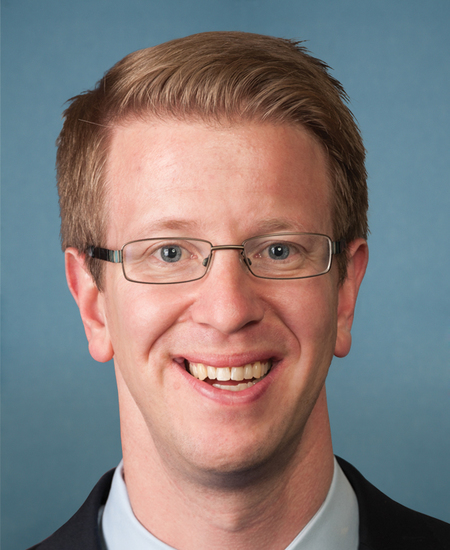
Rep. Derek Kilmer
Sponsored bills
Maddy summaryHRES 1206 is a symbolic House resolution supporting the designation of May 2024 as "Mental Health Awareness Month." It does not create new laws or funding but aims to raise public awareness about mental health challenges, emphasizing the need to reduce stigma and treat mental well-being as equally important as physical health. The resolution cites statistics on rising mental health crises - including increased anxiety, depression, and suicide rates among youth, LGBTQ+ individuals, veterans, and communities of color - to underscore the urgency of the issue. It encourages nationwide efforts to promote mental health awareness and access to care during this designated month.
Tribal Adoption Parity Act This bill allows Indian tribal governments to determine whether a child has special needs for purposes of the adoption tax credit.
Maddy summaryThe Tribal Tax and Investment Reform Act of 2024 creates tax parity for Indian tribal governments by extending various tax benefits currently available to states. The bill treats tribal governments similarly to states for excise taxes, bond issuance, pension plans, charitable organizations, child support enforcement, and adoption credits. It also establishes new tax credits for investments in tribal areas and clarifies exclusions for certain tribal programs like health service loan repayments and scholarships. This legislation directly affects Indian tribal governments, their citizens, and tribal organizations by addressing historical tax disadvantages and improving access to capital for economic development.
Maddy summaryHR 8231, the James Earl Jones Congressional Gold Medal Act, authorizes a Congressional Gold Medal to be awarded to actor James Earl Jones in recognition of his distinguished career in theater and film, and his role in advancing inclusion and equal opportunities for people of all backgrounds in the entertainment industry. The Treasury will strike the medal with an image and inscription of Jones, and may produce and sell bronze duplicates to cover costs, with proceeds deposited into the U.S. Mint's public enterprise fund. This bill serves as a ceremonial honor with no new legal requirements or policy changes.
Maddy summaryThe Captive Primate Safety Act prohibits the import, export, sale, transport, breeding, or possession of certain nonhuman primates - including chimpanzees, gorillas, monkeys, and their hybrids - in interstate or foreign commerce. It directly affects private owners, breeders, and commercial traders of these animals, with limited exceptions for pre-enactment animals (requiring registration with the U.S. Fish and Wildlife Service and restrictions on breeding/sale) and registered research facilities. The law amends the Lacey Act to add these primates to prohibited species lists, effective upon enactment, with regulations to be issued within 180 days. Enforcement remains active even if regulations are delayed, ensuring immediate prohibitions on commercial trade and possession.
Maddy summaryHRES 1177 designates May 5, 2024, as the "National Day of Awareness for Missing and Murdered Indigenous Women and Girls." The resolution expresses congressional support for this designation, calls on the public to commemorate affected individuals and show solidarity with families, and recommends the Department of Justice commission a new study on the crisis to update statistics since the 2016 report. It directly affects awareness efforts for Indigenous communities and families impacted by violence, while acknowledging ongoing gaps in addressing the crisis despite prior legislation like Savanna’s Act. The resolution does not create new laws or funding but focuses on recognition and data collection.
Maddy summaryHRES 1166 is a symbolic resolution expressing congressional support for Earth Day. It urges the President to issue an Earth Day proclamation, encourages Americans to take specific environmental actions (like addressing pollution and supporting indigenous stewardship), and calls for global efforts to advance climate goals. The resolution does not create new laws or directly affect any groups - it serves as a non-binding statement of support for environmental action. It references historical environmental milestones but focuses on reaffirming the need for year-round climate and environmental protection efforts.
Maddy summaryThis bill establishes a federal program to help low-income households pay water and wastewater bills. It targets households receiving certain federal benefits (like SNAP, SSI, or LIHEAP) or with income below 150% of the poverty level, defined by state-specific thresholds. The program provides grants to states and tribes based on poverty rates or high housing cost burdens, with $1.1 billion authorized, to cover arrearages and service rates for eligible households. Funds cannot replace existing assistance but may supplement other programs, and the program will transfer to the EPA after a specified date.
Maddy summaryHR 8061, the Crime Victims Fund Stabilization Act of 2024, ensures stable funding for the Crime Victims Fund by directing certain False Claims Act collections into it from 2024 through 2029. Specifically, it adds a provision requiring that amounts collected under the False Claims Act (excluding whistleblower rewards and government reimbursement for damages) be deposited into the fund during this period. This directly affects crime victims who rely on the fund for services like counseling and emergency aid, as it prevents potential shortfalls in funding. The bill makes a concrete policy change by redirecting specific federal civil penalties into the fund, rather than altering the fund's existing purposes or eligibility rules.