

This bill authorizes the Department of Commerce to award competitive grants to Indian tribes to further achievement of tribal coastal zone objectives. Specifically, these tribal coastal zone objectives include protecting, restoring, or preserving areas in the zone that hold important ecological, cultural, or sacred significance for the tribes or traditional, historic, and aesthetic values essential to the tribes; preparing and implementing a special area management plan and technical planning for important coastal areas; and implementing any coastal or shoreline stabilization measure for the purpose of public safety, public access, or cultural or historical preservation.
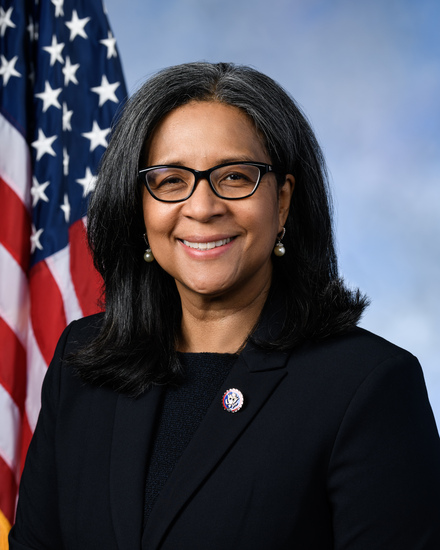
Rep. Marilyn Strickland
Sponsored bills
Prevent All Soring Tactics Act of 2022 or the PAST Act of 2022 This bill addresses the practice of soring horses. The soring of horses includes various actions taken on horses' limbs to produce higher gaits that may cause pain, distress, inflammation, or lameness. Specifically, the bill expands soring regulation and enforcement at horse shows, exhibitions, sales, and auctions, including by establishing a new system for inspecting horses for soring. In addition, the bill increases penalties for violations.
Norman Y. Mineta Japanese American Confinement Education Act This bill increases the authorization of appropriations for the Japanese American Confinement Sites (JACS) grant program, which supports the preservation of U.S. confinement sites that were used to detain Japanese Americans during World War II (i.e., internment camps). It also establishes a program within JACS to provide grants to Japanese American nonprofits to educate individuals about the historical significance of these events.
Healthy Meals, Healthy Kids Act This bill reauthorizes and expands (1) child nutrition programs, including the National School Lunch Program (NSLP) and other institutional food service programs; and (2) the Special Supplemental Nutrition Program for Women, Infants, and Children (WIC).
This concurrent resolution expresses opposition to the application of criminal laws to pregnancy outcomes and affirms that people deserve access to high-quality health care without fear of reprisal or punishment.
Maddy summaryHJRES 53 proposes a constitutional amendment to ban slavery and involuntary servitude as a criminal punishment. Currently, the 13th Amendment to the U.S. Constitution permits such punishments for crimes, creating a legal loophole. If ratified by 3/4 of state legislatures, this amendment would eliminate that exception nationwide, making it unconstitutional to impose forced labor or slavery as part of criminal sentences. The change would directly affect all states' criminal justice systems, particularly prison labor practices, by prohibiting these punishments for any offense.
This resolution expresses the sense of the House of Representatives that (1) lesbian, gay, bisexual, transgender, queer, intersex, and asexual (LGBTQIA+) rights are human rights and protected by the U.S. Constitution; (2) LGBTQIA+ Pride Month should be celebrated; and (3) all Americans should be treated equally regardless of sexual orientation or gender identity.
This resolution expresses the sense of the House of Representatives that the proposed constitutional amendment known as the Equal Rights Amendment has been duly proposed by Congress and ratified by the states and is therefore valid as the Twenty-Eighth Amendment to the Constitution. (The proposed amendment prohibits the United States or any state from denying or abridging equal rights under the law on account of sex.)
Maddy summaryHRES 798 is a symbolic House resolution expressing the sense of Congress about the link between firearm violence and intimate partner violence, honoring victims like Gladys Ricart. It cites statistics showing firearms are used in 59% of intimate partner homicides, with women facing a 5x higher risk of being killed when an abusive partner has access to a gun. The resolution recommends specific policy actions, including strengthening background checks, restricting firearm access for those subject to domestic violence restraining orders, and supporting research on the disproportionate impact on Black, American Indian/Alaska Native, and Hispanic women. It does not create new law but urges Congress to advance related legislation like the Zero Tolerance for Domestic Abusers Act. The resolution directly addresses the intersection of firearms and intimate partner violence affecting millions of women, particularly in marginalized communities.
Maddy summaryHRES 507 is a non-binding House resolution condemning legislative actions and violence targeting transgender and nonbinary individuals. It references 2021 state bills restricting transgender youth access to gender-affirming medical care, sports participation, and public facilities, alongside statistics on rising violence (44 transgender killings in 2020) and mental health impacts. The resolution formally condemns discriminatory legislation and violence, remembers victims of transphobic hate, and commits to advocating for the community’s safety. As a symbolic resolution - not a law - it expresses congressional disapproval but does not create new policies or alter existing laws.