

Maddy summaryHRES 1166 is a symbolic resolution expressing congressional support for Earth Day. It urges the President to issue an Earth Day proclamation, encourages Americans to take specific environmental actions (like addressing pollution and supporting indigenous stewardship), and calls for global efforts to advance climate goals. The resolution does not create new laws or directly affect any groups - it serves as a non-binding statement of support for environmental action. It references historical environmental milestones but focuses on reaffirming the need for year-round climate and environmental protection efforts.
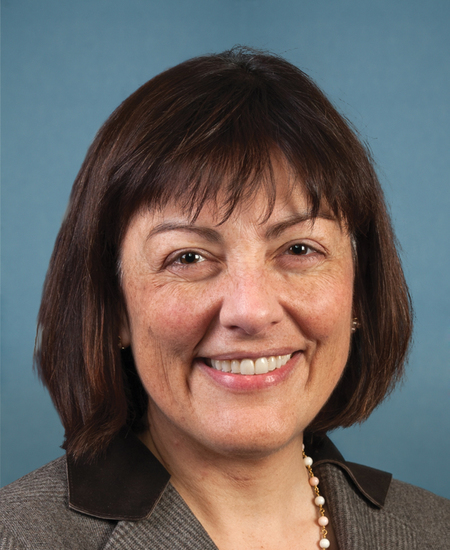
Rep. Suzan K. DelBene
Sponsored bills
Maddy summaryHR 8061, the Crime Victims Fund Stabilization Act of 2024, ensures stable funding for the Crime Victims Fund by directing certain False Claims Act collections into it from 2024 through 2029. Specifically, it adds a provision requiring that amounts collected under the False Claims Act (excluding whistleblower rewards and government reimbursement for damages) be deposited into the fund during this period. This directly affects crime victims who rely on the fund for services like counseling and emergency aid, as it prevents potential shortfalls in funding. The bill makes a concrete policy change by redirecting specific federal civil penalties into the fund, rather than altering the fund's existing purposes or eligibility rules.
Maddy summaryHR 5530, the VA Emergency Transportation Access Act, prevents the Department of Veterans Affairs (VA) from lowering payment rates for specialized transportation used by veterans and eligible individuals (like ambulances or wheelchair vans) without strict requirements. It mandates that any rate change that could reduce access to care must first undergo a detailed review analyzing economic impacts on the VA and transportation industry, and ensure the new rate covers actual costs. The VA must also develop a formal process for rate changes and consult with industry experts, veterans' groups, and healthcare agencies before implementing such changes. This bill directly affects veterans relying on specialized transportation for medical care, particularly those in rural or underserved communities, by safeguarding their access to necessary emergency transport services.
Maddy summaryHR 3303, the Maternal Health for Veterans Act, requires the Department of Veterans Affairs (VA) to annually report on maternity care coordination programs and maternal health outcomes for veterans receiving care through VA facilities or VA-contracted providers. The bill mandates the VA to collect data on maternal outcomes - including disparities affecting high-risk demographic groups - and submit recommendations to Congress by September 2028. It authorizes $15 million annually (2024-2028) for VA maternity care coordination programs, supplementing existing funding without reducing current resources. The law directly affects veterans using VA maternity services, aiming to improve care through data-driven strategies.
Maddy summaryHR 2560 establishes a federal grant program to fund sea turtle rescue and rehabilitation efforts. The program, administered by the Commerce Secretary, provides grants to organizations in designated coastal "stranding regions" for activities like rescuing stranded turtles, providing medical care, collecting research data, and covering related facility costs. Grants are capped at $150,000 per year per recipient, require a 50% non-federal cost match, and must be distributed equitably based on past stranding events and species conservation needs. The bill authorizes $5 million annually (2024-2029) for this program, directly supporting coastal rescue groups, research institutions, and conservation organizations working with stranded marine turtles.
Maddy summaryHRES 1124 is a non-binding resolution designating the last Tuesday of April each year as "APOL1-Mediated Kidney Disease (AMKD) Awareness Day." It specifically aims to raise public awareness about a genetic condition (AMKD) that disproportionately affects Black Americans, as approximately 13% of Black people carry high-risk APOL1 gene variants linked to a 1-in-5 chance of developing kidney disease. The resolution encourages individuals with African ancestry to consider genetic testing and adopt preventive health measures like regular doctor visits and healthy lifestyles to reduce kidney failure risk. It does not create new programs or funding but seeks to highlight existing health disparities and promote early intervention.
Maddy summaryThe STAGE Act establishes a federal grant program to support professional nonprofit theaters. Eligible theaters (nonprofits producing live performances with fair wages, 3+ years of programming, and financial need or community focus) can receive grants covering payroll, facility repairs (prioritizing accessibility), marketing, and workforce training. Grants max out at $16 million per entity or 20% of its prior year's expenses, with $1 billion annually allocated for 2024-2028. The bill also mandates a federal study on sustaining the nonprofit arts sector, including input from artists and community stakeholders.
Maddy summaryThis bill would create a new Advisory Committee on LGBTQ Veterans within the Department of Veterans Affairs. The committee would include representatives from LGBTQ veterans (with specific requirements for transgender, bisexual, and recently separated veterans), health care experts, and Department officials, and would meet at least twice yearly. It would assess the needs of LGBTQ veterans regarding benefits, health care, and outreach, then submit biennial reports to the Secretary of Veterans Affairs and Congress with recommendations for improvements. These reports would directly inform how the Department addresses gaps in services for this community.
Maddy summaryHR 7839, the Prioritizing Digital Infrastructure Financing Act, requires the U.S. International Development Financing Corporation (DFC) to prioritize funding for digital infrastructure projects that increase connectivity in countries with the greatest need, while emphasizing high standards for data security and user privacy. The bill mandates that DFC consider projects supporting voice/data networks and align with existing DFC authorities under section 1421(a). It also requires the DFC to submit an annual report identifying regions needing digital infrastructure investment, countries where such investment promotes data security, and coordination efforts with partner governments. This bill directly affects how the DFC allocates its funds for international digital projects, focusing on equitable access and human rights protections.
Maddy summaryHR 7770, the Rosie the Riveter Commemorative Coin Act, authorizes the U.S. Mint to produce and sell three commemorative coins honoring women who worked on the U.S. home front during World War II. It specifies $5 gold coins (max 50,000), $1 silver coins (max 400,000), and half-dollar coins (max 750,000), all to be issued between January 1, 2025, and December 31, 2025. Each coin sale includes a surcharge ($35 for gold, $10 for silver, $5 for half-dollar), with all surcharge funds directed to the Rosie the Riveter Trust for maintaining the Rosie the Riveter WWII Home Front National Historical Park and educational programs. The coins will feature designs reflecting the legacy of diverse women workers and must meet specific weight, diameter, and composition standards.