

Maddy summaryThe EXPERTS Act of 2025 requires agencies to disclose funding sources and potential conflicts of interest for studies submitted during rulemaking, including who funded research and any financial relationships that might influence findings. It establishes an Office of the Public Advocate within the Office of Management and Budget to assist public participation in rulemaking, conduct social equity assessments, and improve outreach to underrepresented groups. The bill also mandates that agencies consider social equity impacts when creating rules and requires detailed explanations for withdrawing proposed regulations. These provisions aim to increase transparency, inclusivity, and accountability in the federal regulatory process.
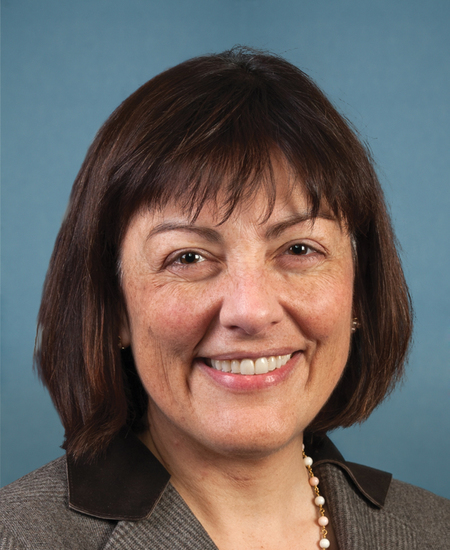
Rep. Suzan K. DelBene
Sponsored bills
Maddy summaryHR 6056, the International Human Rights Defense Act of 2025, establishes a permanent Special Envoy at the State Department to lead U.S. foreign policy efforts addressing discrimination and violence against LGBTQI+ people globally. The bill requires the U.S. government to develop and update a biannual global strategy to prevent criminalization and violence against LGBTQI+ individuals, mandate detailed reporting on such abuses in annual country reports, and ensure all U.S. foreign assistance programs include inclusive nondiscrimination policies. This legislation directly affects U.S. foreign policy implementation, federal agencies receiving funding, and LGBTQI+ communities facing persecution worldwide. The bill aims to coordinate U.S. government efforts across departments and with international partners to advance LGBTQI+ rights globally through concrete policy mechanisms.
Maddy summaryHR 5940, the Seniors Deserve SMARTER Care Act of 2025, prohibits the implementation of the Medicare WISeR model (described in a July 2025 federal notice). The bill specifically blocks the Secretary of Health and Human Services from using the WISeR model, which would have required prior authorization for certain medical services under Medicare. This directly affects Medicare beneficiaries and healthcare providers who would have been subject to the model's requirements. The key provision is a clear ban on implementing WISeR or any substantially similar payment model, preventing changes to Medicare's service authorization process. The bill does not create new programs but stops a specific proposed Medicare policy change.
Maddy summaryThis bill, HR 5973, requires federal immigration enforcement personnel to follow strict limits on force use, including proportional application, mandatory de-escalation efforts, and prohibitions on equipment like flash bangs or rubber bullets except for specific public safety threats. It mandates body-worn and vehicle cameras for all operations, with footage retained for one year (three years for force incidents or complaints), and grants affected individuals the right to inspect recordings. The law also requires annual training on force policies, First Amendment compliance, and racial bias avoidance, while demanding detailed quarterly reports to Congress on force usage, assaults on agents, and equipment approvals. These provisions directly affect all federal immigration agents conducting enforcement actions, aiming to increase transparency and accountability during operations.
Maddy summaryThe American Energy Independence and Affordability Act extends multiple clean energy tax credits that were set to expire between 2025 and 2026. It specifically extends residential clean energy credits through 2034, clean electricity investment credits for wind and solar through 2032, and clean vehicle credits for electric vehicles through 2032. The bill also reinstates special rates for sustainable aviation fuel and modifies requirements for energy-efficient home improvements. These provisions directly affect homeowners installing solar panels, businesses investing in clean energy infrastructure, and manufacturers producing clean energy equipment.
Maddy summaryHRES 833 is a non-binding resolution passed by the U.S. House of Representatives to honor Dr. Jane Goodall, a renowned primatologist, conservationist, and advocate for wildlife protection. The resolution recognizes her groundbreaking chimpanzee research at Gombe Stream, her founding of the Jane Goodall Institute and Roots and Shoots program (which engages youth in environmental action globally), and her decades-long advocacy for ethical animal treatment and conservation. It commemorates her legacy following her passing on October 1, 2025, and extends condolences to her family and affiliated organizations. This resolution has no legal effect but serves as a symbolic tribute to her global environmental impact.
Maddy summaryThis symbolic resolution (HRES 821) calls for recognizing October 2025 as "National Dyslexia Awareness Month" to highlight dyslexia's impact. It urges Congress, schools, and educational agencies to acknowledge dyslexia's educational challenges - defined as a learning disability affecting reading due to phonological processing issues - and support early screening and intervention. The resolution does not create new laws or funding but aims to raise awareness about dyslexia, which affects 1 in 5 people and requires evidence-based support for academic success. It follows existing federal recognition of dyslexia in the First Step Act (2018) and emphasizes the need for accommodations to address the achievement gap.
Maddy summaryHR 5791, the BLOOD Centers Act, creates a 30-day expedited approval process for blood centers seeking to add apheresis collection devices to existing biologics licenses. It directly affects blood centers operating under FDA biologics licenses that already manage multiple locations or hold accredited status. The bill requires the FDA to approve such applications within 30 days unless safety concerns exist at the specific location or the center has systemic safety failures elsewhere. This streamlines the process for expanding blood collection capabilities without compromising safety standards.
Maddy summaryHRES 809 is a symbolic resolution expressing the House of Representatives' support for designating the second Monday in October 2025 as "Indigenous Peoples' Day." It does not create new law or directly affect any individuals or communities, but rather encourages the public to observe this day through ceremonies celebrating Indigenous history and culture. The resolution highlights existing local and state observances (over 200 municipalities and 17 states) and notes that Columbus Day currently does not honor Indigenous contributions. It urges Americans to recognize Indigenous Peoples' enduring legacy and cultural impact, while supporting the eventual designation of this day as a Federal holiday.
Maddy summaryHR 5736, the PAVE Act, requires Medicare beneficiaries aged 65 and older to receive penicillin allergy verification during their initial preventive physical exam and annual wellness visit. The bill mandates that healthcare providers identify patients reporting a penicillin allergy, evaluate whether the reported reaction was a true allergy, explain the health risks of a false allergy label, and refer to specialists when needed. This verification process, effective January 2027, aims to correct false allergy labels - over 90% of which are inaccurate - improving antibiotic choices and patient outcomes. It directly affects seniors covered by Medicare who have self-reported penicillin allergies, with no cost to patients for this service.