

Maddy summaryThis bill authorizes a Congressional Gold Medal to honor the "Hello Girls" - female telephone operators who served in the Army Signal Corps during World War I. They provided critical battlefield communications in France (connecting 26 million calls), wore military uniforms, and faced combat risks, but were denied veteran benefits for 60 years due to being classified as civilian contractors. The medal recognizes their pioneering service, devotion, and the decades-long struggle to gain military recognition. The award follows similar recognition for other WWII women veterans and aims to correct the historical injustice they faced.
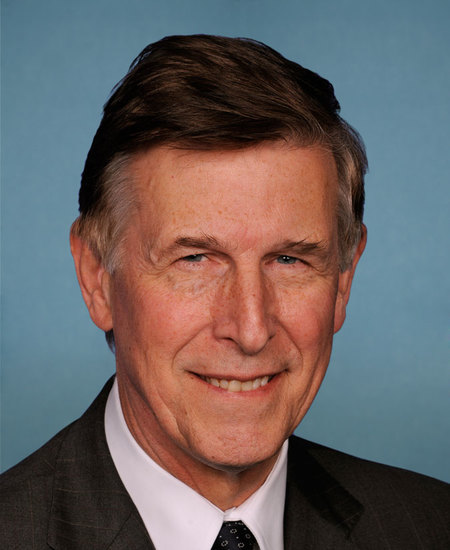
Rep. Donald S. Beyer, Jr.
Sponsored bills
Maddy summaryThe SVB Act (HR 1602) repeals Title IV of the 2018 Economic Growth, Regulatory Relief, and Consumer Protection Act, which had relaxed banking regulations. It directly affects banks previously subject to those relaxed rules, particularly smaller institutions that benefited from the 2018 changes. The bill’s key mechanism is restoring the pre-2018 regulatory framework, reversing the specific provisions that eased oversight. This returns banking oversight to the structure that existed before the 2018 law took effect, without creating new rules.
Maddy summaryHR 1499, the Good Jobs for Good Airports Act, requires airports receiving federal funding to pay covered service workers a minimum wage of at least $15 per hour (or higher if state/local laws or federal standards require it) and provide minimum fringe benefits. It directly affects workers in specific airport roles like security, ticketing, concessions, cleaning, and ramp services at small, medium, or large hub airports. The bill mandates annual certification from airport operators to verify compliance with these wage and benefit standards, tied to eligibility for federal airport grants under the Infrastructure Investment and Jobs Act. It does not override stricter state or local laws but ensures minimum standards for workers supporting airport operations.
Maddy summaryThe Paycheck Fairness Act (HR 17) strengthens equal pay protections by amending the Fair Labor Standards Act. It prohibits pay discrimination based on sex, pregnancy, childbirth, sexual orientation, gender identity, and sex characteristics. The bill modifies employer defenses for pay differences to require demonstration that any disparity is job-related, consistent with business necessity, and accounts for the entire pay differential. It also prohibits employers from relying on wage history when making hiring decisions or setting pay, enhances penalties for violations, and requires the EEOC to collect compensation data disaggregated by sex, race, and national origin.
Maddy summaryHCONRES 22 is a symbolic resolution recognizing the persistent gender pay gap in the U.S., documenting that women earn significantly less than men across racial groups (e.g., Black women earn 67 cents for every dollar earned by White men). It highlights the economic impact of this disparity, noting women lose over $958 billion annually in wages and face barriers like occupational segregation and workplace harassment. The resolution does not create new laws or policies but formally acknowledges the issue and reaffirms Congress’s commitment to addressing the gap. It references specific Equal Pay Days (e.g., March 14 for all women) to underscore the time women must work to earn what men did the previous year.
Maddy summaryHR 1483 repeals multiple tax provisions benefiting oil and gas companies, effective for taxable years beginning after December 31, 2022. It eliminates credits for marginal wells, enhanced oil recovery, and intangible drilling costs; ends percentage depletion allowances for oil/gas; and prohibits LIFO accounting for major integrated oil producers (defined as companies with >500,000 barrels daily crude production). The bill also removes deductions for tertiary injectants, special passive loss rules, and qualified business income deductions for oil/gas activities. These changes directly affect oil and gas producers by reducing their tax advantages, without creating new taxes or subsidies.
This resolution calls for the federal government to establish a national biodiversity strategy, which must include a goal of conserving at least 30% of U.S. lands and waters to protect biodiversity and address climate change by 2030 and other goals necessary to reduce the threats to biodiversity.
Long COVID Response is Care Optimized and Vitally Essential Resources that Yield New Opportunities for Wellness Act or the Long COVID RECOVERY NOW Act This bill establishes grants and requires actions to support treatment, research, and other efforts to address Long COVID (persistent, long-term symptoms following recovery from acute COVID-19 infection). Specifically, the bill establishes grants for treating individuals with Long COVID. These include grants for certain health clinics and primary care providers to treat patients, including by addressing food insecurity and other social needs that could interfere with treatment; health care providers or public health departments to set up or expand specialized clinics or programs using a multidisciplinary approach; and primary care providers to support the development of evidence and other resources related to treatments. The bill also establishes grants for Long COVID patient registries and research on Long COVID in pediatric populations. Additionally, the Office of the National Coordinator for Health Information Technology must convene stakeholders to identify best practices to make de-identified data related to Long COVID available to researchers. The office must also recommend policies for data standardization and related approaches to further a greater understanding of Long COVID. Further, the Department of Health and Human Services must (1) set up a website to educate health care providers and the public about Long COVID, and (2) issue guidance on ways to assist individuals with Long COVID through Medicaid and the Children's Health Insurance Program (CHIP). The bill also expands access for treating Long COVID through Medicaid, CHIP, and the Community Mental Health Services Block Grant.
Maddy summaryHR 1301, the Federal Employees Civil Relief Act, protects federal workers and contractor employees during government shutdowns. It temporarily halts enforcement of rent, mortgage, student loan, tax, insurance, and other civil obligations for workers who are furloughed or working without pay during a shutdown. The law creates a 30-day "covered period" starting when a shutdown begins, requiring courts to pause proceedings or adjust obligations to prevent evictions, foreclosures, or penalties. This applies to all federal workers, including those employed by contractors, and covers specific financial obligations without affecting criminal cases or child support.
Maddy summaryThe Military Spouse Hiring Act expands the Work Opportunity Tax Credit to include military spouses. Employers who hire a spouse of an active-duty military member - certified by a local agency as meeting eligibility requirements on the hiring date - can claim this tax credit. The credit reduces the employer's federal tax liability for hiring such individuals. This provision applies to new hires after the bill's enactment date.