

Maddy summaryThe SAFE Act of 2023 extends a 2018 law that prohibits slaughtering animals for human consumption to include horses, donkeys, and other equine animals, such as ponies. It amends Section 12515 of the Agriculture Improvement Act of 2018 by updating the language to replace "dog or cat" with "dog, cat, or equine" in both the section title and the main prohibition. This change directly affects the livestock industry and slaughter facilities by banning the processing of equines for food. The bill modifies existing law without adding new enforcement mechanisms, closing a gap in animal protection.
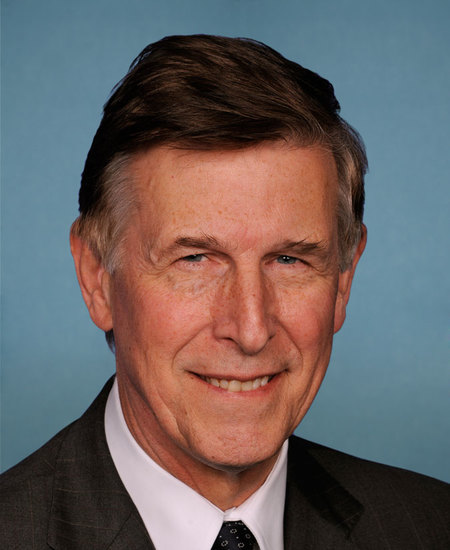
Rep. Donald S. Beyer, Jr.
Sponsored bills
Maddy summaryThe COVER Act of 2023 establishes the "Good Steward Cover Crop Program," which provides farmers with an additional $5 per acre in premium subsidies for planting qualifying cover crops (like grasses, legumes, or brassicas) on land where they also grow cash crops and maintain crop insurance. This directly affects farmers enrolled in federal crop insurance programs, particularly underserved producers, by reducing their insurance costs when adopting conservation practices. The program requires annual reporting of acreage and allocates $60 million for fiscal year 2024, increasing annually to $84 million by 2028, with a portion reserved for outreach and technical support. A separate soil health pilot program also allows farmers using innovative soil practices to access additional premium subsidies through reinsurance arrangements.
Maddy summaryHJRES 76 proposes renaming the Robert E. Lee Memorial in Arlington National Cemetery to the "Arlington House National Historic Site." This procedural bill would replace all official references to the memorial with the new name and repeal two prior resolutions (1955 and 1972) that established the memorial. The change affects how the site is identified in federal laws, documents, and records but does not alter its management or historical significance. The bill focuses solely on the official designation, not on policy changes or historical interpretation.
Maddy summaryThe Equality Act (HR 15) would amend federal civil rights laws to explicitly prohibit discrimination based on sexual orientation and gender identity in public accommodations, housing, employment, credit, and jury service. It amends the Civil Rights Act of 1964 to include sexual orientation and gender identity as protected characteristics under existing sex discrimination provisions. The bill would require businesses, housing providers, employers, and government entities to provide equal access and services without regard to a person's sexual orientation or gender identity. It includes specific definitions for gender identity and sexual orientation to clarify protections across all covered areas. The law would apply to all entities covered by the Civil Rights Act of 1964, including those receiving federal funding.
Multiple Firearm Sales Reporting Modernization Act of 2023 This bill expands reporting requirements with respect to sales or dispositions of multiple firearms. Currently, a federal firearms licensee (e.g., a gun dealer) must report multiple sales or dispositions of pistols or revolvers to the same person within five business days. This bill requires a federal firearms licensee to report multiple sales or dispositions of any firearms to the same person within five business days.
Maddy summaryHR 4178, the Quiet Communities Act of 2023, reestablishes the Environmental Protection Agency's (EPA) Office of Noise Abatement and Control, which was defunded in 1982. The bill directly affects communities exposed to harmful noise pollution from sources like aircraft, traffic, and highways, impacting millions with hearing impairments or health risks. Key mechanisms include authorizing $25 million annually for the EPA office to provide technical assistance and grants to states for local noise control programs, fund national research on noise health impacts, and conduct a study on aircraft noise effects. The bill also repeals outdated provisions from the 1970 Noise Control Act to modernize the EPA's role in addressing noise pollution.
Maddy summaryHR 4121, the Right to Contraception Act, establishes a federal statutory right for individuals to access contraceptives and contraception services without government restriction or coercion, directly affecting all people seeking reproductive care and health care providers. The bill prohibits state or federal laws that limit access to contraceptives (defined broadly to include devices, drugs, and fertility methods), prevent individuals from obtaining or using them, or allow providers to refuse services based on personal beliefs. It preempts conflicting state laws, requires any restrictions to be justified by "clear and convincing evidence" of advancing access with no less restrictive alternative, and allows private lawsuits to challenge violations. The Act applies nationwide to all health care providers and individuals, protecting access regardless of factors like race, income, or location.
Maddy summaryHCONRES 43 authorizes the Greater Washington Soap Box Derby Association to host a public soap box derby race on the Capitol Grounds on June 17, 2023. The event must be free and open to all visitors without disrupting congressional operations, and the sponsor covers all costs and liabilities. The Architect of the Capitol and Capitol Police will enforce existing rules on the grounds, including restrictions on sales, advertising, and other activities during the event.
Maddy summaryThis symbolic resolution (HRES 517) expresses congressional support for the existing tradition of observing the third Sunday in June as "Father's Day," which has been recognized since 1972. It acknowledges fathers' roles in families and society, citing statistics about fatherhood in the U.S. The resolution specifically urges support for policies like universal paid family leave, affordable childcare, and a permanent child tax credit - though these are framed as recommendations, not new laws. It does not create new legal requirements or change the Father's Day designation itself.
Maddy summaryThis bill expands funding eligibility for graduate programs at Historically Black Colleges and Universities (HBCUs) and Predominantly Black Institutions (PBIs) under the Higher Education Act. It adds new criteria allowing HBCUs and PBIs offering qualified master's degree programs (that weren't previously covered) to access existing funding streams. Specifically, it modifies funding formulas to direct unused funds toward these institutions after other allocations, adjusting the wording for how leftover funds are distributed. The change directly affects qualifying HBCUs and PBIs seeking to strengthen their graduate education programs.