

Maddy summaryThis bill extends existing whistleblower protections to workers on all contracts funded by the Department of Housing and Urban Development (HUD). It applies Section 4712 of U.S. law - which prohibits retaliation against employees reporting fraud or waste - to every HUD contract, subcontract, grant, or personal services agreement, regardless of when the contract was signed. This means employees working on HUD-funded projects can now seek legal protection if they face retaliation for raising concerns about misconduct. The law directly affects HUD contractors and their employees by ensuring they have the same legal safeguards as other federal contract workers.
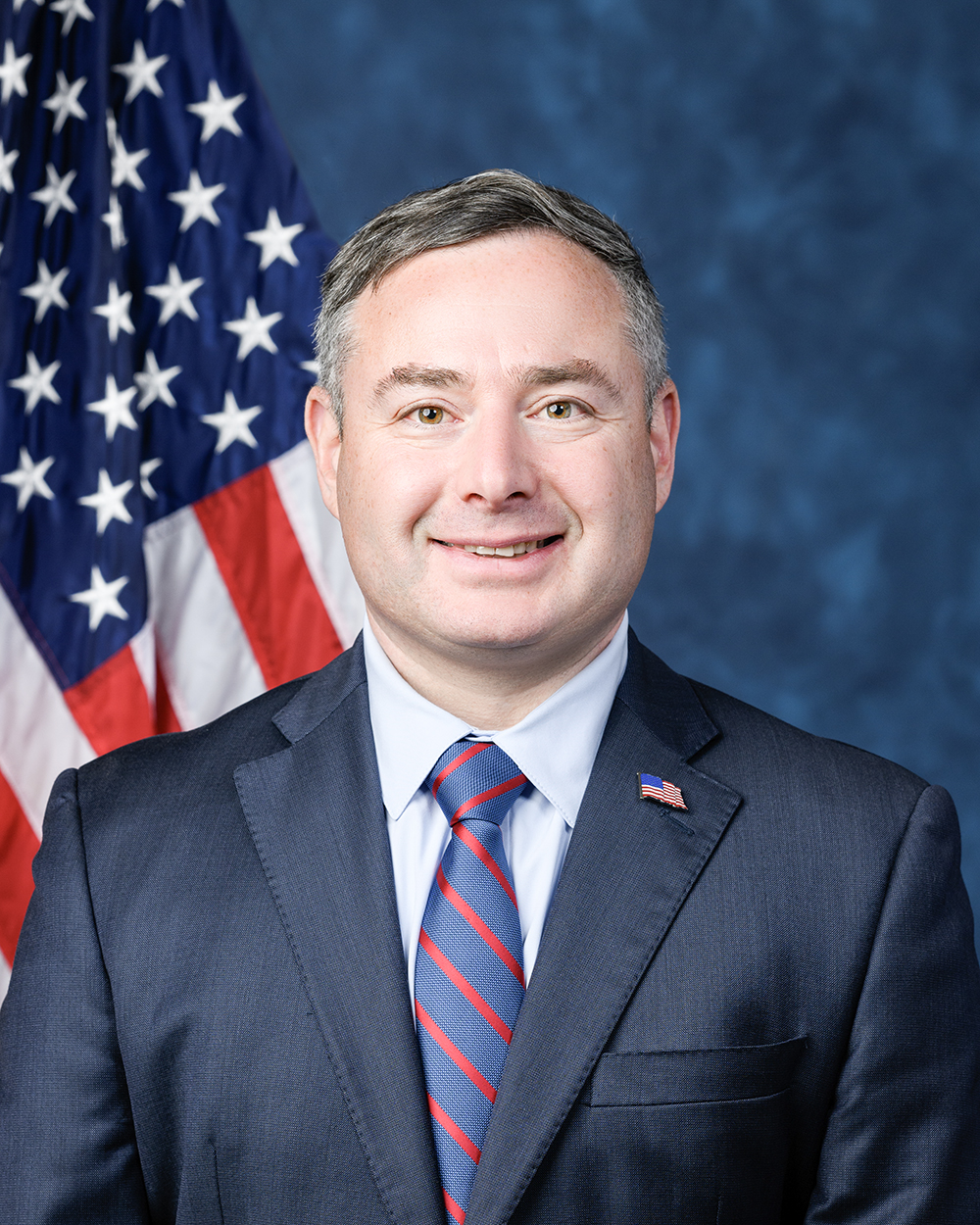
Rep. Eugene Simon Vindman
Sponsored bills
Maddy summaryHR 2805, the PLAN for Broadband Act, requires the federal government to create a National Strategy to Close the Digital Divide within one year of enactment. This strategy must coordinate all federal broadband programs, streamline permitting for infrastructure installation on federal property, and reduce administrative burdens for state, local, and Tribal governments participating in these programs. The bill mandates a follow-up Implementation Plan within 120 days, including accountability measures, common data standards for funding, and regular congressional briefings. The strategy and plan aim to reduce program duplication, improve efficiency, and address gaps in broadband access, particularly for underserved communities and Tribal lands, with oversight from the Government Accountability Office.
Maddy summaryThe Sell Your Stocks or Step Down Act would prohibit high-ranking federal officials, including the President, Vice President, Members of Congress, senior executive branch employees, and federal judges, from directly or indirectly owning or trading most stocks, commodities, futures, and digital assets. To comply with these rules, covered individuals must sell their existing eligible investments at fair market value within 30 days of taking office or the bill's enactment, though they may keep diversified mutual funds, government bonds, and certain other specific holdings. The legislation establishes strict penalties for non-compliance, including daily fees that can reach up to 50 percent of the value of the remaining portfolio and mandatory disgorgement of any profits made from illegal trades. These fines must be paid out of personal funds rather than government resources, with all collected penalties deposited into the Treasury specifically for deficit reduction.
Maddy summaryThe Federal Worker Protection Act aims to prevent federal agencies from using non-disclosure agreements (NDAs) to chill whistleblowing by requiring all such contracts to include a prominent notice of employees' rights to report wrongdoing to oversight bodies like Congress and Inspectors General. The bill mandates that the Office of Special Counsel pre-approve NDA templates and establishes a private right of action allowing employees to sue for damages if they face retaliation based on protected disclosures. Additionally, it grants Inspectors General the authority to block non-compliant NDAs and provides them with specific protections against removal for issuing negative certifications regarding agency practices.
Maddy summaryHR 1869 creates a new DOJ task force within the Criminal Division to investigate and prosecute international trade crimes, such as customs evasion, smuggling, and trade-based money laundering. It requires the DOJ to hire specialized prosecutors, coordinate with agencies like U.S. Customs and Border Protection, and focus on specific violations covered under statutes like 18 U.S.C. §§ 541-546 and 21 U.S.C. § 331. The bill authorizes $20 million in funding for fiscal year 2026 (with 80% dedicated to criminal prosecutions), mandates annual reports to Congress on enforcement activities, and requires the DOJ to develop multi-agency partnerships to address these crimes. This directly affects federal prosecutors, border enforcement agencies, and industries impacted by trade violations.
Maddy summaryThis bill amends federal law to allow certain prior active duty service as a regular member of an Armed Force to count toward the reduced eligibility age for retirement in the reserve components. The change directly affects members of the Ready Reserve who have served on active duty, enabling them to qualify for retirement benefits at an earlier age than previously permitted under current rules. The legislation applies retroactively to qualifying service performed after January 28, 2008, ensuring that past service is recognized for these retirement calculations.
Maddy summaryThe National Archives Protection Act amends federal law to restrict the Archivist of the United States from closing existing record centers or imposing unreasonable limits on public access to them. It also prevents the Archivist from reconstructing, converting, or rehabilitating these facilities if such work would require moving records for more than 180 days. These provisions directly affect the National Archives and Records Administration by limiting its ability to consolidate or modify its physical storage infrastructure.
Maddy summaryThe Local Communities & Bird Habitat Stewardship Act of 2025 establishes the Urban Bird Treaty Program, which provides grants and technical assistance to local groups - including cities, nonprofits, community organizations, and academic institutions - to protect and restore urban bird habitats. Key provisions include funding for habitat restoration (e.g., removing invasive species and planting native plants), reducing urban bird hazards, and engaging communities in monitoring and education. The program, administered by the National Fish and Wildlife Foundation, authorizes $1 million annually from 2026 to 2032 for projects focused on conserving urban bird populations through collaborative local efforts. It directly affects communities seeking to enhance green spaces and support bird conservation in populated areas.
National Law Enforcement Officers Remembrance, Support and Community Outreach Act. [ sic ] This bill temporarily directs the Department of the Interior to award a grant to the National Law Enforcement Officers Memorial Fund for the expenses associated with operating and enhancing the community outreach, public education, and officer safety and wellness programs of the National Law Enforcement Museum.
Maddy summaryThe No Utility Junk Fees Act requires states to prohibit regulated electric utilities from charging residential customers fees that exceed the actual cost of processing payments or are applied to free payment methods like mail and in-person services. To enforce these consumer protections, the bill withholds 10 percent of federal energy program funding from any state that fails to adopt laws banning such "spurious charges" and requiring clear disclosure of all billing fees. States must also ensure at least one fee-free payment option is available without internet access and ban fees on automatic recurring payments and electronic fund transfers. The Secretary of Energy will monitor state compliance through annual documentation submissions, with a 90-day cure period provided before financial penalties are applied.