

Maddy summaryThis bill caps federal funding for the District of Columbia courts at $14,594,000 for fiscal year 2024. It directly limits payments to the DC Courts and DC Court of Appeals by restricting available funds to this specific amount. The provision overrides other funding rules, ensuring no higher payment can be made for these courts during FY2024. This is a procedural budgetary limit, not a policy change affecting broader DC governance.
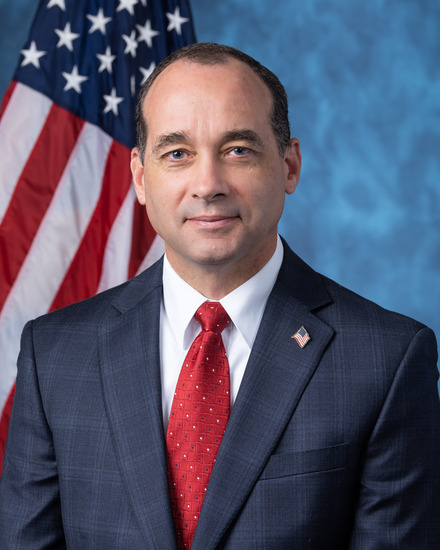
Rep. Bob Good
Sponsored bills
Maddy summaryHR 2041 sets a $242 million funding cap for the Institute of Museum and Library Services (IMLS) during fiscal year 2024. This bill directly limits the federal funds available to IMLS, which administers grants supporting public libraries and museums nationwide. The provision explicitly prevents IMLS from accessing more than $242 million in FY2024 appropriations, as specified in the legislation.
Maddy summaryThis bill sets a funding limit of $52.5 million for the District of Columbia's Federal Payment for School Improvement program in fiscal year 2024. It directly affects DC public schools that receive federal funds through this specific program. The key provision is a hard cap on available funds, preventing any amount above $52.5 million from being allocated for this purpose during the 2024 fiscal year. The bill does not create new programs or alter eligibility - it only restricts the maximum funding level for an existing DC school improvement initiative.
Maddy summaryHR 2040 sets a maximum spending limit of $17,184,000 for the Federal Mine Safety and Health Review Commission and related agencies during fiscal year 2024. This bill directly affects these agencies by restricting their available funding to the specified amount, preventing them from using more than this cap. The key mechanism is a statutory spending limit that overrides other funding provisions for the designated agencies in the 2024 budget cycle. This is a fiscal constraint, not a policy change to mine safety regulations or operations.
Maddy summaryHR 2091 sets a $12 million cap on federal funding for the District of Columbia's emergency planning and security costs for fiscal year 2024. It directly affects the District's budget for security-related expenses by restricting available funds to this specific amount, overriding other applicable laws. The bill does not change policy or create new programs - it simply limits the maximum federal payment the District can receive for these costs during the 2024 fiscal year.
Maddy summaryHR 2039 sets a spending limit of $47.55 million for the Related Agencies and the Federal Mediation and Conciliation Service (FMCS) during fiscal year 2024. This bill restricts the total funds available for these entities' salaries and operations, directly affecting how much they can spend on day-to-day activities. The cap applies to all funding authorized for these agencies in the 2024 budget cycle. It does not change agency missions or create new programs, only limiting financial resources.
Maddy summaryHR 2101 sets a $270,000 spending limit for fiscal year 2024 on three District of Columbia judicial funding items: the District itself, Federal Payment for Judicial Commissions, and the Judicial Nomination Commission. This bill directly affects DC's judicial budget by restricting available funds for these specific entities. The key provision is a strict cap on total spending, preventing any use of funds beyond the $270,000 threshold for these purposes during FY2024. It is a procedural budgetary measure with no policy changes beyond the funding restriction.
Maddy summaryHR 2038 caps total funding for three entities in fiscal year 2024: Related Agencies, the Corporation for National and Community Service (which administers programs like AmeriCorps), and the Office of Inspector General. The bill sets a strict limit of $5,750,000 on all funds authorized for these organizations during FY2024. This provision directly affects their budget planning and program operations by restricting available resources. The key mechanism is a hard spending cap, preventing funds from exceeding the specified amount regardless of other authorizations.
Maddy summaryHR 1929 imposes a spending cap on federal unemployment benefits for fiscal year 2024. It states that funding for the Department of Labor's Federal Unemployment Benefits program cannot exceed $540 million. This directly affects the program that provides unemployment assistance to eligible workers during FY2024. The bill limits available funds but does not change eligibility rules or benefit amounts.
Maddy summaryHR 2137 sets a strict funding limit of $26,535,000 for Independent Agencies and the Office of Special Counsel's salaries and expenses during fiscal year 2024. This bill directly affects these federal entities by restricting the total amount of money they can spend on operations and staff. The key mechanism is a hard cap on available funds, preventing them from exceeding this specific dollar amount regardless of other funding authorizations. This is a procedural budgetary measure with no policy changes beyond the financial constraint.