

Maddy summaryHR 2070 limits funding for the Intellectual Property Enforcement Coordinator position within the Executive Office of the President to $1,838,000 for fiscal year 2024. This bill directly affects the coordinator's office by restricting its available budget for that year. The key provision is a specific spending cap that applies to this role's funding, overriding other potential appropriations. It is a procedural budgetary measure with no substantive policy changes.
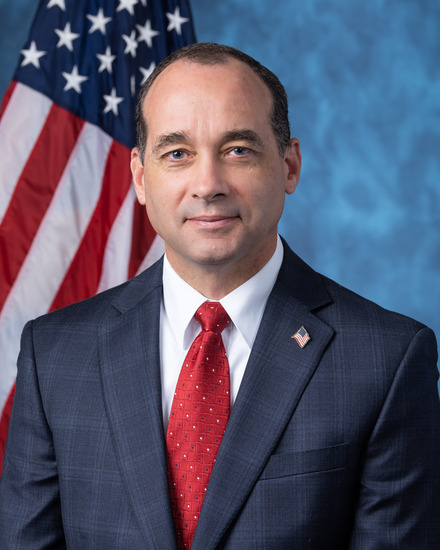
Rep. Bob Good
Sponsored bills
Maddy summaryHR 2031 blocks all funding for the Department of Education's administrative functions (including management and program administration) during fiscal year 2024. This bill directly affects the Department of Education's internal operations by preventing it from using any available funds for these specific administrative costs. The key provision states that no money may be spent on these functions, effectively setting a $0 limit for this category of spending. It does not impact funding for educational programs or student aid.
Maddy summaryHR 2069 sets a $102 million spending limit for the Office of Management and Budget's (OMB) salaries and expenses during fiscal year 2024. This bill directly affects the OMB's budget authority by restricting its funding for personnel and operational costs. The provision applies specifically to the OMB's "Salaries and Expenses" account within the Executive Office of the President. It does not alter policy or create new programs, only establishing a fixed budget ceiling for this specific account.
Maddy summaryHR 2030 would completely cut all funding for the Institute for Education Sciences (IES), the research arm of the U.S. Department of Education, for fiscal year 2024. The bill prohibits any funds from being appropriated or made available to IES for that year, effectively eliminating its budget. This directly affects IES's ability to conduct education research, evaluations, and data collection projects. The key mechanism is a strict $0 funding limit, overriding any other existing funding authorizations for IES in 2024.
Maddy summaryHR 2068 restricts funding for the Executive Office of the President's Office of Administration, which handles internal operations like staff salaries and office expenses. The bill explicitly states that funds for this office in fiscal year 2024 cannot exceed $100 million. This directly affects the Office of Administration's budget planning and spending authority for its Salaries and Expenses account. The provision applies to all amounts authorized for this specific office during FY2024, limiting its operational funding ceiling.
Maddy summaryThis bill prohibits any funding for the Department of Education's College Housing and Academic Facilities Loans Program in fiscal year 2024, setting its available funds to exactly $0. It directly affects the program that provided loan assistance to colleges for housing and academic facility projects. The key mechanism is a statutory limit explicitly banning all appropriations for this specific program during FY2024.
Maddy summaryHR 2067 imposes a spending limit on three specific White House offices for fiscal year 2024. It restricts total funding for the Executive Office of the President, National Security Council, and Homeland Security Council to no more than $12 million. This bill directly affects these offices by setting a hard cap on their available budget authority for the 2024 fiscal year. The key provision is a mandatory spending limitation, preventing these entities from using more than the specified amount from any appropriated funds.
Maddy summaryHR 2028 prevents the Department of Education from using any funds for its Higher Education program during fiscal year 2024. The bill explicitly states that no money may be allocated or spent on this program, setting a $0 cap on available funding. This directly affects the Higher Education program's operations, as it would be unable to administer grants, support institutions, or provide services without appropriated funds. As a procedural funding measure, it does not change program policies but halts all financial activity for this specific initiative.
Maddy summaryHR 2066 sets a funding limit of $4,120,000 for the Council of Economic Advisors (CEA) within the Executive Office of the President for fiscal year 2024. It directly affects the CEA's operations by restricting its available budget for salaries and expenses. The bill's key provision is a strict cap on federal funds, preventing the CEA from exceeding this amount during FY2024. This is a procedural spending limitation, not a policy change, affecting only the CEA's budget authority.
Maddy summaryHR 2129 sets a maximum funding limit of $4,823,000 for Independent Agencies, the National Archives and Records Administration, and the Office of Inspector General for fiscal year 2024. This bill directly affects these federal entities by restricting their available funding to the specified amount, overriding other existing funding provisions. The key mechanism is a hard cap on appropriations, ensuring no additional funds beyond this amount can be allocated for these specific agencies during FY2024. The policy change is purely procedural, establishing a spending ceiling without altering agency functions or creating new programs.