

Maddy summaryHR 1952 imposes a strict spending limit of $87,487,000 on the Department of Labor's Office of Inspector General (OIG) for fiscal year 2024. This bill directly affects the DOL OIG by restricting its available funding to this specific amount, regardless of other funding authorizations. The key mechanism is a statutory cap that prevents the OIG from using more than this designated sum for its operations during FY2024. The bill does not alter the OIG's responsibilities or create new policies, only limiting its budget authority for the specified fiscal year.
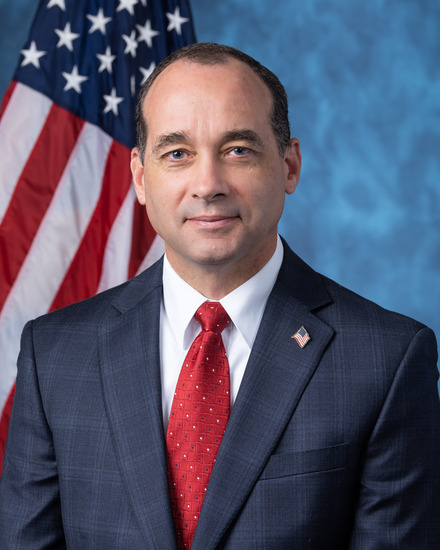
Rep. Bob Good
Sponsored bills
Maddy summaryThis bill caps funding for the Department of Labor's IT Modernization program in fiscal year 2024 at $2,826,900. It directly affects the Department of Labor's ability to allocate resources toward modernizing its information technology systems. The key provision is a strict spending limit that prevents the use of any funds exceeding this amount for the specified program during the 2024 fiscal year.
Maddy summaryThis bill sets a $50.7 million spending limit for the Congressional Budget Office's (CBO) "Joint Items" budget authority in fiscal year 2024. It directly affects the CBO's funding allocation for this specific budget line item, restricting it to not exceed $50,737,000. The provision is purely procedural, limiting available funds without changing policy or affecting constituents. It does not alter the CBO's functions or create new requirements.
Maddy summaryThis bill sets a spending cap of $6,332,670,000 for the Office of Congressional Workplace Rights' "Joint Items" funding in fiscal year 2024. It directly affects the Office of Congressional Workplace Rights by limiting its available funds for specific administrative or operational purposes. The key provision is a strict monetary ceiling on these funds, preventing any amount above the specified limit from being used. This is a procedural budget restriction with no policy changes beyond the funding limit.
Maddy summaryThis bill sets a $430,000 spending cap for two specific federal entities during fiscal year 2024: the Library of Congress and the John C. Stennis Center for Public Service Training and Development. It directly limits how much funding they can access from annual appropriations. The key provision is a strict annual spending limit that overrides other funding authorizations for these two organizations. This is a procedural budgetary measure with no additional policy changes or program requirements.
Maddy summaryThis bill (HR 1920) prohibits any funding for the Library of Congress and the Congressional Office for International Leadership during fiscal year 2024. It sets a strict limit of $0.00 on all authorized appropriations or available funds for these two entities. The provision directly affects these offices by eliminating their fiscal 2024 budget authority. This is a procedural funding restriction with no policy changes beyond the complete defunding of these specific offices.
Maddy summaryHR 1919 sets a spending cap of $589.7 million for the Library of Congress and the Government Accountability Office (GAO) during fiscal year 2024. This bill directly affects these two federal agencies by limiting their available funding for salaries and operations to the specified amount. The key provision is a strict ceiling on appropriations, preventing them from exceeding this total without additional congressional action. The bill does not alter policy or create new programs, solely addressing budgetary constraints for these entities.
Maddy summaryHR 1918 sets a $6 million spending cap for the Library of Congress, Government Publishing Office, and their Business Operations Revolving Fund during fiscal year 2024. This bill directly limits how much money these federal agencies can spend on routine operations for the upcoming fiscal year. The key provision explicitly states that available funds for these entities may not exceed $6,000,000, overriding other funding authorizations. This is a straightforward budget restriction affecting operational funding without altering broader legislative provisions.
Maddy summaryHR 1917 sets a spending limit of $32 million for the Library of Congress and Government Publishing Office's salaries and expenses during fiscal year 2024. This bill directly affects these two federal agencies by restricting their available funding for core operations. The key provision is a strict cap on annual spending, preventing them from exceeding this specific amount for the specified fiscal year. This is a procedural budget measure with no additional requirements or program changes.
Maddy summaryHR 1916 limits annual funding for the Library of Congress, Government Publishing Office, and Congressional Publishing to $78,872,161 for fiscal year 2024. The bill sets a strict spending cap that overrides other funding authorizations for these agencies during the 2024 fiscal year. It directly affects these three federal entities by restricting their available budget without altering their core functions or creating new programs. This is a procedural budget measure focused solely on fiscal constraints, not policy changes.