

Maddy summaryHR 2467, America's Red Rock Wilderness Act, would designate approximately 1.3 million acres of public land across Utah as wilderness areas, protecting them from development and managing them for conservation. The bill specifically designates 77 wilderness areas in the Great Basin and Colorado Plateau regions, including lands within existing national monuments like Grand Staircase-Escalante and Bears Ears. It includes provisions for water rights protection, allows continued livestock grazing under certain conditions, and withdraws the designated lands from mining and mineral leasing. The bill also ensures Tribal rights are protected and requires the Secretary of the Interior to administer these areas according to wilderness management standards.
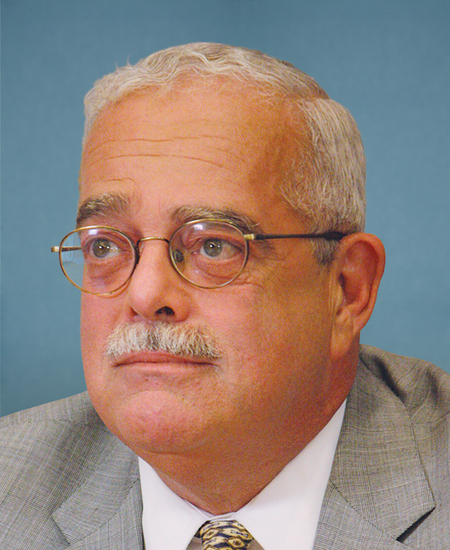
Rep. Gerald E. Connolly
Sponsored bills
Strengthening Agency Management and Oversight of Software Assets Act This bill requires federal agencies and Intelligence Community (IC) elements to assess their software inventory and develop software management plans. The bill requires each agency and each IC element to complete a comprehensive assessment of the software paid for by, in use at, or deployed throughout the agency or element. The assessment must include information such as (1) the current inventory of software; (2) contracts and other arrangements used to acquire, build, deploy, or use the software; (3) costs and fees not included in the initial contract or agreement; and (4) the interoperability of the software and restrictions on its use. Each agency and IC element must use their assessment to develop a plan to consolidate software entitlements, develop procedures for cost-effective acquisition strategies, and restrict subordinate entities from using any software entitlement without approval. (A software entitlement is software that has been purchased, leased, or licensed by or billed to an agency and that is subject to use limitations.) Such plans must be submitted to the Office of Management and Budget (OMB) and Congress. Within two years of enactment, OMB must submit recommendations to Congress regarding government software procurement policies and practices to • increase the interoperability of software licenses; • consolidate licenses when appropriate; • reduce costs; • improve performance; and • modernize the management and oversight of agency software. The GAO must report on certain related topics, including governmentwide trends in agency software asset management practices and comparisons of such practices among agencies.
Maddy summaryThis resolution requests the President and Secretary of State to share specific documents with the House of Representatives by April 9, 2025. It seeks all records created after January 20, 2025, related to U.S. military strikes on Yemen's Houthis and the disclosure of classified information to journalist Jeffrey Goldberg via Signal. The documents include Signal chat transcripts, strike details, legal justifications, coordination with allies, and any new security reforms following the incident. This procedural request directly affects the executive branch and aims to obtain records about sensitive national security communications.
Maddy summaryHR 2361, the "Cameras in the Courtroom Act," requires the U.S. Supreme Court to permit television coverage of all its open public sessions unless a majority of justices vote to block it in a specific case, citing due process concerns. This bill directly affects the Supreme Court's proceedings and its handling of public access to hearings. The key provision replaces the current policy by mandating TV coverage as the default, with the exception requiring a majority vote of the justices. It does not change the Court's authority to limit coverage in individual cases but shifts the default position from prohibition to permission. The bill focuses solely on procedural access to Supreme Court proceedings, not on altering legal outcomes.
Maddy summaryHR 2381, the SCREENS for Cancer Act of 2025, reauthorizes and updates the National Breast and Cervical Cancer Early Detection Program (NBCCEDP). It directly affects low-income, uninsured, or underinsured women across all 50 states, territories, and tribal communities by expanding access to breast and cervical cancer screenings, diagnostic services, and patient navigation support. Key provisions include updating program language to emphasize prevention alongside detection and control, adding specific strategies to reduce disparities, and appropriating $235 million annually for fiscal years 2026-2030. The bill also requires a GAO study by 2027 to assess program eligibility, service trends, and barriers to screening access.
Maddy summaryHCONRES 21 is a symbolic House resolution recognizing the persistent gender wage gap in the U.S., where women earn significantly less than men for comparable work. It cites specific data showing women overall earn 75 cents and women of color earn even less (e.g., 58 cents for Latinas) per dollar earned by White, non-Hispanic men. The resolution does not create new laws or policies but formally acknowledges the economic impact of this disparity, including annual lost wages exceeding $994 million for full-time women workers. It also highlights designated Equal Pay Days for different demographic groups to underscore the varying timelines to close the gap.
Maddy summaryThis bill designates Uyghurs and other Muslim minority group members from Xinjiang who have experienced or fear persecution for peaceful political, religious, or cultural expression as "persons of special humanitarian concern" for refugee resettlement. It provides for Priority 2 processing under the refugee system, waives the presumption that applicants are immigrants, and excludes them from numerical visa limits. The bill requires regular reporting on refugee applications from Xinjiang, including wait times and denial reasons, and encourages other countries to make similar accommodations for Xinjiang refugees. The provisions apply to individuals who fled Xinjiang due to detention, forced labor, family separation, or other human rights abuses documented in the bill's findings. The bill would expire 10 years after enactment.
Maddy summaryThis bill authorizes the President to award Doris Miller the Medal of Honor posthumously for her heroic actions during the Pearl Harbor attack in 1941. It directly affects Miller, an African American Navy cook who was initially recognized with a Navy Cross for saving lives and operating a machine gun under fire while serving in a role typically restricted to Black sailors. The bill overrides standard time limits for awarding the Medal of Honor, enabling the upgrade from her existing Navy Cross citation. This would correct the historical oversight where Miller - unlike other Pearl Harbor heroes - was denied the Medal of Honor despite her documented valor.
Maddy summaryHR 2277 renames the Pandemic Response Accountability Committee to the Fraud Prevention and Accountability Committee under the CARES Act and extends its deadline from September 30, 2025, to December 31, 2026. This is a procedural bill that updates the committee’s name and timeline in existing law, with no new policy requirements for citizens or agencies. The bill amends specific references in the CARES Act to align with the name change and deadline extension. It does not create new oversight powers or alter the committee’s existing functions.
Maddy summaryThe Paycheck Fairness Act strengthens equal pay protections by expanding the definition of "sex" to include pregnancy, childbirth, sexual orientation, gender identity, and sex characteristics. It modifies employer defenses for pay disparities to require proof that any pay difference is job-related, not based on sex, and accounts for the entire pay gap. The bill prohibits employers from asking about salary history, enhances penalties for violations, and requires employers with 100+ employees to collect and report detailed pay data by race, sex, and job category. It also establishes training programs for employers on eliminating pay bias and creates a National Equal Pay Enforcement Task Force to coordinate enforcement efforts. This legislation directly affects employers, particularly those with 100+ employees, and aims to address pay disparities impacting women, people of color, and other underrepresented groups.