

Maddy summaryThe Fight Fentanyl Act increases annual funding for fentanyl-related law enforcement efforts to $333 million from 2025 through 2030. It requires the Office of National Drug Control Policy to report annually on how HIDTA (High Intensity Drug Trafficking Area) funds target fentanyl trafficking, including seizure data and threat assessments. The bill also mandates the Attorney General to prioritize fentanyl prosecutions by temporarily reassigning U.S. attorneys to these cases. These provisions directly affect federal, state, local, and tribal law enforcement agencies working on fentanyl interdiction and prosecution.
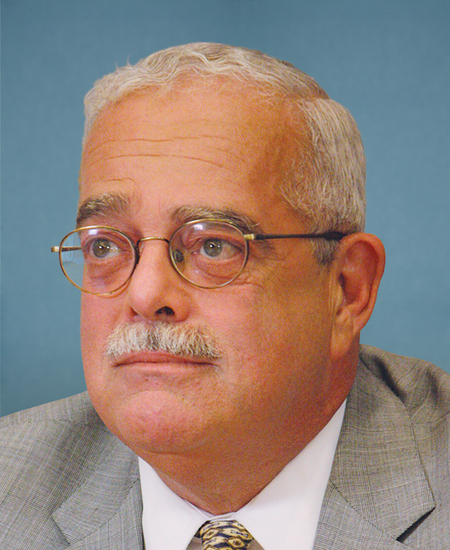
Rep. Gerald E. Connolly
Sponsored bills
Maddy summaryHRES 332 is a resolution designating April 11-17, 2025, as "Black Maternal Health Week" to raise awareness about maternal health disparities affecting Black women and birthing people in the U.S. It references CDC data showing Black women are 2-3 times more likely to die from pregnancy-related causes than White women and that the U.S. has the highest maternal mortality rate among developed nations. The resolution emphasizes the need to address systemic inequities contributing to these outcomes without creating new laws or funding. It serves as a symbolic recognition to amplify community-led efforts, such as those by the Black Mamas Matter Alliance, rather than implementing policy changes.
Maddy summaryHRES 324 is a symbolic resolution designating April 2025 as "Esophageal Cancer Awareness Month." It does not create new laws or allocate funding but expresses congressional support for raising public awareness about esophageal cancer. The resolution encourages federal, state, local, and nonprofit entities to promote education on symptoms (like persistent heartburn), risk factors (such as GERD), and the importance of early screening for Barrett’s esophagus. It highlights that early detection significantly improves survival rates (up to 49% for early-stage cases) but does not directly affect individuals or healthcare policies.
Maddy summaryThis bill prohibits the federal government from issuing new oil and gas leases for exploration, development, or production in the Mid-Atlantic region of the Outer Continental Shelf. It specifically blocks leasing in the area defined by the 2023 federal leasing plan (2024-2029 National Outer Continental Shelf Oil and Gas Leasing Proposed Final Program). The law directly affects energy companies seeking to drill in this coastal zone and requires the Secretary of the Interior to halt such lease sales. It does not impact existing leases or operations already authorized.
Maddy summaryHR 2862 prohibits the federal government from leasing offshore areas in Southern California for oil and gas exploration or production. It directly affects oil and gas companies seeking permits in the Southern California Planning Area, as defined in the federal 2024-2029 Outer Continental Shelf leasing program. The bill amends the Outer Continental Shelf Lands Act to block all future leases in this region, preventing new drilling projects in the specified offshore waters. This is a concrete policy change that halts federal leasing decisions in the area without altering existing leases or operations.
Maddy summaryHR 2848, the Stop Arctic Ocean Drilling Act of 2025, prohibits the federal government from issuing new oil and gas leases in Arctic federal waters. It amends the Outer Continental Shelf Lands Act to ban the Secretary of the Interior from authorizing exploration, development, or production of oil, natural gas, or minerals in designated Arctic areas, overriding all other federal laws. The bill defines "Arctic" using the 1984 Arctic Research Act, focusing on federal waters off Alaska. This directly affects federal leasing decisions and prevents new drilling permits in the region.
Maddy summaryH.J. Res. 91 terminates the national emergency declared by the President on April 2, 2025, under Executive Order 14257. The resolution ends this emergency status by invoking Section 202 of the National Emergencies Act (50 U.S.C. 1622). This action would halt the use of emergency powers associated with the declaration, such as special authorities or funding mechanisms. The bill directly affects federal agencies and the executive branch by removing the legal basis for operating under the emergency framework.
Maddy summaryHRES 187 is a resolution of inquiry requesting the President to provide the House of Representatives with complete, unedited documents within 14 days. It specifically asks for records related to federal employees placed on administrative leave, removed, terminated, or reassigned following actions by Elon Musk, the DOGE agency team, or the Trump administration. The resolution also seeks documents about workforce reductions affecting Diversity, Equity, and Inclusion (DEI) staff and communications regarding the removal of inspectors general. This procedural request aims to obtain transparency on executive branch actions, not to enact new policy.
Maddy summaryHRES 186 is a procedural resolution requesting the President to provide unredacted documents to the House of Representatives within 14 days. It specifically asks for any records related to Elon Musk’s government connections, including his role with the fictional "DOGE Service," potential conflicts of interest, and business ties involving his companies or board positions. The resolution does not create new law but seeks transparency about Musk’s government-related activities as requested by the House. This is a formal inquiry, not a legislative action affecting public policy.
Maddy summaryThe American Family Act (HR 2763) establishes a new refundable child tax credit that provides monthly payments to eligible families with children. It would pay $300 per month for each child under age 6 and $360 per month (120% of $300) for each child age 6 or older, with income limits of $150,000 for joint filers and $112,500 for other filers. The bill creates a "period of presumptive eligibility" to determine eligibility for monthly payments, allowing families to receive advance payments based on information from previous tax returns. This would directly affect millions of families with children who meet the income requirements, providing more consistent financial support throughout the year rather than an annual tax credit.