

Maddy summaryHR 5833, the Protection of Saudi Dissidents Act of 2023, restricts U.S. military sales to Saudi Arabia’s intelligence, security, and law enforcement agencies for three years. It prohibits defense exports during 120-day periods unless the President certifies Saudi Arabia has not engaged in forced repatriation, intimidation, or killing of dissidents abroad, unjust imprisonment of U.S. residents, or torture. The bill also mandates reports on Saudi harassment of dissidents in the U.S., including whether Saudi diplomats used diplomatic facilities to monitor or harm Saudi nationals living in America, and requires an intelligence report on whether U.S. agencies fulfilled their duty to warn Jamal Khashoggi about threats before his 2018 murder. These provisions sunset after three years, with limited exceptions for defense against external threats or U.S. personnel security.
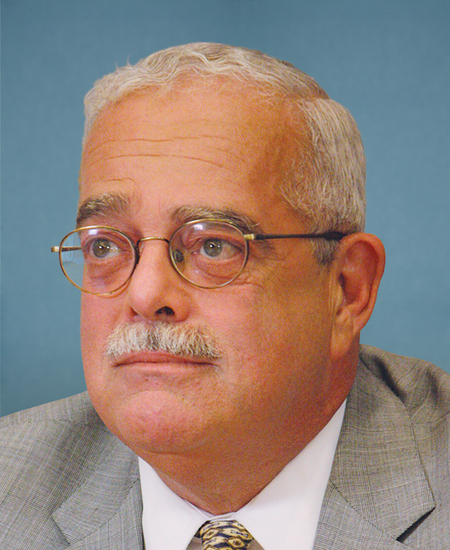
Rep. Gerald E. Connolly
Sponsored bills
Maddy summaryThe Youth, Peace, and Security Act of 2023 requires the U.S. government to increase meaningful youth engagement in peacebuilding and conflict prevention efforts globally. The bill mandates the development of a U.S. Foreign Assistance Youth, Peace, and Security Action Plan within one year, focusing on inclusive participation of diverse youth aged 10-29, particularly marginalized groups including girls, LGBTQI+ youth, and youth with disabilities. It authorizes $5.5 million for grants to youth-led organizations working on peacebuilding, conflict resolution, community violence intervention, and post-conflict recovery. The legislation also establishes a USAID Youth Coordinator role to oversee implementation and requires U.S. foreign assistance programs to integrate youth participation in decision-making processes. The Act aims to address barriers to youth involvement in peace processes while ensuring safety, security, and equitable access to resources for young people in conflict-affected areas.
Maddy summaryThis bill directs the Secretary of Health and Human Services to create and implement a standardized graphic symbol indicating when language interpretation services and translated materials are available for healthcare. It affects healthcare providers, insurers, public health departments, and other entities serving people with limited English proficiency. The symbol must be simple, widely understood, and work across printed and digital formats, with research and community testing to guide its design. The Secretary must finalize the symbol within 18 months and develop an education plan to promote its use, while allowing it to replace current notice requirements if testing shows it improves access.
Maddy summaryHR 5667, the Pay Our Military Act, ensures continued pay and allowances for active-duty military members, reservists, Department of Defense civilians, and qualifying contractors during any government funding gap in fiscal year 2024. It appropriates funds from the Treasury to cover these payments if regular appropriations bills aren't passed before the end of the fiscal year. The funding automatically terminates once regular appropriations are enacted or by January 1, 2025, whichever comes first.
Maddy summaryThis bill replaces "Columbus Day" with "Indigenous Peoples’ Day" as the official federal holiday observed on the second Monday in October. It directly affects federal government operations and all federal documents, rules, or laws that previously referenced "Columbus Day" by automatically updating those references to "Indigenous Peoples’ Day" upon enactment. The key mechanism is a simple amendment to federal law (5 U.S.C. § 6103(a)) to change the holiday name and a provision ensuring all existing federal references to Columbus Day are legally treated as referring to Indigenous Peoples’ Day instead. This is a procedural change to federal holidays and references, not a new policy or program.
Maddy summaryThis bill requires federal agencies to adjust contract prices to reimburse contractors for paying employees during government funding lapses (e.g., shutdowns). It covers costs for furloughed, laid-off, or reduced-hour workers, or for restoring paid leave used during the lapse, with a weekly cap of $1,442 per employee. Directly affecting federal contractors and their employees who experienced work disruptions due to funding gaps, it mandates agencies to make these adjustments promptly after enactment. Contractors must provide proof of costs, and the Office of Federal Procurement Policy must report on implementation to Congress within a year.
Maddy summaryHR 5784 would provide federal grants to public schools (including Bureau of Indian Education schools) to make them more environmentally sustainable and equitable. It prioritizes schools in the most vulnerable communities (based on CDC Social Vulnerability Index) for full funding to become "healthy zero-carbon schools" through energy-efficient retrofits and new construction, while offering reduced funding for less vulnerable schools. The grants require community engagement in planning, mandate hiring from local communities with specific diversity goals, fund social services and mental health support, and include strict energy efficiency standards for all projects. The bill also includes funding for educational equity planning and climate resiliency programs to help schools serve as community centers during disasters.
Maddy summaryThe WIC for Kids Act expands eligibility for the Special Supplemental Nutrition Program for Women, Infants, and Children (WIC) by adding new qualifying pathways. It allows children to qualify if they live in households where someone receives Head Start, Indian reservation food assistance, or Puerto Rico/Northern Mariana Islands nutrition block grants, and streamlines documentation by permitting states to use existing records. The bill extends certification periods for children from one to two years and automatically enrolls infants born to current WIC participants. This directly affects low-income families with children who qualify for related assistance programs but previously faced barriers to WIC access.
Maddy summaryThis bill requires federal financial regulators (like the Fed and Consumer Bureau) to create guidance for banks within 180 days of enactment. The guidance directs banks to help consumers and businesses affected by government shutdowns - including furloughed federal workers, DC employees without pay, and contractors with reduced income - by adjusting loan terms, preventing payment hardships, and stopping negative credit reporting during temporary financial difficulties. Banks must also immediately notify regulators, consumers, and businesses if a shutdown begins. After a shutdown ends, regulators must report to Congress on the guidance's effectiveness and update it within 180 days if needed.
Maddy summaryThe Protect America's Children from Toxic Pesticides Act would require the Environmental Protection Agency to complete pesticide registration reviews within 15 years, with automatic suspension of pesticides that miss deadlines. It mandates the EPA to review pesticides banned in the European Union or Canada, with automatic cancellation if the ban is not found to be clearly erroneous. The bill would ban organophosphate pesticides, neonicotinoids, and paraquat, prohibit continued sale of suspended or canceled pesticides, and require full disclosure of inert ingredients on product labels. It also establishes new protections for farmworkers by requiring bilingual labels, mandating incident reporting, and imposing penalties for non-compliance. These changes would directly affect pesticide manufacturers, farmers, farmworkers, and communities seeking to protect public health and the environment.