

Maddy summaryThe VSAFE Act of 2023 (HR 6452) establishes a new "Veterans Scam and Fraud Evasion Officer" within the Department of Veterans Affairs. This position focuses on preventing fraud against veterans, their families, caregivers, and survivors by creating communication plans, developing reporting guidelines, monitoring fraud metrics, and coordinating with other federal agencies like the IRS and DOJ. The bill does not create new benefits or increase staffing, instead directing the Department to improve existing fraud prevention efforts through standardized training and cross-agency collaboration.
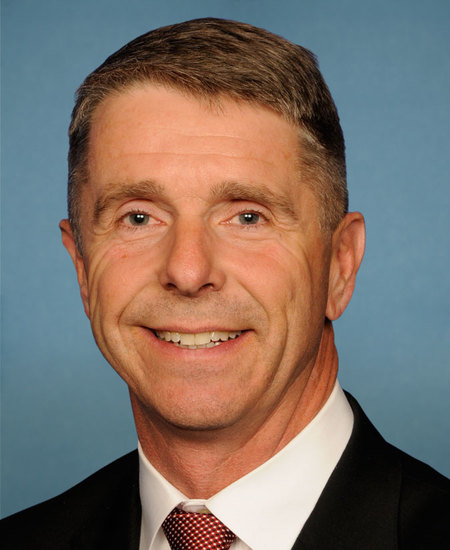
Rep. Robert J. Wittman
Sponsored bills
Maddy summaryHR 9045, the Community Association Reporting Exemption Act, exempts certain community associations from a federal reporting requirement. It amends Title 31 of the U.S. Code to add a new exemption category for "entity subject to taxation under section 528 of the Internal Revenue Code," which covers qualifying homeowners' associations (HOAs) already taxed under that IRS provision. This change removes a specific reporting obligation these associations previously had to fulfill. The bill directly affects HOAs that meet the IRS Section 528 tax criteria, simplifying their federal compliance.
Maddy summaryHJRES 164 is a congressional resolution seeking to block a rule issued by the Department of Commerce regarding firearms license requirements. It directly targets the rule published in the Federal Register (89 Fed. Reg. 34680), which would have revised licensing procedures for firearms dealers. If passed, the resolution would prevent this rule from taking effect by invoking the congressional disapproval process under federal law. The bill does not create new regulations but aims to halt an existing rule affecting gun license applicants and dealers.
Maddy summaryHR 897 designates a specific area off Alabama's coast as the Alabama Underwater Forest National Marine Sanctuary to protect an ancient cypress forest (50,000-70,000 years old) exposed by Hurricane Ivan. The bill prohibits activities like cutting trees, drilling, or using dredges within the sanctuary boundaries, while allowing exceptions for fishing, diving, emergency responses, and existing oil/gas operations. It requires the Secretary of Commerce to develop a management plan within two years, focusing on resource protection, public access, and coordination with stakeholders like Alabama’s conservation department. The bill authorizes $1 million annually for sanctuary operations from 2024-2028.
Maddy summaryThis bill expands Post-9/11 GI Bill benefits to National Guard members who perform specific full-time duty. It amends eligibility rules to include service on "full-time National Guard duty" (as defined in Title 32) and "active duty" (as defined in Title 32), which previously did not count toward full benefits. The change applies retroactively to service since September 11, 2001, and takes effect one year after enactment. This directly affects National Guard members serving in these specific full-time roles, granting them parity with other veterans for educational benefits.
Maddy summaryHR 6841 creates a new Coastal and Estuarine Resilience and Restoration Program under the Coastal Zone Management Act, authorizing the Secretary of Commerce to protect and restore coastal and estuarine areas. The program prioritizes lands with ecological, recreational, or community value that face development threats or climate impacts, with special focus on low-income communities and climate mitigation. It requires non-governmental organizations applying for grants to demonstrate public access or ecological protection, and includes $47 million annually (2024-2028) for these efforts. This directly affects coastal states, local communities, and conservation groups managing vulnerable coastal lands.
Maddy summaryHR 226, the Veterans Collaboration Act, establishes a two-year pilot program to connect the Department of Veterans Affairs (VA) with nonprofit organizations and universities that assist veterans. The bill directs the VA to partner with veterans service organizations (which help veterans file disability claims) and law schools (providing free legal help for veterans), focusing on states with the largest veteran populations. Key mechanisms include setting performance metrics to identify effective partners, using social media to promote the program, and requiring quarterly reports to Congress on participation and outreach. The program aims to improve veterans' access to administrative assistance through these collaborations, with no permanent funding or policy changes beyond the pilot period.
Maddy summaryHR 8834, the Safeguarding Our Supply Chains Act, creates a Supply Chain Crime Coordination Center within Homeland Security to collect and analyze data on supply chain fraud and theft hotspots, including high-risk transportation routes and retail areas. It also establishes a multi-agency Task Force (including FBI, ICE, state/local law enforcement, and private sector partners) to coordinate efforts targeting organized crime groups stealing cargo, disrupting supply chains, and committing fraud. The Task Force will share intelligence, track theft trends, and work directly with affected businesses to address threats. The bill authorizes $100 million over five years for implementation and requires annual reports to Congress on the Task Force’s effectiveness in reducing these crimes. This law directly affects federal, state, and local law enforcement agencies, transportation and retail businesses, and supply chain operators.
Maddy summaryHR 537 authorizes a Congressional Gold Medal to honor 60 diplomats who saved Jewish lives during the Holocaust by issuing visas and passports against their governments' orders, risking expulsion and personal danger. The medal will be presented to the next of kin of these diplomats, alongside representatives from their home countries, and permanently displayed at the United States Holocaust Memorial Museum. The bill also permits the sale of bronze duplicates to cover production costs, with proceeds going to the U.S. Mint. This legislation recognizes the diplomats' humanitarian actions without creating new government programs or altering existing laws.
Maddy summaryThis bill expands federal flood insurance coverage to help homeowners demolish or relocate structures threatened by shoreline erosion. It requires the flood insurance program to pay up to 40% of a structure's value upfront for demolition or relocation, with an additional 60% upon completion (capped at $250,000 total per claim), excluding damage to contents. Coverage applies only to properties already insured under flood insurance for at least 12 months before the bill's enactment, and terminates future flood insurance for the same property after a qualifying claim. The bill specifically targets properties deemed unsafe due to erosion, subsidence, or being over water, bluff, or escarpment by state/local authorities.