

Maddy summaryThe Paycheck Fairness Act (HR 17) strengthens equal pay protections by amending the Fair Labor Standards Act. It prohibits pay discrimination based on sex, pregnancy, childbirth, sexual orientation, gender identity, and sex characteristics. The bill modifies employer defenses for pay differences to require demonstration that any disparity is job-related, consistent with business necessity, and accounts for the entire pay differential. It also prohibits employers from relying on wage history when making hiring decisions or setting pay, enhances penalties for violations, and requires the EEOC to collect compensation data disaggregated by sex, race, and national origin.
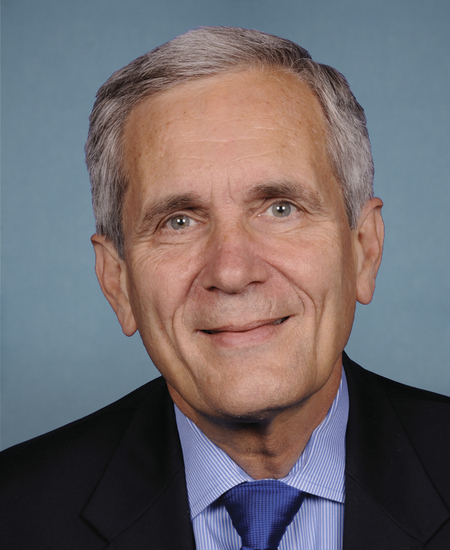
Rep. Lloyd Doggett
Sponsored bills
Maddy summaryHR 1269, the Healthy Meals Help Kids Learn Act of 2023, increases federal funding for school meals. It adds 45 cents per lunch and 28 cents per breakfast served by school food authorities (like school districts) starting July 1, 2023, covering all meal types (free, reduced-price, and full-price). The extra payments are adjusted annually beginning July 1, 2024, based on inflation. This directly affects schools serving meals under the National School Lunch and Child Nutrition programs, providing them with additional funding to support meal costs.
Maddy summaryHR 1447 prevents employers from ending health insurance coverage for workers during a lawful strike or a lockout (when an employer stops work to pressure union demands). It directly affects unionized workers participating in strikes or facing lockouts, ensuring they maintain healthcare coverage during these labor disputes. The bill adds penalties: employers violating this rule face up to $75,000 per violation for lockouts ($150,000 for repeat offenses or serious harm) and up to $50,000 per violation for strikes ($100,000 for repeat offenses or serious harm). These penalties apply to employers who cut healthcare during strikes or lockouts, with the National Labor Relations Board enforcing the fines.
This resolution expresses the sense that the federal government should adopt a global health solidarity strategy to end medically avertable deaths and respond to the full burden of disease in poor countries; the federal government should use laws and diplomatic influence to stop ongoing economic harms to the global South; and it is the duty of the federal government to issue reparations, including for slavery and colonialism.
Maddy summaryHR 1415 creates federal grants to help high-need schools hire or retain school social workers, aiming to achieve a ratio of one social worker for every 250 students (and one for every 50 students in high-need cases). The bill authorizes $100 million annually (2024-2028) for grants to local school districts, requiring funds to supplement - never replace - existing budgets. School social workers funded through these grants must provide mental health support, crisis intervention, trauma-informed services, and help address barriers like homelessness or food insecurity. The law also establishes a national center to share best practices on school social work staffing and outcomes.
Maddy summaryHR 1388 authorizes the minting of commemorative coins to honor the 1865 Sultana steamboat disaster, the deadliest maritime tragedy in U.S. history. It specifies three coin types ($5 gold, $1 silver, and half-dollar) with defined weights and compositions, to be sold at face value plus surcharges ($35, $10, and $5 per coin, respectively). All surcharges collected will fund the Sultana Historical Preservation Society for museum development, including exhibits, artifact preservation, and facility construction. The coins are legal tender but intended for collectors, with sales limited to a one-year period starting January 2023.
Maddy summaryThis bill designates the U.S. Postal Service facility at 4400 East Paisano Drive in El Paso, Texas, as the "Enedina Sanchez Cordero Post Office Building." It updates all official references in federal laws, documents, and records to reflect this new name. The bill directly affects the postal facility itself and any government materials mentioning its location. This is a purely procedural naming designation with no policy changes or funding impacts.
Maddy summaryThe DERAIL Act requires the Secretary of Transportation to update federal regulations within 90 days to define a "high-hazard flammable train" as any train carrying at least one tank car of flammable liquid or gas, plus additional safety-related materials. Railroad carriers must report within 24 hours after a derailment involving toxic-by-inhalation materials to the National Response Center, state officials, local authorities, and Tribal governments. The report must specify all toxic-by-inhalation materials on the train. This bill directly affects railroad companies and the Department of Transportation by establishing new safety reporting standards for hazardous material incidents.
Maddy summaryThis resolution expresses the House's support for Black workers and calls for legislative action to address workforce inequalities. It specifically identifies key policy areas needing reform, including closing wage gaps, improving workplace safety, and expanding access to job training programs. The resolution affirms support for four specific bills: the PRO Act (to strengthen union rights), the National Apprenticeship Act, the Raise the Wage Act, and the Workforce Innovation and Opportunity Act. It directly addresses systemic disparities affecting Black workers, such as lower earnings (82.6% of median white worker pay) and higher unemployment rates. The resolution does not create new law but urges Congress to advance these measures.
Maddy summaryThis resolution (HRES 184) formally recognizes and celebrates Black History Month as an annual observance in February. It highlights the significance of the 2023 theme "Black Resistance," acknowledging historical and ongoing Black American efforts to overcome oppression. The resolution does not create new laws or policies but serves as a commemorative statement to raise awareness of Black achievements and resistance history. It directly affects public awareness, encouraging all Americans to recognize this history during February.