

No Partisan Radio and Partisan Broadcasting Services Act or the NPR and PBS Act This bill prohibits federal funding of National Public Radio (NPR) and the Public Broadcasting Service (PBS), including by prohibiting the use of federal funds received by a public broadcast station to pay dues to or purchase programming from NPR or PBS.
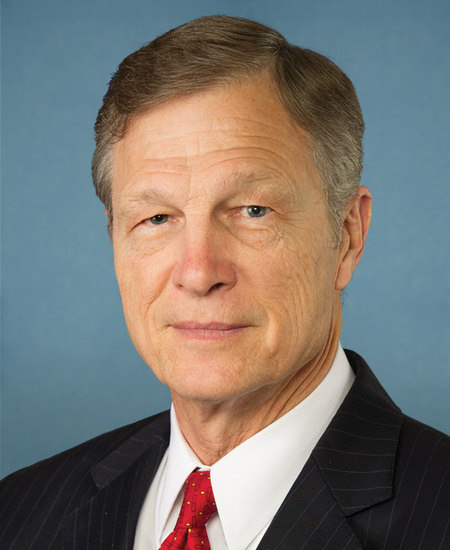
Rep. Brian Babin
Sponsored bills
Maddy summaryHR 1575, the Pregnancy Center Security Act, provides federal grants to pregnancy-help organizations that promote childbirth over abortion. The bill authorizes competitive grants for facility upgrades, including security systems like cameras or ADA-compliant improvements. Organizations receiving funds must not provide or refer for abortion services, and cannot affiliate with entities that do. The grants are restricted to security or accessibility enhancements, with no funding allowed for abortion-related activities.
Maddy summaryHR 1141, the Natural Gas Tax Repeal Act, repeals a specific provision (Section 136) of the Clean Air Act that established an incentive program for reducing methane emissions and waste in natural gas systems. This bill directly affects natural gas producers and operators who previously participated in or were subject to the methane emissions reduction program. The key mechanism is the removal of this incentive program, eliminating federal requirements and financial incentives related to methane waste reduction for the natural gas industry. The bill also rescinds unobligated funds allocated for this program. This is a policy change removing a regulatory incentive, not a tax repeal.
Maddy summaryHR 1703, the SECURE Flights Act, prohibits the use of specific immigration forms (like I-94 arrival records or I-200 warrants) as valid ID at airport security checkpoints. If such a document is presented, TSA must notify U.S. immigration and law enforcement agencies, and the individual may be barred from entering secure airport areas unless traveling for deportation or presenting a valid "covered ID" (e.g., passport, Global Entry card, or driver’s license). The bill also requires TSA to collect biometric data (like fingerprints or facial scans) from travelers who cannot verify U.S. citizenship and lack a covered ID, submitting this to the Homeland Security IDENT system. It directly affects travelers using non-standard immigration documents at airports, aiming to enhance security coordination between TSA and immigration authorities.
Maddy summaryThe Build the Wall Now Act requires the Department of Homeland Security to immediately resume construction of physical barriers (such as reinforced fencing and levee walls), tactical infrastructure (including access gates and lighting), and border surveillance technology along the US-Mexico border that was underway or planned before January 20, 2021. It prohibits canceling existing contracts for border barrier projects and mandates using funds appropriated for border construction since October 2016. The bill grants the Secretary of Homeland Security new authority to waive numerous environmental, historic preservation, and land management laws to expedite construction, including exemptions from the Clean Air Act, Endangered Species Act, and National Environmental Policy Act. It also prohibits using federal funds to implement or enforce Presidential Proclamation 10142 from January 2021.
Maddy summaryH.J. Res. 26 is a congressional disapproval resolution blocking the District of Columbia Council's approval of its Revised Criminal Code Act of 2022 (D.C. Act 24-789). It directly affects the District of Columbia by preventing the new criminal code from taking effect, as Congress disapproved the Council's action under the Home Rule Act. The resolution formally rejects the Council's enactment of the code, which was transmitted to Congress on January 27, 2023. This procedural action stops the District from implementing the revised criminal code without further congressional action.
Maddy summaryHR 1484, the Pipeline Sabotage and Accident Prevention Act, adds criminal penalties for intentionally damaging or disrupting pipeline infrastructure. It makes it a federal offense to knowingly cause defects in pipes, pumps, or valves (or disrupt operations) in pipelines regulated under existing law, punishable by fines, up to 10 years in prison, or both. The bill specifically protects First Amendment rights, stating its provisions don’t limit lawful protests or free speech. It directly affects individuals who intentionally target pipeline infrastructure, such as vandals or terrorists, by creating clear criminal consequences for such acts. The law focuses on preventing physical harm to critical energy infrastructure through deterrence.
Maddy summaryThe Dental and Optometric Care Access Act of 2023 (DOC Access Act) requires health insurance plans covering dental and vision care to allow providers (like dentists and optometrists) to charge patients the usual and customary rate for uncovered services, with a specific rule limiting dental cleanings to the network fee even if it exceeds annual coverage limits. It prohibits plans from restricting providers' choices of laboratories or suppliers for patient care. This law directly affects dental and vision care providers and the health insurance plans that offer these services. The bill establishes concrete billing and coverage standards to improve access to necessary dental and vision care.
Mayorkas Must Fly Coach Until We Secure the Border Act This bill prohibits any officer or official of the Office of the Secretary of the Department of Homeland Security (DHS), including the Secretary of DHS, from using any federal executive aircraft until certain conditions relating to the border have been met. Specifically, the prohibition shall apply until the number of encounters and apprehensions of non-U.S. nationals ( aliens under federal law) who have unlawfully crossed the border have been reduced to FY2020 numbers; DHS reports to Congress a plan to place 90% of deployed U.S. Border Patrol agents in duties in the field; and DHS reports to Congress a plan to offer resources, including financial support, to local communities and governments.
Maddy summaryThis bill requires the U.S. State Department to officially designate four specific Mexican drug cartels (Gulf Cartel, Cartel Del Noreste, Cartel de Sinaloa, and Cartel de Jalisco Nueva Generacion) as foreign terrorist organizations under existing law. It mandates a 30-day report explaining why these groups meet the legal criteria for such designation, including justification if they don't. The report must be submitted to specified congressional committees and may lead to additional cartels being designated based on the findings. The bill also clarifies that this designation won't affect asylum eligibility for individuals fleeing these groups.