

Maddy summaryHR 1522, the Federal Retirement Fairness Act, changes federal retirement rules to include temporary employees' service after January 1, 1988, in retirement benefit calculations. It directly affects temporary federal employees (including U.S. Postal Service workers) and Members of Congress who served after that date. The bill removes a previous cutoff date in retirement law, allowing their temporary service to count toward retirement eligibility. This means eligible temporary workers can now have their full service period considered when calculating retirement benefits.
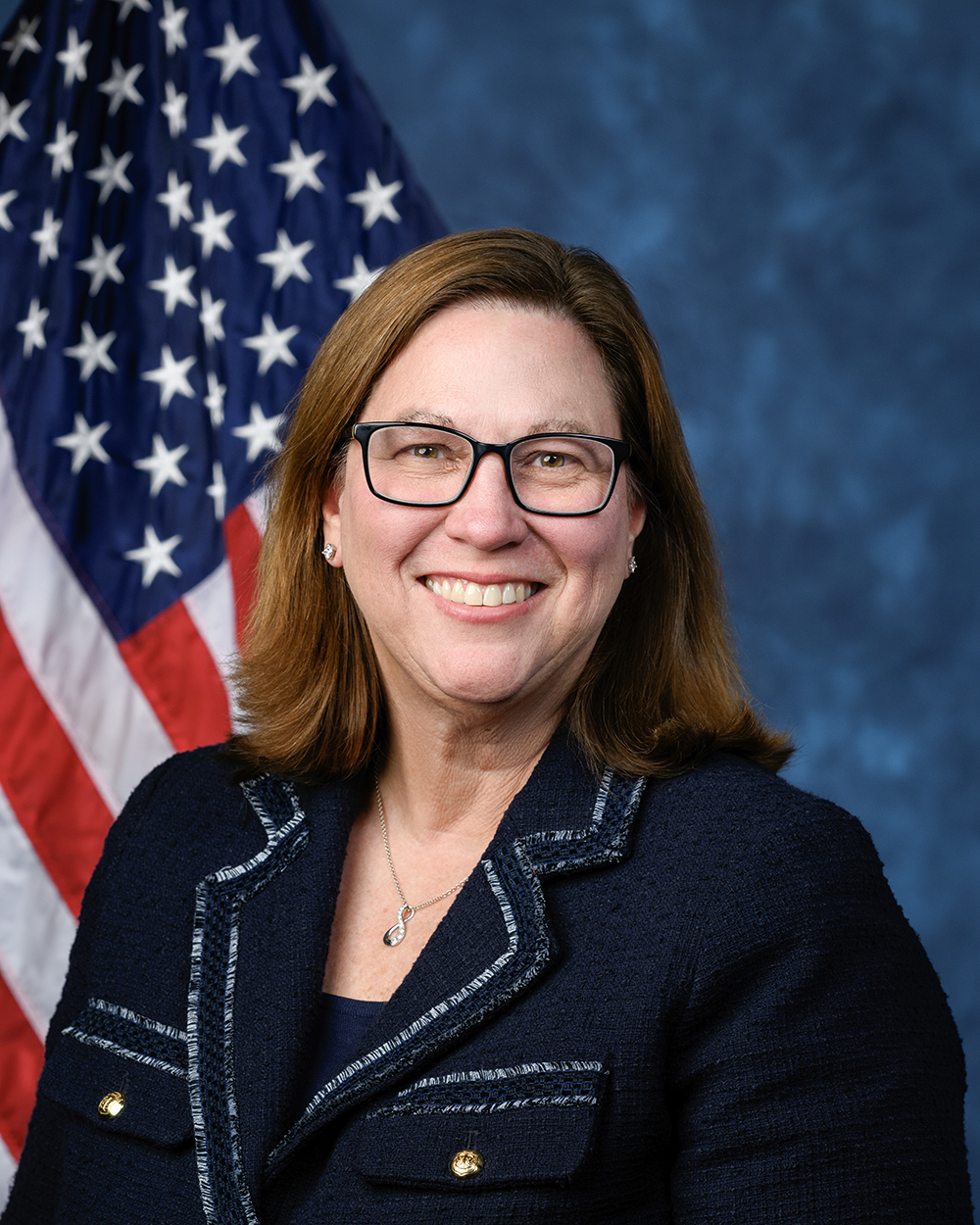
Rep. Julie Johnson
Sponsored bills
Frederick Douglass Trafficking Victims Prevention and Protection Reauthorization Act of 2025 This bill reauthorizes programs and activities that combat international trafficking; establishes a new program to help victims of trafficking; and updates various elements of the federal framework to combat international trafficking. Specifically, this bill reauthorizes through FY2029 programs and activities at various federal departments and agencies to combat international trafficking and reduce the prevalence of modern slavery. The bill also reauthorizes International Megan’s Law through FY2029. Among its provisions, the law requires sex offenders to provide certain information about their intended travel outside of the United States. Additionally, the bill authorizes the Department of Health and Human Services to carry out a new program to help victims of trafficking integrate or reintegrate into society. The bill requires the Department of State's Trafficking in Persons Report to include information about trafficking in persons for the purposes of organ removal. With respect to country rankings for anti-trafficking efforts, the bill narrows the types of countries that are listed on the Tier 2 Watch List and increases the length of time a country may remain on the Tier 2 Watch List after being downgraded to the lowest ranking and then reinstated to the watch list. (The Tier 2 Watch List refers to countries that are making efforts to meet international standards for combatting human trafficking but still have a significant number of severe trafficking cases.) Finally, the bill requires counter-trafficking strategies, activities, and efforts to be further incorporated into U.S. foreign assistance.
Maddy summaryHR 4559, the Prompt and Fair Pay Act, requires Medicare Advantage (MA) plans to pay healthcare providers the same amount as original Medicare (fee-for-service) for covered services starting in 2027, directly affecting MA plans and providers who treat Medicare patients. It mandates that MA plans pay "clean claims" (claims with no missing information) within 14 days for electronic submissions or 30 days for paper claims, with interest penalties for late payments based on Treasury rates. The bill also requires MA plans to clearly explain claim denials and provide timely notifications about missing information, improving transparency and reducing payment delays. These changes aim to standardize payments between MA plans and traditional Medicare while ensuring providers receive timely compensation.
Maddy summaryHR 4545, the Medicare Breast Reconstruction Access and Information Act, requires healthcare providers to inform Medicare patients about coverage for breast reconstruction surgery before performing a mastectomy. The bill amends the Social Security Act to mandate that suppliers providing a mastectomy must explain that reconstruction is covered under Medicare's national coverage determination 140.2 and document this discussion in the patient's medical record. This applies specifically to Medicare beneficiaries undergoing medically necessary mastectomies. The law ensures patients receive clear information about existing coverage options prior to surgery, without changing Medicare's benefit structure.
Maddy summaryThis bill prohibits federal and state governments from restricting access to FDA-approved medicines. It guarantees individuals the right to obtain these medicines without coercion and allows healthcare providers (like doctors and pharmacists) to prescribe or refer for them. The law blocks governments from implementing rules that single out or hinder the sale, provision, or use of FDA-approved drugs, such as bans on specific medicines or barriers to patient access. It does not affect the FDA's drug approval process or existing health insurance coverage requirements.
Maddy summaryThe Cool Corridors Act of 2025 expands the existing Healthy Streets program to fund tree planting, shade structures, and green infrastructure along transportation corridors - like bus stops, transit hubs, and school zones - to reduce heat exposure. It directly affects communities facing extreme heat and limited tree canopy (especially low-income or historically underserved areas), as well as state/local transit agencies, schools, and environmental groups. Key provisions include requiring projects to prioritize heat-vulnerable regions, mandate annual reporting on temperature reduction and equity outcomes, and ensure tree planting doesn’t obstruct traffic safety. The bill also extends program funding through 2030 and mandates coordination with agencies like the EPA and Forest Service.
Maddy summaryHR 4390, the U.S. Diplomatic Posture Review Act of 2025, requires the State Department to conduct regular reviews of its global diplomatic presence. The bill mandates the Secretary of State to submit an initial report within 180 days of enactment, followed by annual updates, detailing all diplomatic posts (including embassies, consulates, and virtual offices), consular service quality for Americans overseas, resource needs, foreign aid spending by country, and financial obligations. These reports must include an unclassified summary and be accompanied by classified briefings to Congress on proposed adjustments to diplomatic staffing and strategic priorities. The law directly affects the State Department’s operations and requires annual congressional oversight of diplomatic resource allocation.
Maddy summaryHR 4382 authorizes the U.S. Mint to produce commemorative coins for the 2028 Los Angeles Olympics/Paralympics and 2034 Salt Lake City Winter Olympics/Paralympics. It specifies gold, silver, and half-dollar coin designs with defined mintage limits (e.g., up to 100,000 $5 gold coins for each event), all bearing inscriptions like "2028" or "2034" and standard coin features. A surcharge ($5-$50 per coin) is added to sales, with all funds directed to the respective Olympic committees to support event hosting and legacy programs like youth sports. The bill ensures no net cost to the government by requiring surcharge revenues to cover all design, production, and marketing expenses before funds are disbursed.
Maddy summaryHR 4358, the Anti-Rigging Act of 2025, limits how often states can redraw congressional districts after a census. It prohibits states from redistricting again until after the next census - unless a court orders it to comply with the Constitution or the Voting Rights Act. This directly affects states that conduct congressional redistricting, preventing frequent changes to U.S. House districts between decennial censuses. The bill explicitly states it does not impact how states conduct elections for state or local offices. It applies to redistricting following the 2020 census and future cycles.
Maddy summaryThe PBM Reform Act of 2025 aims to increase transparency and fairness in pharmacy benefit manager (PBM) operations within Medicare Part D and Medicaid programs. The bill requires Medicare Part D plans to allow any pharmacy meeting standard terms to join their networks, establishes "essential retail pharmacies" in underserved areas (with limited pharmacy access), and mandates detailed reporting on drug pricing, rebates, and reimbursement rates. It creates a process for pharmacies to report PBM violations of reasonable contract terms and prohibits "spread pricing" in Medicaid, where PBMs retain the difference between what they pay pharmacies and what they charge plans. These provisions aim to improve pharmacy access for Medicare beneficiaries and ensure fairer reimbursement practices for pharmacies.