

Maddy summaryHR 6791 authorizes grants to help local governments, tribes, and utility groups fix infrastructure near U.S. land ports of entry, such as roads, water systems, or waste facilities within 25 miles of a port. It prioritizes projects improving border security (like drug seizure rates), trade efficiency, community resilience, and quality of life for border patrol families. Recipients must cover at least 30% of costs (lowered or waived for rural areas or security projects), with the government reimbursing up to 70% for eligible pre-2021 work. The bill focuses on tangible infrastructure upgrades directly tied to port operations, not broader policy changes.
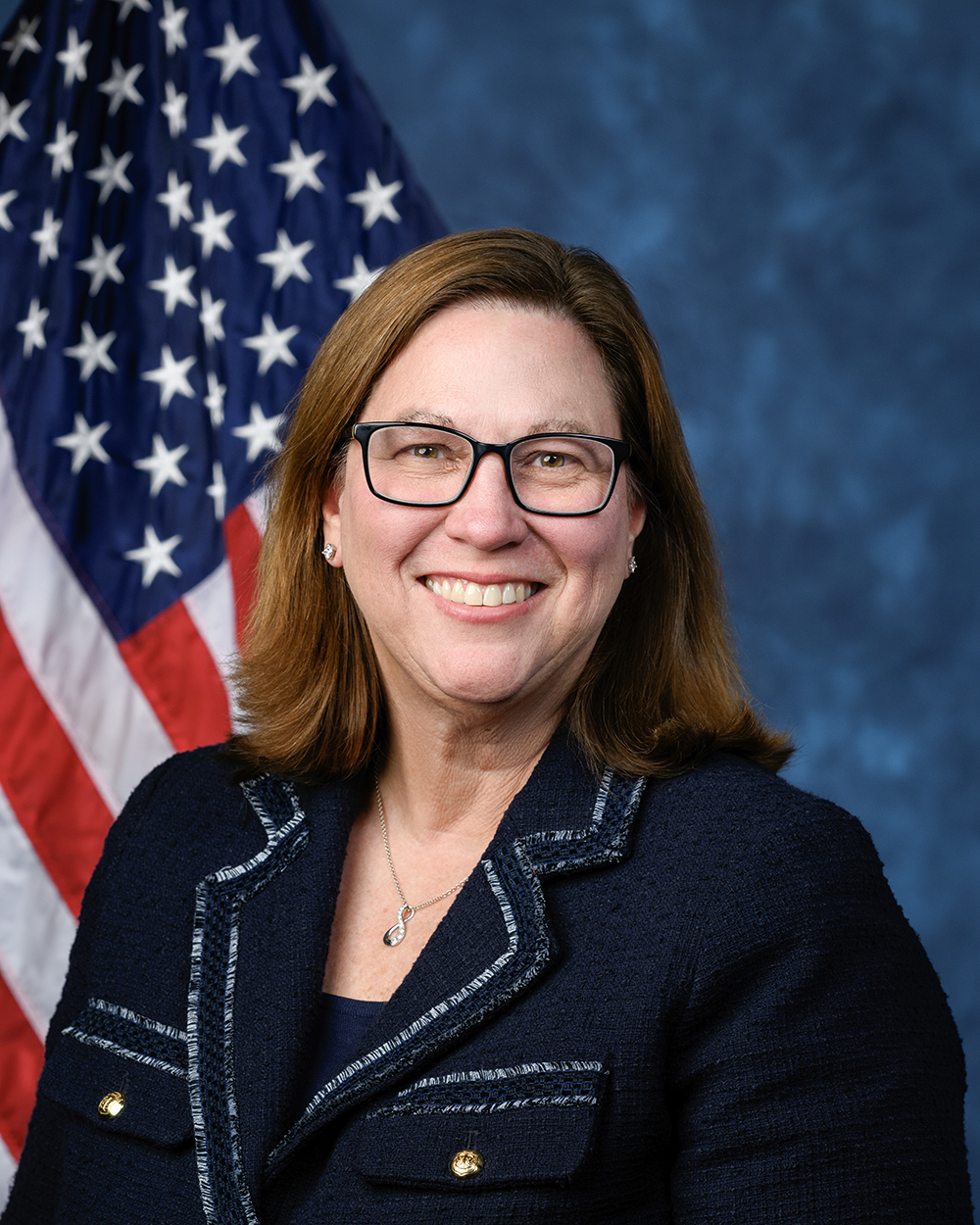
Rep. Julie Johnson
Sponsored bills
Maddy summaryHRES 955 is a symbolic House resolution recognizing the importance of maintaining U.S. leadership in ending pediatric HIV/AIDS globally. It affirms support for existing programs like PEPFAR and the Global Fund, which provide critical prevention services (e.g., antiretroviral prophylaxis for pregnant women) and treatment for children. The resolution specifically calls for continued commitment to closing the treatment gap for children, expanding access to long-acting prevention methods, and advancing the Global Alliance to End AIDS in Children by 2030. As a recognition measure, it does not create new laws or allocate funding but underscores ongoing U.S. efforts to prevent mother-to-child transmission and improve pediatric HIV outcomes.
Maddy summaryThis House resolution (HRES 952) expresses the U.S. House of Representatives' support for Gibraltar's right to determine its own political status as a British Overseas Territory through self-determination. It recognizes Gibraltar's democratic choices - where over 98% of voters chose to remain under British sovereignty in 1967 and 2002 - and highlights Gibraltar's historical role in U.S. military operations, including World War II and NATO missions. The resolution affirms that Gibraltarians' views must be central to any discussions about Gibraltar's future status, while acknowledging the territory's strategic importance to U.S. security interests in the Mediterranean. As a non-binding resolution, it does not alter U.S. policy but formally honors Gibraltar's contributions and right to self-determination under international law.
Maddy summaryHR 6769 establishes a federal grant program to fund the complete destruction of firearms by state, tribal, and local governments. Eligible entities must submit applications detailing how they will fully destroy all firearm parts (including frames, barrels, and accessories) and maintain records, with grants covering equipment, contracted services, and staff training. The program allocates $15 million annually from 2026-2031, requiring grantees to use no more than 10% of funds for administration and reserving one-third of funding for small urban or rural areas. All grant recipients must provide documented proof of destruction through written policies and verified records. This is a direct funding mechanism for firearm disposal, not a crime-reduction measure.
Maddy summaryThis bill extends the open enrollment period for 2026 health insurance plans from November 2025 to May 2026, giving more time for individuals to enroll. It creates a monthly special enrollment period for people with household income under 150% of the federal poverty line who qualify for premium tax credits. The bill also requires health insurance marketplaces to fund navigators (enrollment assistance organizations) with a physical presence in each state, and allocates $100 million annually for federal exchanges to support these services. These changes directly affect millions of Americans seeking affordable health coverage through the Affordable Care Act marketplaces.
Maddy summaryHR 6731, the "Restore Trust in Government Act," requires Members of Congress, the President/Vice President, and their spouses or dependent children to divest certain financial investments during federal service. It defines "covered investments" broadly (including stocks, commodities, and derivatives) but excludes Treasury bonds, municipal bonds, family farm interests, and some Alaska Native Settlement stock. Covered individuals must sell holdings within 90-180 days of taking office or enacting the law, with limited exceptions for qualified blind trusts or spouses’ occupational trading. Violations incur a 10% fee on the investment value and require returning profits, paid to the Treasury. Ethics offices enforce these rules, publish penalty details, and issue divestiture certificates.
Maddy summaryThis bill updates financial literacy training requirements for military members. It modifies the mandatory financial literacy survey to specifically gather data from enlisted personnel at E-7 or below and officers at O-4 or below, asking about their current financial knowledge, preferred learning methods (like online modules or peer programs), and specific needs (such as debt management or home buying). The Secretary of Defense must also improve tracking of training completion, address reasons for non-participation, and establish performance measures to evaluate program effectiveness. Finally, the Department must submit a detailed implementation timeline and strategy to Congress for these changes.
Maddy summaryThe Protect America's Workforce Act cancels an executive order issued on March 27, 2025, that excluded certain groups from federal labor-management relations programs, making it legally unenforceable. It also ensures that all collective bargaining agreements between federal agencies and labor unions, which were active as of March 26, 2025, remain fully effective until their agreed terms expire. This directly affects federal agencies, labor unions, and the employees covered by these agreements. The bill prevents federal funds from being used to implement the canceled executive order while preserving existing labor agreements.
Maddy summaryThis bill amends the Higher Education Act to extend the loan limits for graduate and professional students indefinitely. It removes the previous expiration date (June 30, 2026) for these limits, meaning graduate and professional students will continue to have access to the same federal loan amounts without a set end date. The key change modifies Section 455(a) by eliminating the sunset provision and updating the effective date language in the law. This directly affects students pursuing advanced degrees who rely on federal loans for tuition and living expenses. The bill makes a technical adjustment to existing student loan policy without creating new benefits or altering eligibility criteria.
Maddy summaryHR 6579, the Justice for Breonna Taylor Act, requires federal, state, and local law enforcement officers to provide notice of their authority and purpose before entering a premises with a warrant. This applies to all officers serving warrants, including those at the federal level and state/local agencies receiving Department of Justice funding. The law mandates this notice requirement starting in the first fiscal year after enactment, directly affecting law enforcement agencies that receive federal funding for policing. It changes the process for executing warrants by eliminating the ability to conduct no-knock entries without first informing occupants.