

Maddy summaryHR 3240 grants a federal charter to the Veterans Association of Real Estate Professionals (VAREP), a California-based nonprofit already recognized as a veterans service organization under IRS tax law. The bill establishes specific rules for VAREP, requiring it to maintain its tax-exempt status, submit annual reports to Congress, and follow restrictions like not issuing stock, making political contributions, or claiming government authority. VAREP must continue its existing mission of supporting veterans through financial literacy programs, housing assistance (including foreclosure prevention), workforce development, and suicide awareness initiatives. This charter does not create new government benefits but formally recognizes and regulates this specific organization's federal status.
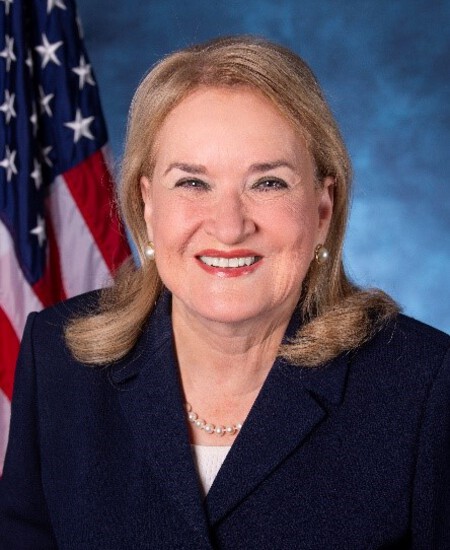
Rep. Sylvia R. Garcia
Sponsored bills
Maddy summaryHR 2757, the Puerto Rico Status Act, establishes a process for Puerto Rico to determine its political status through a plebiscite on November 2, 2025, offering three options: independence, sovereignty in free association with the United States, or statehood. If no option receives a majority in the initial vote, a runoff plebiscite would be held on March 8, 2026. The bill outlines transition processes for each option, including constitutional conventions, implementation steps, and provisions for citizenship, immigration, and economic benefits. It mandates bilingual voter education materials and requires oversight by the Elections Commission and the Attorney General to ensure fair representation of all options. This legislation directly affects Puerto Rico's residents by providing a structured process to choose their permanent political relationship with the United States.
This resolution declares gun violence to be a public health crisis. It also urges the Centers for Disease Control and Prevention to expand research and data collection on preventing gun violence and the Surgeon General to report on firearm injuries and violence prevention.
Maddy summaryThis bill would create a pathway to permanent residency for non-citizens who worked in designated essential sectors during the pandemic. It would allow eligible workers in healthcare, emergency response, sanitation, food services, agriculture, construction, and other critical industries to apply for permanent residence if they've been physically present in the U.S. since January 1, 2023, after meeting background check requirements. The bill includes application fee exemptions for low-income applicants and protections against employer retaliation for workers seeking documents to support their applications. It also includes special provisions for those who have been ordered removed from the U.S. to apply for status under this program.
Maddy summaryThis bill establishes a Space National Guard as part of the organized militia in states, territories, Puerto Rico, and D.C. where the Space Force operates, creating two distinct components: state-level "Space National Guard" forces and a federal "Space National Guard of the United States" that serves as the Space Force's reserve component. It defines these terms in federal law, clarifies their structure (including personnel requirements and status when not on active duty), and requires implementation within 18 months, with annual congressional briefings on progress. The bill does not create new missions or funding but formalizes existing National Guard roles within the Space Force framework.
Maddy summaryHRES 341 is a nonbinding resolution expressing the House's support for maintaining cash as a viable payment option. It highlights that 18.6% of U.S. households (nearly 6 million) rely solely on cash due to lack of bank access, privacy concerns, and risks associated with digital payments like data breaches. The resolution cites legal tender status under U.S. Code and Federal Reserve Chair Powell's testimony emphasizing cash's critical role for unbanked and low-income communities. It does not create new laws but urges businesses to accept cash to protect consumer privacy and financial security.
Original Fair Housing Resolution of 2023 This resolution expresses support for the goals and values of the 55th anniversary of the Fair Housing Act and for efforts to strengthen housing protections.
Maddy summaryThe Returning Home Act (HR 2994) establishes a new federal grant program to provide rental assistance and housing support for individuals recently released from incarceration. It directly affects people leaving prisons, jails, juvenile facilities, or halfway houses who are at risk of homelessness or housing insecurity within 365 days of release. The program funds 24 months of rental assistance (60% minimum), housing counseling, case management, landlord incentives, and other supportive services like pre-release planning and mental health referrals. It authorizes $100 million annually for these services and prohibits funding for law enforcement entities.
Maddy summaryHR 3006 creates a competitive grant program for colleges to place licensed social workers and social work students in public libraries, particularly in underserved communities. The bill requires participating colleges to partner with libraries, pay interns at least $15/hour, and ensure social workers provide referrals to health, mental health, and financial services - without offering direct medical care or reporting undocumented immigrants. Libraries must provide space and support for social workers and interns, while the program includes a national technical assistance center to share best practices. This directly affects public libraries in high-need areas, social work students seeking field placements, and licensed social workers expanding community service access.
Maddy summaryThe PREPARE Act establishes a new pre-disaster mitigation loan program for small businesses through the Small Business Administration (SBA). It authorizes $25 million annually from 2024 to 2028 to provide loans of up to $500,000 per business, enabling small businesses to fund projects that protect their property and operations from disaster damage (e.g., flood barriers or structural reinforcements). The SBA must conduct targeted outreach to businesses in economically distressed areas, offer technical assistance, and require borrowers to maintain insurance during loan terms. Annual reports will track program outcomes, including project types, cost savings avoided, and regional impacts, to evaluate effectiveness.