

Maddy summaryThe Universal School Meals Program Act of 2023 would establish a universal school meals program providing free breakfast and lunch to all children enrolled in participating schools, regardless of family income. Key provisions include eliminating income-based eligibility requirements for school breakfast and lunch programs, setting specific reimbursement rates ($2.80 for breakfast and $4.63 for lunch with annual inflation adjustments), and prohibiting schools from collecting debt for unpaid meals or "shaming" students. The bill also replaces references to "free or reduced price" with "economically disadvantaged students" in related laws and establishes new methods for identifying children from low-income backgrounds. This legislation would directly affect all public schools participating in the National School Lunch Program and School Breakfast Program.
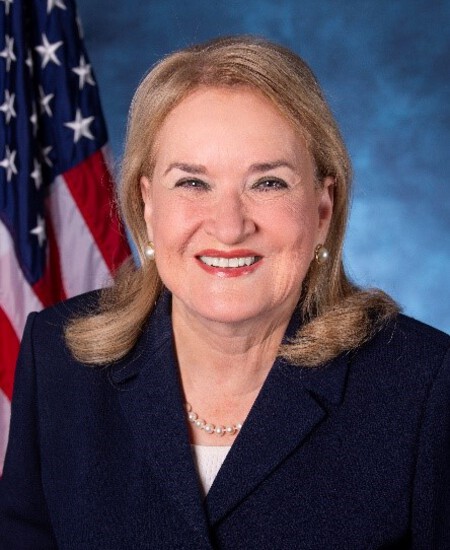
Rep. Sylvia R. Garcia
Sponsored bills
Maddy summaryThis bill removes a barrier for college students seeking food assistance by amending the SNAP program rules. It directly affects students enrolled at least half-time in recognized colleges or training programs, who were previously automatically ineligible unless they met separate requirements. The key change eliminates the prior restriction (in section 6(e)) that barred most higher education students from SNAP, allowing them to qualify under the new provision in section 3(m)(5)(F). The changes take effect January 2, 2024.
Maddy summaryThe SHOPP Act (HR 3127) expands the types of healthy foods SNAP participants can buy with their benefits. It allows fresh frozen fruits and vegetables to count toward nutrition incentives year-round and adds legumes (like beans and lentils) to the list of eligible items. This directly affects SNAP recipients by increasing access to affordable, nutritious options beyond just fresh produce. The changes take effect March 6, 2024, modifying the 2008 Food, Conservation, and Energy Act.
Maddy summaryHR 3713 creates federal grants to fund comprehensive school-based mental health programs for students in grades K-12, including those in Bureau of Indian Education schools. It requires partnerships between schools and community mental health providers to deliver trauma-informed, culturally appropriate services addressing suicide risk, grief, violence, and trauma exposure. The bill authorizes $300 million annually (2024-2027) for these programs, mandating privacy protections under HIPAA and FERPA, and requires annual reporting on program effectiveness.
Maddy summaryThe Real Education and Access for Healthy Youth Act of 2023 would provide federal grants to support comprehensive sex education and sexual health services for young people ages 10-29, with specific focus on marginalized communities including Black, Indigenous, Latine, Asian American, Native Hawaiian, Pacific Islander, and LGBTQ+ youth. The bill authorizes $100 million annually for 2024-2029 to fund programs through grants for elementary/secondary schools (section 4), colleges (section 5), educator training (section 6), and youth-friendly sexual health services for marginalized young people (section 7). These programs must be evidence-informed, medically accurate, culturally responsive, age-appropriate, and trauma-informed, while addressing racial and gender inequities in current sex education approaches. The bill also repeals the "abstinence-only-until-marriage" program and redirects its funding to support this comprehensive approach, requiring grantees to report on implementation and impact.
Maddy summaryThis bill amends the Older Americans Act to better serve LGBTQI older adults (defined as lesbian, gay, bisexual, transgender, queer, intersex individuals, and those living with HIV) by adding specific definitions and creating new support structures. It establishes an Office of LGBTQI Inclusion within the Administration on Aging, led by a Director and Assistant Director, to coordinate services, advocate for this community, and collect data on their challenges. The bill also creates a National Resource Center on LGBTQI Aging to provide training and resources to organizations serving LGBTQI older adults and requires data collection on discrimination against them in long-term care settings. These changes aim to improve access to culturally competent services and address the unique needs of LGBTQI older adults through concrete policy updates.
Maddy summaryHR 3607, the SYLLABLE Act of 2023, creates a federal grant program to fund high-quality dual language immersion programs for students from low-income families, English learners, and minority children. It authorizes up to $15 million in funding for fiscal year 2024 to award no more than five grants to local educational agencies, requiring partnerships between schools, early childhood programs, and technical assistance providers. The grants support bilingual programs from preschool through fifth grade that use the partner language for at least half of instruction, include teacher training in dual language teaching, and measure student progress in both English and the partner language. The program must serve high-need schools and evaluate outcomes like literacy development, academic achievement, and program effectiveness over five years.
Maddy summaryHR 3606 (FLUENT Act) creates a federal grant program to expand family literacy services for English language learner families, targeting caregivers with limited English proficiency. It authorizes $50 million annually (2024-2028) for grants up to $1 million each to organizations providing research-based programs that include interactive caregiver-child literacy activities, adult education, and school collaboration. The program requires grantees to improve children's English language skills, primary language literacy, and caregivers' ability to support education, with measurable outcomes tracked across seven key areas. It prioritizes "hardest-to-reach" families and mandates services for children under age 8 with caregivers aged 16+.
Maddy summaryHR 3605, the Reaching English Learners Act, creates a new federal grant program to improve teacher preparation for educators working with English learners. The bill authorizes competitive grants to partnerships between colleges and school districts (high-need local educational agencies or early childhood programs) to develop or strengthen teacher training programs. These grants fund evidence-based strategies like bilingual education and dual-language instruction, clinical classroom experiences with English learners, and training on supporting students with disabilities who are English learners. Partners must contribute 50% of costs from non-Federal sources and track outcomes like teacher certification rates and employment in high-need schools. The program aims to ensure future teachers meet state requirements to effectively support English learners in early childhood, elementary, and secondary education.
Maddy summaryThe AIR PUMP Act requires airlines to provide nursing crew members (like flight attendants and pilots) with reasonable break time to express breast milk for up to one year after their child's birth, as well as a private, non-bathroom space for this purpose. It specifically excludes breaks during critical flight phases and ensures accommodations won't compromise safety, security, or require significant costs (e.g., aircraft modifications). The bill includes anti-retaliation protections for employees who request accommodations or file complaints, and enforces these requirements through the Department of Labor using existing Fair Labor Standards Act mechanisms. This directly affects airline employees who are nursing parents and their employers, aligning airline workplace policies with federal breastfeeding protections.