

Maddy summaryThe Equal Dignity for Married Taxpayers Act of 2023 updates the Internal Revenue Code to use gender-neutral language regarding married couples. It replaces terms like "husband and wife" with "married couple" and "his spouse" with "the individual's spouse" throughout tax code provisions. The bill makes these language changes to ensure the tax code applies equally to all married couples regardless of gender, without altering tax rates, deductions, or other substantive tax policies. This affects all married taxpayers and tax professionals who apply the tax code. The bill is a language update rather than a policy change, making the tax code more inclusive while maintaining existing tax treatment.
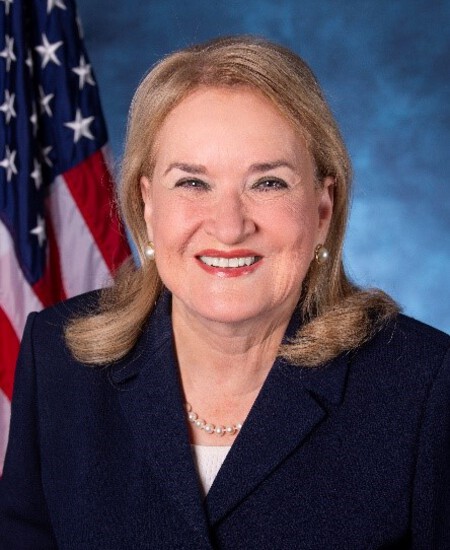
Rep. Sylvia R. Garcia
Sponsored bills
Healthcare Equality and Rights for Our Heroes Act or the HERO Act This bill allows claims to be brought against the United States for damages relating to the personal injury or death of a member of the Armed Forces arising out of a negligent or wrongful act or omission in providing medical, dental, or related health care functions at a military medical treatment facility. However, the bill does not apply to care provided at a medical treatment location deployed in an area of armed combat.
Maddy summaryHR 4335, the VA Loan Informed Disclosure Act of 2023, requires mortgage lenders to include specific information about VA home loan programs in standard mortgage disclosures. The bill amends the National Housing Act to mandate that lenders provide details on VA loans (guaranteed under Title 38) alongside other loan options, including assumptions about prevailing interest rates. This change directly affects lenders processing VA-guaranteed mortgages, ensuring borrowers receive clearer comparisons between VA loans and other financing. The law does not require lenders to verify borrower eligibility for VA loans, only to include the specified disclosure language.
Maddy summaryThe PRIDE Act of 2023 amends the Internal Revenue Code to replace gender-specific terms like "husband and wife" with gender-neutral language such as "married couple" or "spouses" across numerous tax code sections. This bill affects all legally married couples who file federal tax returns by updating language in over 30 sections of the tax code related to filing status, deductions, credits, and other tax matters. The bill is a language update that makes the tax code more inclusive without changing existing tax treatment for married couples. It does not alter tax rates, benefits, or policies, but ensures all provisions apply equally regardless of gender.
Maddy summaryThis bill reauthorizes the Virginia Graeme Baker Pool and Spa Safety Act by creating a federal grant program to improve swimming pool safety across the United States. The program provides funding to states, Indian Tribes, and qualified nonprofit organizations that have enacted swimming pool safety laws meeting federal standards. Grant recipients must use at least 25% of funds for hiring and training personnel to enforce safety standards and inspect pool drain covers, with the remainder for public education and swimming lessons (limited to 25% of that portion). The bill authorizes $5 million annually from 2024-2028 for these grants and a separate $5 million for public education campaigns, requiring annual reporting on program implementation and effectiveness.
Maddy summaryHR 3698, the Feed Hungry Veterans Act of 2023, amends the Food and Nutrition Act of 2008 to expand eligibility for SNAP (Supplemental Nutrition Assistance Program) benefits to more veterans. It adds four new categories of veterans who can qualify: those with a "catastrophically disabled" status under military disability law, veterans under 65 receiving a pension under specific veteran benefits law, and those meeting existing high-disability rating thresholds. This change directly affects veterans who previously did not meet the program’s eligibility criteria but now qualify under these expanded definitions. The bill takes effect on October 1, 2023, making these eligibility changes operational for SNAP enrollment.
Maddy summaryHR 3519, the Hot Foods Act of 2023, amends the Food and Nutrition Act of 2008 to allow Supplemental Nutrition Assistance Program (SNAP) benefits to be used for hot foods or hot food products ready for immediate consumption at participating retailers. This change directly affects SNAP recipients who purchase such hot foods and retailers that sell them. The key provision removes the previous exclusion of hot foods from SNAP eligibility, while adding a limit that no more than 50% of a retailer's total gross sales from SNAP can come from hot foods. The bill clarifies that hot foods can be purchased for home or immediate consumption, aligning SNAP rules with current retail practices for prepared foods.
Maddy summaryThe SAFE Act of 2023 extends a 2018 law that prohibits slaughtering animals for human consumption to include horses, donkeys, and other equine animals, such as ponies. It amends Section 12515 of the Agriculture Improvement Act of 2018 by updating the language to replace "dog or cat" with "dog, cat, or equine" in both the section title and the main prohibition. This change directly affects the livestock industry and slaughter facilities by banning the processing of equines for food. The bill modifies existing law without adding new enforcement mechanisms, closing a gap in animal protection.
Maddy summaryTim's Act establishes pay parity for federal wildland firefighters by creating special base pay rates that are higher than standard General Schedule rates, with specific percentage increases (ranging from 1.5% to 27%) for different grades. It also creates incident standby premium pay (50% of basic pay) for designated sleep/rest periods during wildfire incidents and requires rest and recuperation leave after qualifying incidents. The bill includes provisions for tracking chronic diseases through a new database, mental health support programs, and retirement benefits specifically for wildland firefighters. It directly affects federal wildland firefighters employed by the Department of Agriculture, Department of the Interior, and Tribal Firefighters who maintain specific qualifications for wildland fire management.
Maddy summaryThe LGBTQI+ and Women's History Education Act of 2023 would provide $2 million annually for five years to develop educational resources about women's and LGBTQI+ history for K-12 classrooms. The bill directs the Smithsonian's National Museum of American History to create inclusive teaching materials that address historical gaps where women and LGBTQI+ individuals, particularly those of color and with disabilities, have been underrepresented. These resources would include digital content, print materials, and professional development for teachers to help implement more comprehensive curricula. The bill aims to address findings showing only 13% of named historical figures in textbooks are women and that LGBTQI+ history is often omitted or marginalized in school curricula. The program would require annual reports to Congress on how funds are used, with the program set to sunset in 2028.