

Maddy summaryThis bill requires the military to approve leave for abortion and fertility care without commanders needing to know the specific procedure. It mandates reimbursement for travel, lodging, meals, and transportation costs when care isn't available nearby, and prohibits punishment for using this leave. It directly affects active-duty service members and their dependents who face barriers to reproductive care due to military restrictions or location. The policy change removes command discretion in approving leave for time-sensitive reproductive health services.
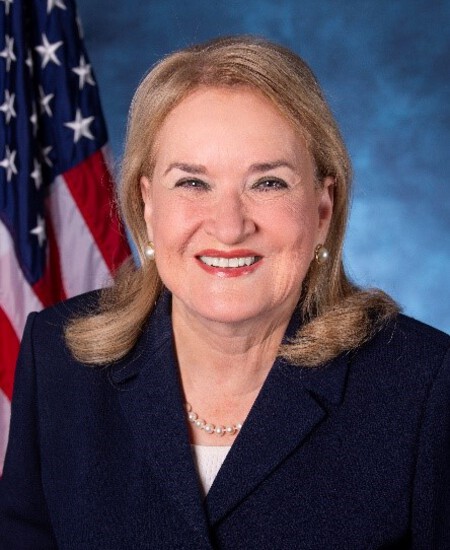
Rep. Sylvia R. Garcia
Sponsored bills
Maddy summaryHRES 1056 is a non-binding House resolution calling for the U.S. to formally end the Monroe Doctrine as official policy and develop a "New Good Neighbor" approach to relations with Latin American and Caribbean nations. It proposes specific policy shifts, including ending unilateral sanctions (like the Cuba embargo), reforming international financial institutions to support equitable development, and ending U.S. interference in regional judicial processes. The resolution directly affects U.S. foreign policy toward 34 countries in the region and aims to reshape diplomatic, economic, and security cooperation. As a resolution, it does not create new law but urges the State Department and Congress to adopt these changes.
Maddy summaryThis bill amends disaster preparedness funding rules to better support companion animals during emergencies. It adds a new 90% federal funding option for specific pet-related preparedness activities, alongside the existing 50% option. States, localities, and tribes receiving disaster grants can now use funds for items like collapsible crates, mobile pet trailers, veterinary supplies, emergency generators, and animal response team training. The law directly affects government entities managing disaster response by expanding allowable uses of existing grant money for pet safety.
Maddy summaryThe PART Act requires new vehicles to have catalytic converters marked with a unique identification number that links directly to the vehicle's identification number, stored in a law enforcement-accessible database. It establishes a $7 million grant program to help repair shops, dealers, law enforcement, and fleet owners purchase equipment for marking converters with visible, durable identifiers (using die or pin stamping and high-visibility paint). The bill also mandates that businesses buying catalytic converters keep detailed seller records (including vehicle information) for two years and use traceable payments, banning cash or cryptocurrency transactions. Additionally, it creates new federal criminal penalties for stealing or trafficking in catalytic converters, with potential sentences of up to five years in prison.
Maddy summaryHRES 1035 is a non-binding House resolution condemning recent and proposed workforce reductions at FEMA, which the resolution states endanger the agency's ability to prepare for, respond to, and recover from disasters. It specifically cites a 35% staffing shortage at FEMA (per GAO) and notes that over 2,000 permanent staff left FEMA in 2025, weakening disaster response during events like Hurricanes Helene and California wildfires. The resolution expresses concern that staffing cuts would delay aid, reduce assistance to vulnerable communities (including rural, coastal, and wildfire-prone areas), and undermine counterterrorism programs supporting first responders. It calls for a stable, adequately resourced FEMA workforce to ensure effective disaster management, without proposing new legislation or policy changes.
Maddy summaryHRES 1002 is a symbolic House resolution recognizing the Older Americans Act (OAA) nutrition program, which provides meals and social services to seniors aged 60+. It directly affects millions of older adults - particularly those who are homebound, isolated, or facing hunger, malnutrition, or chronic health conditions - by highlighting how the program reduces hospital visits, lowers healthcare costs, and improves quality of life. Key provisions include acknowledging the program’s role in preventing falls and institutionalization, emphasizing volunteer support as its "backbone," and urging Congress to secure sustained federal funding. As a non-binding resolution, it does not change policy but formally endorses the program’s value and calls for community and legislative support.
Maddy summaryHR 7385 establishes a federal grant program to expand access to HIV prevention through PrEP (pre-exposure prophylaxis) for uninsured individuals at high risk of HIV infection. The bill authorizes $400 million annually (2027-2031) to fund grants for eligible entities like clinics, community organizations, and tribal governments to cover PrEP-related costs - including medication, testing, counseling, and transportation - without requiring patient payment. Priority is given to programs serving rural areas, uninsured populations, or high-risk demographic groups, with grantees required to contribute 10% of program costs (except for certain health centers). The program also mandates a "PrEP Pass" card system to streamline access and requires annual reports tracking usage by race, gender, age, and location to measure impact on HIV prevention disparities.
Maddy summaryHR 7344, the Affordable Housing Supply Chain Clarity Act, requires the Department of Housing and Urban Development (HUD) to clarify how "Build America, Buy America" rules apply to the Home Investment Partnerships Program (HOPA), which funds affordable housing development. Specifically, HUD must complete a review within 180 days of enactment, issue updated guidance within 90 days of the review, and submit a report to Congress within 270 days. This bill directly affects housing developers and local governments receiving HOPA funds by providing clearer rules for sourcing materials and labor under existing federal requirements. It does not change funding or create new housing but aims to reduce confusion in applying current procurement rules to affordable housing projects.
Maddy summaryHR 7335 establishes comprehensive humanitarian standards for individuals held in U.S. Immigration and Customs Enforcement (ICE) and U.S. Customs and Border Protection (CBP) custody. The bill requires facilities to provide immediate health screenings within 12 hours (6 hours for high-risk individuals like children, pregnant people, or those with medical conditions), ensure access to adequate water, sanitation, food (with 2,000+ calories daily for adults), and age-appropriate shelter. It mandates specific facility standards including separate housing for males and females, accessible accommodations for people with disabilities, daily outdoor access for those detained over 48 hours, and proper medical equipment and personnel on-site. The bill also requires regular inspections, staff training on humanitarian protocols, and public reporting of sexual abuse complaints. These standards directly affect all individuals detained by ICE or CBP, with special protections for vulnerable groups like children, pregnant people, and those with medical needs.
Maddy summaryThe D-BLOC Act (HR 6790) requires railroads to limit train blockages at public highway-rail crossings to 10 minutes or less, except in emergencies like accidents, track obstructions, or safety compliance. Railroads must report all blockages exceeding 10 minutes via a federal portal, maintain detailed records of incidents, and face civil penalties for repeated violations after a 60-day notice period. The law exempts penalties if an alternate route exists within half a mile or a grade separation project is underway with funding. It directly affects Class I railroads (major freight carriers) and applies to all public highway-rail crossings nationwide, excluding Amtrak and commuter rail operations. The bill builds on an existing FRA portal established in 2019 to track and address recurring blockages.