

Maddy summaryThe Paycheck Fairness Act (HR 17) strengthens equal pay protections by amending the Fair Labor Standards Act. It prohibits pay discrimination based on sex, pregnancy, childbirth, sexual orientation, gender identity, and sex characteristics. The bill modifies employer defenses for pay differences to require demonstration that any disparity is job-related, consistent with business necessity, and accounts for the entire pay differential. It also prohibits employers from relying on wage history when making hiring decisions or setting pay, enhances penalties for violations, and requires the EEOC to collect compensation data disaggregated by sex, race, and national origin.
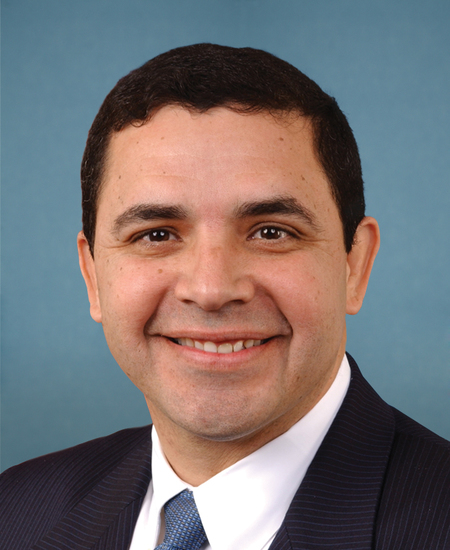
Rep. Henry Cuellar
Sponsored bills
Maddy summaryHR 1491, the Small Business Energy Loan Enhancement Act, increases the maximum loan amount for energy-related small business loans under the Small Business Investment Act of 1958 from $5.5 million to $10 million. This directly affects small businesses seeking financing for energy efficiency or renewable energy projects by doubling their potential loan access. The bill requires the Small Business Administration to submit annual reports to Congress detailing which industries and geographic areas received these enhanced loans. These changes aim to expand access to capital for qualifying energy projects without altering eligibility criteria.
Maddy summaryThis bill expands the use of 529 college savings accounts to cover career training and credentialing costs. It allows funds to pay for tuition, fees, books, and testing expenses related to recognized postsecondary credential programs (like vocational certifications) that meet specific standards under the Workforce Innovation and Opportunity Act. The change directly affects workers seeking industry-recognized credentials - such as nursing certifications or IT certifications - instead of traditional degrees. It treats these expenses the same as traditional college costs for 529 account withdrawals, making it easier to save for career-focused training. The provision applies to expenses paid after the bill's enactment date.
Maddy summaryThis bill, titled misleadingly as the "Customs Business Fairness Act," is actually a narrow amendment to bankruptcy law, not customs policy. It modifies Section 507(d) of the Bankruptcy Code to exclude "subparagraph (F)" from certain debt treatment rules, affecting businesses filing for bankruptcy under Title 11 after the law's enactment. The amendment applies only to bankruptcy cases commenced after the bill becomes law, not to cases filed before it was enacted. This is a procedural change with no direct impact on customs operations or import/export regulations.
Maddy summaryThe Modern, Clean, and Safe Trucks Act of 2023 would remove a 12-percent federal excise tax on new heavy trucks, tractors, and trailers. This tax, in place since 1917, adds $12,000 to $22,000 to the cost of a new truck and is argued to discourage replacing older, less efficient vehicles. The bill aims to lower costs for buyers - especially for electric and alternative-fueled trucks, which face higher upfront prices - by eliminating the tax, thereby encouraging adoption of newer, cleaner models. The repeal would apply to sales occurring on or after the bill's introduction date.
Maddy summaryHR 1390 requires federal agencies to annually identify and eliminate unnecessary programs or activities that are redundant, defunct, duplicative, or could be managed more effectively by another agency. Agencies must compile these lists within 20 days after the President submits the annual budget and publish them in specific government program inventories. The lists are then submitted to relevant congressional committees, including the House and Senate Appropriations Committees. This process aims to increase transparency and streamline government operations through mandatory annual reviews of agency programs.
Feral Swine Act This bill extends through FY2028 the feral swine eradication and control pilot program to respond to the threat feral swine pose to agriculture, native ecosystems, and human and animal health.
Maddy summaryThe LEO Fair Retirement Act of 2023 would allow federal law enforcement officers to include unpaid overtime hours toward their retirement benefits. Currently, these officers work significant overtime that isn't compensated due to pay caps, meaning they don't receive full credit for those hours in retirement calculations. The bill would amend retirement systems to include this unpaid overtime in retirement calculations, but officers would need to make a lump-sum payment to cover the difference between what they would have contributed to retirement if paid for the overtime versus what they actually contributed. This applies to specific federal law enforcement roles including criminal investigators, federal air marshals, special agents in the Diplomatic Security Service, probation officers, and pretrial services officers. The changes would take effect one year after the bill's enactment.
Maddy summaryHR 1322 expands federal retirement benefits to include specific non-traditional law enforcement roles. It adds IRS employees focused on tax collection, U.S. Postal Inspection Service staff, Department of Veterans Affairs police officers, and U.S. Customs and Border Protection seized property specialists to the definition of "law enforcement officer" under federal retirement systems. Current employees in these newly covered positions must elect to pay deposits for past service to receive full retirement credit, while their agencies must contribute additional funds for that past service. The bill also temporarily prevents mandatory separation for current law enforcement officers for three years after enactment.
Maddy summaryThe Military Spouse Hiring Act expands the Work Opportunity Tax Credit to include military spouses. Employers who hire a spouse of an active-duty military member - certified by a local agency as meeting eligibility requirements on the hiring date - can claim this tax credit. The credit reduces the employer's federal tax liability for hiring such individuals. This provision applies to new hires after the bill's enactment date.