

Maddy summaryThis bill (HJRES 163) is a congressional disapproval resolution targeting an Environmental Protection Agency (EPA) rule finalized on May 9, 2024. The EPA rule established new emissions standards for greenhouse gases from fossil fuel power plants (both new and existing) and repealed a previous rule called the Affordable Clean Energy Rule. The resolution would block this EPA rule from taking effect by invoking the Congressional Review Act (Chapter 8 of Title 5, U.S. Code). If passed, it would prevent the EPA rule from being enforced, directly affecting fossil fuel power plant operators and the EPA’s regulatory authority over emissions.
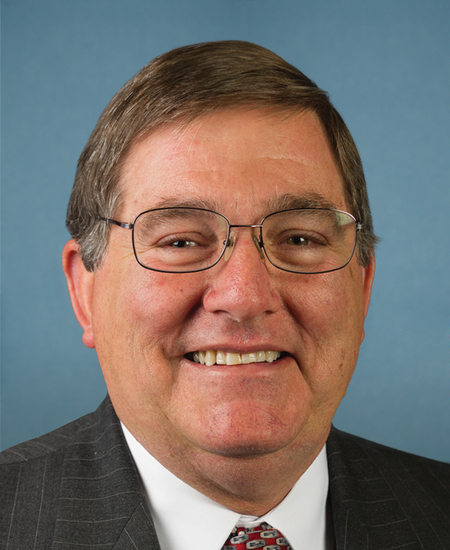
Rep. Michael C. Burgess
Sponsored bills
Maddy summaryThe PAGER Act restricts U.S. military aid to Lebanon’s armed forces and internal security forces until the Secretary of State certifies specific conditions regarding Hezbollah and Iranian influence. Key conditions include Lebanon no longer recognizing Hezbollah or allied groups as legitimate political entities, implementing UN Resolution 1559 (disarming militias), expelling Hezbollah from strongholds, ending coordination with Hezbollah or Iran, and dismissing legal cases against Americans who criticized Hezbollah. The bill also prohibits U.S. funding for UN programs supporting Lebanese military livelihoods. It mandates regular reports to Congress on Hezbollah and Iranian influence in Lebanon’s government. This directly affects U.S. foreign assistance to Lebanon’s security forces and requires Lebanon to meet defined security and political benchmarks.
Maddy summaryThis bill modifies Medicaid and CHIP rules to let eligible out-of-state healthcare providers enroll without extra state screening. It applies to providers already in Medicare or their home state program, with low fraud risk, serving children under 21 with complex medical conditions. Providers would receive 5 years of enrollment under this streamlined process, eliminating state-level barriers. The change directly affects children seeking specialized care across state lines and the providers who serve them.
Maddy summaryHJRES 168 is a congressional resolution seeking to block a specific environmental regulation by the Council on Environmental Quality (CEQ). It targets the CEQ's "National Environmental Policy Act Implementing Regulations Revisions Phase 2" rule, published in the Federal Register on May 1, 2024 (89 Fed. Reg. 35442). If passed, this resolution would use a statutory process under Title 5, U.S. Code, to nullify the rule, preventing it from taking effect. The bill directly affects the CEQ's regulatory authority over federal environmental reviews under the National Environmental Policy Act (NEPA).
Maddy summaryHR 9274, the SHAWL Act, establishes two new Smithsonian museums: the National Museum of the American Latino and the American Women’s History Museum. It authorizes both museums to be located within the National Mall’s "Reserve" area, overriding prior restrictions, and requires federal agencies managing potential sites to transfer jurisdiction to the Smithsonian after notifying congressional committees. The bill mandates that both museums accurately represent diverse cultures, histories, and viewpoints within Latino and women’s communities through exhibits and programs, requiring input from a broad range of community experts. It also requires the Smithsonian to submit biennial reports to Congress detailing compliance with these representation requirements.
Maddy summaryThe Respect State Housing Laws Act amends the CARES Act by removing subsection (c) of Section 4024, which governed notice requirements for housing assistance programs. This change eliminates a specific federal notice provision that applied to tenants and landlords receiving CARES Act housing aid. The bill directly affects the administrative process for housing assistance under the CARES Act, streamlining or removing a requirement for notice delivery. It modifies an existing provision without creating new policy or altering broader housing protections.
Maddy summaryThis bill creates a new Public Participation Division within the Federal Energy Regulatory Commission to better coordinate assistance for the public during regulatory proceedings. The Division would be led by a Director who provides technical and logistical support to individuals and groups participating in Commission processes, but cannot offer financial compensation for legal or expert witness fees. The legislation also requires the new Director to submit a report to Congress within one year detailing how the Division operates and how its functions overlap with existing Commission authorities. This structure aims to streamline public engagement in energy regulation while maintaining clear boundaries on the type of assistance provided.
Maddy summaryHR 4581, the Maternal and Child Health Stillbirth Prevention Act of 2024, amends Title V of the Social Security Act to explicitly allow federal funds to support stillbirth prevention efforts. The bill directs states receiving Title V maternal and child health funds to use these resources for evidence-based programs and research aimed at reducing stillbirths, including tracking fetal movements, screening for growth issues, smoking cessation, and community support. It directly affects state maternal health programs by clarifying that existing funding can now cover specific stillbirth prevention activities previously not explicitly permitted. The law changes how Title V funds may be spent, adding clear provisions for research and programs targeting stillbirth reduction. This is a policy change that updates funding guidelines without creating new programs or mandates.
Maddy summaryHJRES 164 is a congressional resolution seeking to block a rule issued by the Department of Commerce regarding firearms license requirements. It directly targets the rule published in the Federal Register (89 Fed. Reg. 34680), which would have revised licensing procedures for firearms dealers. If passed, the resolution would prevent this rule from taking effect by invoking the congressional disapproval process under federal law. The bill does not create new regulations but aims to halt an existing rule affecting gun license applicants and dealers.
Maddy summaryHRES 1341 is a procedural resolution that schedules debate on five specific bills and resolutions. It sets the process for considering H.R. 8281 (which would require U.S. citizenship proof for federal voter registration), H.J. Res. 165 (seeking to disapprove an education nondiscrimination rule), H.R. 8772 (funding for the legislative branch), H.R. 7700 (limiting dishwasher energy standards), and H.R. 7637 (limiting refrigerator energy standards). The resolution waives objections to debate and outlines time limits for discussion on each measure. It does not change policy itself but enables the House to vote on these specific proposals.