

Maddy summaryHR 5258, the Lawsuit Abuse Reduction Act of 2025, amends federal civil procedure rules to strengthen sanctions against attorneys who file frivolous or abusive lawsuits. The bill requires courts to automatically impose sanctions - including compensating the harmed party for reasonable legal expenses and fees - when attorneys violate rules governing pleadings. It directly affects attorneys and their clients by increasing accountability for baseless filings in federal court. Key provisions mandate that courts must order payment for actual costs incurred due to the misconduct, with additional sanctions like dismissing a case permitted if needed. The bill does not restrict new legal claims or defenses under existing laws.
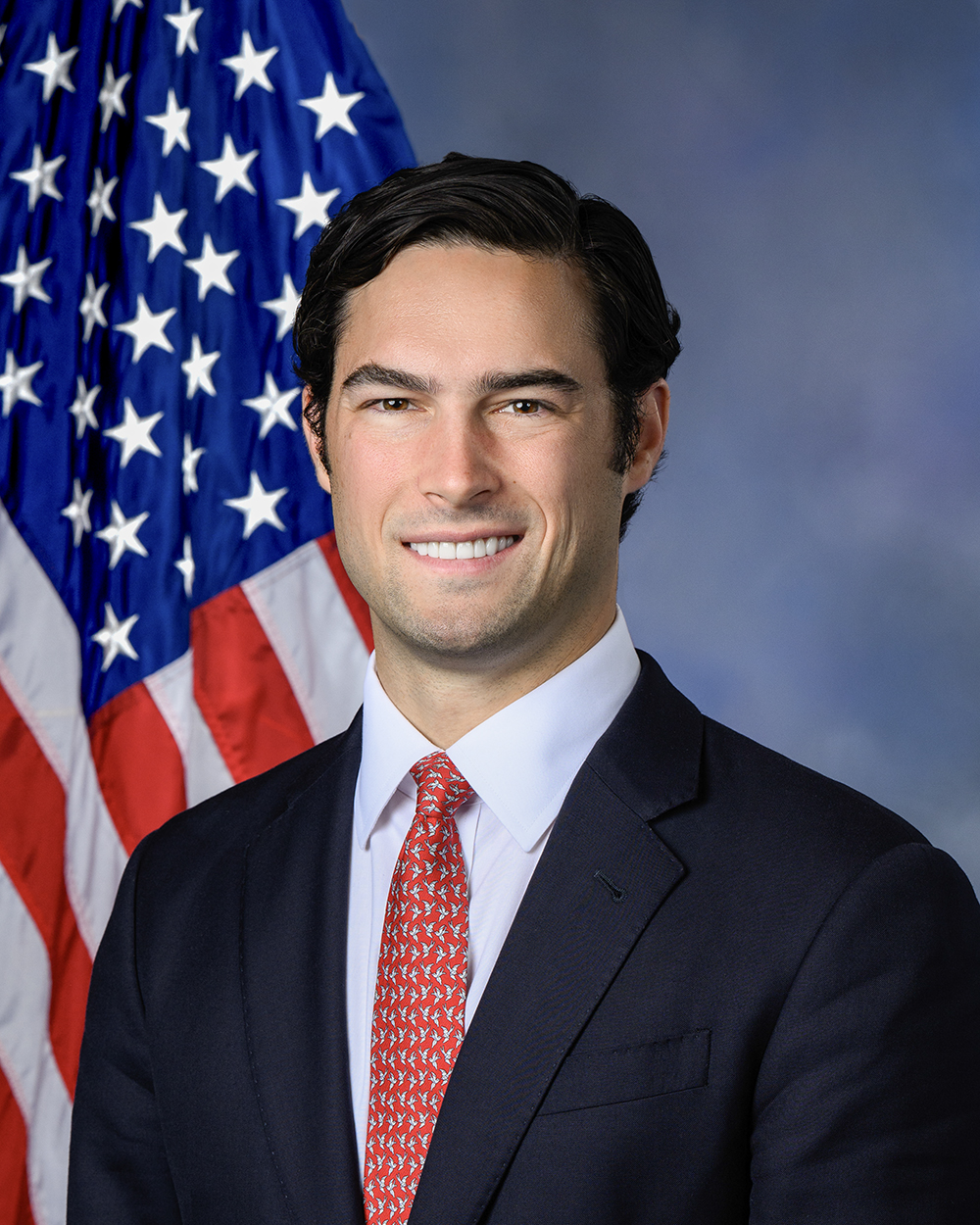
Rep. Brandon Gill
Sponsored bills
Maddy summaryHR 3592, the Protect LNG Act of 2025, prevents court challenges from halting LNG export permits during litigation. It requires courts to send environmental review disputes back to federal agencies (like the Department of Energy or FERC) instead of canceling permits, and mandates that agencies continue processing all LNG facility applications. The bill also sets a strict 90-day deadline for filing legal challenges after a permit is finalized. This directly affects LNG companies seeking export approvals and federal agencies overseeing these projects.
Maddy summaryThis bill amends the definition of "unauthorized alien" in immigration law by removing the phrase "or by the Attorney General" from Section 274A(h)(3) of the Immigration and Nationality Act. It is a procedural change to an existing legal definition with no new policy requirements or direct impact on specific groups. The bill does not alter enforcement mechanisms or create new obligations for employers or immigrants. This is a technical revision to statutory language, not a substantive policy change.
Maddy summaryHR 5194, the Beautifying Federal Civic Architecture Act of 2025, mandates that certain federal buildings - like courthouses, agency headquarters, and expensive public structures over $50 million - use classical or traditional architecture to reflect national dignity and regional heritage. It requires the General Services Administration (GSA) to prioritize these styles in design reviews, hire experts in classical architecture, and notify Congress if non-compliant designs (like Brutalist or Deconstructivist) are proposed. The bill sets specific aesthetic criteria, including ensuring buildings "command respect" and incorporate regional architectural traditions, while requiring cost comparisons between preferred and alternative designs. This primarily affects federal agencies planning new construction or major renovations of qualifying buildings, shifting design preferences without banning other styles outright.
Maddy summaryHR 5108 prohibits U.S. states from receiving federal Edward Byrne Memorial Justice Assistance Grant Program funds if they issue driver licenses to individuals without proof of U.S. citizenship or lawful presence, or if they restrict government entities from sharing immigration enforcement data with Homeland Security. States violating these rules must return unspent federal grant funds within 30 days and remain ineligible for future grants until they pass laws requiring driver license eligibility proof and permitting immigration data sharing. The bill directly affects states that currently issue licenses to undocumented immigrants or block information sharing with federal immigration authorities. It imposes concrete financial penalties rather than altering driver licensing rules themselves.
Maddy summaryH.J.Res. 118 is a symbolic resolution proposing that September 12, 2025, be designated as "The Day of the Bible" in the U.S. It does not create new laws or affect specific groups. The resolution asks Congress to express support for the designation and encourages schools, civic groups, and communities to hold educational activities about the Bible's historical role. It also requires the President to issue an annual proclamation for this day, recognizing the 1782 approval of the Aitken Bible as a milestone in American history. The bill is purely ceremonial with no legal obligations.
Maddy summaryHR 5076, the Protection of College Sports Act, codifies Executive Order 14322 into law, making its provisions about college sports revenue and athlete compensation legally binding. The bill does not alter the existing rules in the executive order but ensures they have the force of law, preventing future changes through executive action alone. This directly affects college athletic programs, universities, and student-athletes by establishing permanent legal standards for revenue sharing and compensation. The key mechanism is converting an executive order into statutory law, requiring congressional action for any future modifications.
Maddy summaryThis bill creates a federal database identifying state or local governments that conflict with immigration enforcement laws. It prohibits federal funding for any jurisdiction listed in this database, which includes entities that block cooperation with immigration detainers, restrict arrests of certain immigrants, or prevent officials from interviewing incarcerated individuals about immigration status. The database must be updated quarterly and made public within 90 days of the bill's enactment. This directly affects local governments that have policies limiting collaboration with federal immigration authorities.
Maddy summaryHR 4919 designates the U.S. Postal Service facility at 765 West Old Route 66 in Ash Fork, Arizona, as the "Fayrene Hume Post Office." The bill updates all federal references to this location to reflect the new name. This is a purely administrative naming change with no policy or funding impact, directly affecting the postal facility and related federal documents.
Maddy summaryHR 4846, the ROAD Act, creates a new legal defense for drivers involved in vehicle-related injuries or property damage during riots. It allows defendants to claim this defense if they were convicted of rioting under 18 U.S.C. § 2101 or if the court finds rioting occurred by a preponderance of evidence. The bill requires courts to pause civil cases during related criminal trials unless a conviction wouldn't support the defense. This applies specifically to cases involving motor vehicle incidents stemming from riots, directly affecting defendants with prior riot convictions. The law amends Title 18 to add Section 40B as a procedural change.