

Maddy summaryThis bill creates the "Boots to Business Program" to provide entrepreneurship training to military members, veterans (including those discharged under non-dishonorable conditions), and their spouses. It offers online courses, in-person classes, and business planning support to help these individuals start small businesses, with training covering topics like business plans, funding, and local resources. The program, running through 2028, requires collaboration with Veteran Business Outreach Centers and mandates sharing materials with the Departments of Defense, Labor, and Veterans Affairs. Annual reports will track participation, demographics, business startup rates, and program effectiveness.
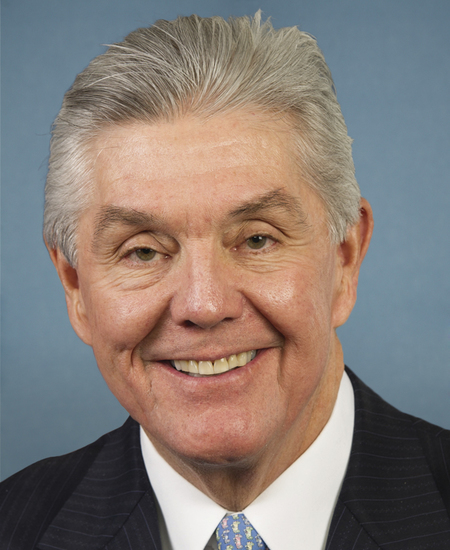
Rep. Roger Williams
Sponsored bills
Maddy summaryHR 277 would require Congress to approve major federal regulations before they take effect. Major rules are defined as those with significant economic impact ($100 million+ annually), major cost increases for consumers or industries, or significant adverse effects on competition, employment, or innovation. Agencies must submit detailed information about these rules to Congress, including cost-benefit analyses, before they can take effect. Congress would have 70 session days to approve the rule with a joint resolution; if they don't act within that timeframe, the rule would not take effect. This would increase congressional oversight of federal regulations and require more detailed information about proposed rules before they become law.
Maddy summaryHJRES 69 is a resolution seeking to disapprove an Environmental Protection Agency (EPA) rule published on June 5, 2023, which established a "Federal Good Neighbor Plan" for the 2015 ozone air quality standards. The rule aimed to address ozone pollution crossing state lines, particularly affecting southeastern states and industries subject to the 2015 ozone standards. This resolution would block the rule from taking effect by invoking the Congressional Review Act, preventing it from being enforced. If enacted, it would directly stop the EPA from implementing this specific plan, impacting states and businesses that would have had to comply with the rule.
Protecting Consumers from Abusive Mortgage Leads Act This bill prohibits a credit reporting agency from providing a consumer's credit report to a third party in connection with a mortgage transaction unless (1) the third party provides documentation certifying that it has the consumer's consent, or (2) the third party has a current financial service relationship with the consumer.
Maddy summaryThis bill requires all U.S. flags displayed on federal property or purchased by federal agencies to be 100% made in the United States, meaning all materials and manufacturing must occur domestically. It directly affects federal agencies (including military departments, legislative/judicial branches, and U.S.-owned corporations) and their procurement of flags for display on government property. Key provisions include a 90-day implementation for new flag purchases and a 2-year phase-in for display requirements, with a separate mandate for the FTC to study and report on country-of-origin labeling enforcement for flags within one year. The bill does not apply to private entities or flags displayed off federal property.
Maddy summaryHR 4035, the Protecting Small Business Information Act of 2023, requires the Treasury Secretary to coordinate the effective dates of all rules under the Corporate Transparency Act. It mandates that all final rules related to beneficial ownership reporting must take effect on the same date, delaying implementation until the Secretary certifies to Congress that all rules are issued and will align on a single effective date. This directly affects small businesses required to report beneficial ownership information under the Corporate Transparency Act. The bill’s key mechanism is creating a unified implementation timeline, preventing staggered rule deadlines that could complicate compliance for small entities. It does not change reporting requirements but ensures a synchronized rollout of the regulations.
Maddy summaryHR 4036, the Accountability through Confirmation Act, changes the appointment process for the Director of the Financial Crimes Enforcement Network (FinCEN). It requires the President to appoint the Director with Senate confirmation (instead of the Treasury Secretary), sets the Director's pay at Executive Schedule Level IV, and provides a transition period for the current Director until the new appointee is confirmed. This bill directly affects FinCEN leadership by shifting appointment authority to the President and Senate. The key change is the requirement for Senate confirmation of the FinCEN Director, altering the current process.
Maddy summaryHR 1730 amends the Small Business Act to require Small Business Development Centers (SBDCs) and Women’s Business Centers (WBCs) to provide specific support related to career and technical education (CTE). The bill directs these centers to help small businesses hire CTE program graduates and assist CTE graduates in starting small businesses. It adds new provisions (subparagraphs W/X for SBDCs and paragraphs 4/5 for WBCs) to their existing service requirements, without creating new funding. This directly affects SBDCs, WBCs, small businesses seeking CTE talent, and CTE students/graduates aiming to launch ventures. The change modifies how existing federal small business support programs operate, focusing on connecting CTE education with workforce and entrepreneurship opportunities.
Maddy summaryThis bill requires the U.S. Treasury Department, with input from financial regulators and the State Department, to conduct a study and issue a report within one year of enactment. The report must assess how China's financial sector reforms impact U.S. and global financial stability, analyze related risks, and recommend actions to protect U.S. interests. It mandates the report be shared with relevant congressional committees, international financial bodies, and published online (excluding any classified parts). The bill directly affects federal agencies responsible for financial oversight but does not create new laws or spending. It is a procedural requirement focused on gathering information, not implementing policy changes.
Maddy summaryHR 3624, the Travel Trailer and Camper Tax Parity Act, amends the tax code to include certain towable travel trailers and campers under floor plan financing rules. This change directly affects recreational vehicle (RV) dealers and manufacturers who sell trailers designed for temporary living quarters (like camping or seasonal use) that are towed by or attached to a motor vehicle. The key provision expands the definition in tax law so these vehicles qualify for the same business tax treatment as other floor plan inventory, allowing dealers to deduct financing costs over time instead of upfront. The law applies to taxable years starting after December 31, 2022.