

Maddy summaryThe Fairness to Freedom Act of 2023 guarantees the right to government-funded legal counsel for immigrants facing removal, exclusion, deportation, or bond proceedings who cannot afford private representation. It establishes the Office of Immigration Representation to oversee this system, with Local Boards in each region managing appointments and ensuring quality representation through public defender organizations, community defender organizations, and attorney panels. The bill requires counsel to be appointed within 24 hours for detained individuals, ensures continuous representation through all proceedings, mandates minimum funding based on a prosecution-defense ratio, and prohibits using appointed counsel as a basis for public charge determinations.
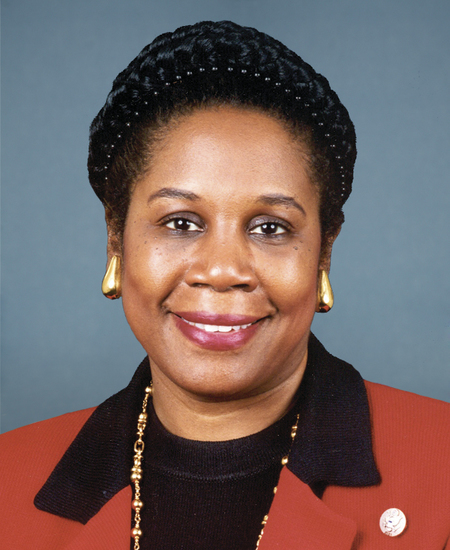
Rep. Sheila Jackson Lee
Sponsored bills
Maddy summaryHR 2413, the Dental Care for Veterans Act, reclassifies dental care as standard medical services under the VA's existing benefits structure, eliminating prior restrictions that treated dental care separately. It modifies how dental appliances are procured and establishes a phased eligibility timeline: veterans already eligible for dental benefits gain immediate access, while others qualify over 1-4 years based on their current benefit status. The bill affects all veterans currently covered under VA dental programs, changing their access to care without creating new funding. Key provisions streamline dental service delivery under Title 38, aligning it with other medical benefits.
Maddy summaryThe Panama Canal Zone Veterans Act of 2023 creates a presumption that veterans who served in the Panama Canal Zone between 1958 and 1999 (or until the last military member left) and developed specific illnesses are automatically eligible for VA benefits without needing to prove a direct link between their service and the condition. It lists 16 illnesses, including prostate cancer, lung cancer, diabetes, Parkinson's disease, and several other cancers, as qualifying for this presumption due to presumed exposure to herbicides like Agent Orange during service. The VA will use regulations based on medical evidence to determine which illnesses qualify under this provision. This change directly affects veterans who served in the Panama Canal Zone during the covered period and later developed one of the listed conditions.
Maddy summaryHR 1351, the "Save Oak Flat From Foreign Mining Act," repeals Section 3003 of the 2015 National Defense Authorization Act, which had mandated transferring 2,422 acres of Oak Flat in Arizona’s Tonto National Forest to foreign-owned Resolution Copper for mining. The bill withdraws this land from all mining activities, preventing Resolution Copper from using destructive block cave mining that would destroy the sacred site and harm water resources. Oak Flat, a National Register-listed Traditional Cultural Property sacred to Indigenous tribes, would be protected from a mine projected to deplete 775,000 acre-feet of groundwater over 40 years and create a 4,000-acre toxic waste dump. The legislation directly affects Resolution Copper (owned by Rio Tinto and BHP) and aims to halt the project that would obliterate cultural resources and exacerbate regional water shortages.
Maddy summaryThe Family Violence Prevention and Services Improvement Act of 2023 amends the Family Violence Prevention and Services Act to improve services for victims of domestic violence, dating violence, and family violence. The bill authorizes $270 million annually for fiscal years 2024-2028, with specific allocations including 12.5% for Tribal grantees, 2.5% for culturally specific services, and funds for national hotlines and resource centers. It establishes a national domestic violence hotline, a National Indian Domestic Violence Hotline, and resource centers for Alaska Native and Native Hawaiian populations, requiring all services to be trauma-informed, culturally relevant, and accessible to underserved populations including racial and ethnic minorities, people with disabilities, and Tribal communities. The bill also mandates a study on financial stability support for survivors of domestic violence.
Maddy summaryHR 2630, the Safe Step Act, requires group health plans and health insurance issuers to establish a clear, transparent process for patients or their doctors to request exceptions to medication step therapy protocols. These protocols typically force patients to try cheaper drugs first before covering more expensive alternatives. The bill mandates that plans must approve exceptions when prior treatments failed, delay would cause serious harm, a treatment is unsafe, or a patient is stable on a previously approved drug, with strict 72-hour (or 24-hour in emergencies) decision timelines. It also requires plans to publish the exception process online and limit documentation requests to only necessary medical information. This law directly affects health insurers, employers offering health plans, and patients using step therapy for prescription drugs.
Maddy summaryThe School Meals Expansion Act (HR 2567) amends the National School Lunch Act to make it easier for schools to provide free meals to all students. It lowers the income threshold to 25% (from a higher previous rate) and increases the eligibility multiplier to 2.5 for school years starting July 1, 2023. This means school districts with 25% or more students from low-income families can now qualify for full federal funding to offer free meals to all students without requiring individual applications. The bill directly affects local school districts that choose to participate in the community eligibility program under the National School Lunch Act.
Maddy summaryHR 2402, the Alan Reinstein Ban Asbestos Now Act of 2023, bans the manufacture, processing, use, and sale of commercial asbestos (including specific types like chrysotile and crocidolite) in the U.S. starting one year after enactment, with key exceptions. It allows the chlor-alkali industry to continue using asbestos for diaphragm manufacturing until two years after enactment and permits limited national security exemptions for up to three years with public disclosure. The bill also requires the EPA and HHS to create public education resources about asbestos health risks and mitigation options. This directly affects manufacturers, distributors, and users of commercial asbestos products, excluding asbestos present only as an impurity.
Maddy summaryHR 2439, the Ally’s Act, requires most private health insurance plans to cover hearing-related services and devices for qualifying individuals. It mandates coverage for cochlear implants, bone conduction devices, maintenance, upgrades every five years, hearing assessments, surgery, and rehabilitation, without separate cost-sharing or medical necessity reviews. This directly affects people with hearing loss who need implantable devices, as defined by a physician or audiologist. The law applies to group health plans under the Public Health Service Act, ERISA, and Internal Revenue Code, taking effect for plan years beginning January 1, 2025.
Resident Physician Shortage Reduction Act of 2023 This bill increases the number of residency positions eligible for graduate medical education payments under Medicare for qualifying hospitals, including hospitals in rural areas and health professional shortage areas. Current law provides for an increase of up to 200 positions per fiscal year beginning in FY2023, with a total increase of 1,000 positions; each hospital may receive up to 25 additional positions. Current law also provides for an additional increase of up to 200 positions for FY2026, with at least 100 of these positions for psychiatry or related specialties; each hospital may receive up to 10 additional positions. The bill provides for an additional increase of 2,000 positions per fiscal year from FY2025-FY2031; during this period, each hospital may receive up to 75 additional positions in total under the bill and current law. Additionally, one-third of the positions that are made available under the bill must be allocated to hospitals that are already operating above applicable resident limits. The bill also requires the Government Accountability Office to report on strategies to increase the diversity of the health professional workforce, including with respect to representation from rural, low-income, and minority communities.