

National Apprenticeship Act of 2021 This bill provides statutory authority for the registered apprenticeship program within the Department of Labor and for related grant programs. The bill provides statutory authority for the Office of Apprenticeship (OA) within Labor. The OA's responsibilities include (1) supporting the development of apprenticeship models; (2) recognizing qualified state apprenticeship agencies, and operating apprenticeship offices in states without a recognized agency; (3) providing technical assistance to state agencies; (4) periodically updating requirements for each occupation in the apprenticeship program and determining whether to approve new occupations for the program; (5) promoting greater diversity in the national apprenticeship system; and (6) awarding grants provided by this bill. The bill also establishes in statute the responsibilities of state apprenticeship agencies and offices, including (1) providing technical assistance to stakeholders, (2) resolving complaints, (3) establishing state performance goals, and (4) including in its written plan a description of how its apprenticeship programs align with the skills needs of the state's employers. The OA shall enter into an agreement with the Department of Education to promote the integration and alignment of apprenticeship programs with secondary, postsecondary, and adult education. The OA shall award grants, contracts, or cooperative agreements to eligible entities to (1) expand national apprenticeship system programs, including by expanding pre-apprenticeship and youth apprenticeship programs; (2) encourage employer participation; and (3) strengthen alignment between the apprenticeship system and education providers. The bill provides statutory authority for criteria for various programs, including (1) quality standards for apprenticeships, (2) requirements for apprenticeship agreements between a program sponsor and an apprentice, and (3) acceptable uses for grant funds awarded by this bill. The bill also provides statutory authority for the National Advisory Committee on Apprenticeships. The committee's duties shall include advising the OA on matters relating to this bill and providing recommendations on topics such as increasing the participation of populations not traditionally involved in the national apprenticeship system. Labor shall engage an independent entity to conduct research on ways to improve the management and effectiveness of national apprenticeship system programs.
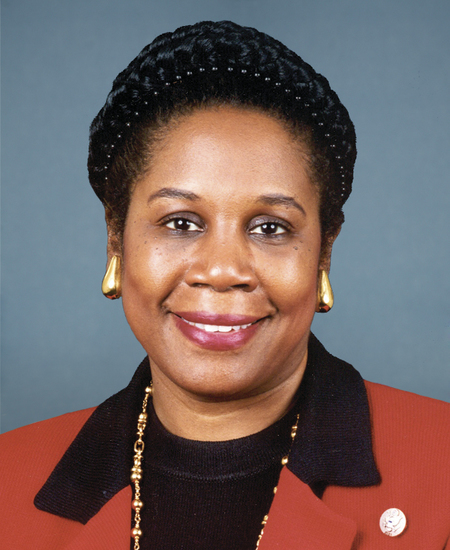
Rep. Sheila Jackson Lee
Sponsored bills
This resolution expresses support for the goals and ideas of Endometriosis Awareness Month. Endometriosis is a painful condition in which the tissue that normally lines the inside of the uterus grows outside the uterus.
This resolution declares that (1) the United States needs a Marshall Plan for Moms to revitalize and restore mothers in the workforce; and (2) mothers, especially mothers of color have been pushed to the brink of economic, social, and emotional collapse during the COVID-19 (i.e., coronavirus disease 2019) pandemic because of the existing economic and social inequalities women have long faced. The resolution also states that any relief and long-term recovery package to address the COVID-19 crisis must recognize and rebuild moms in the workforce by including certain policies such as establishing a robust paid leave plan; rebuilding and stabilizing the child care industry; providing necessary child poverty reduction tools for families' economic security that include recurring child benefits and an expanded and improved child tax credit and earned income tax credit; establishing an expanded unemployment insurance program that benefits struggling workers, including those experiencing long-term unemployment; raising the federal minimum wage to $15 per hour or higher for all minimum wage workers; and providing access to mental health support for mothers. Finally, the resolution declares that employers and policymakers must prioritize addressing the economic cliff facing mothers and make permanent the policies set forth in this resolution so that mothers are protected against any future economic calamities.
Kira Johnson Act This bill establishes grants to improve maternal health outcomes for racial and ethnic minority groups and other underserved populations. Specifically, the Department of Health and Human Services must award grants for community-based programs to improve maternal health outcomes for Black pregnant and postpartum individuals, as well as individuals in other underserved groups; training for health care providers and others who work in maternity care settings on reducing and preventing racism, bias, and discrimination; and respectful maternity care compliance programs in specified health care facilities. The National Academies of Sciences, Engineering, and Medicine must study issues related to the training programs, and the Government Accountability Office must study issues related to the compliance programs.
Revitalize and Expand SNAP Education and Training for America's Future Act or the RESET for America's Future Act This bill increases federal reimbursement for certain state employment and training programs under the Supplemental Nutrition Assistance Program (SNAP, formerly known as the food stamp program). The Department of Agriculture (USDA) must issue certain guidelines that permit a state to submit for full and expedited federal reimbursement of any costs incurred through SNAP employment and training programs that meet certain criteria (e.g., programs with proven positive outcomes), with no match requirement. USDA must temporarily reimburse each state 100% of costs incurred in connection with transportation costs and other expenses related to participation in such programs through the end of the COVID-19 (i.e., coronavirus disease 2019) public health emergency or two years, whichever is later. It must also reimburse each state 100% of costs incurred to build, modernize, or improve state and local data systems related to SNAP employment and training programs. Further, USDA must commission a thorough national assessment of its SNAP employment and training programs to develop a strategy for continuous improvement to the programs.
Assuring You Uniform Dietary Assistance (AYUDA) Act of 2021 This bill makes the Commonwealth of the Northern Mariana Islands eligible to participate in the Supplemental Nutrition Assistance Program (SNAP, formerly known as the food stamp program).
Next Generation Entrepreneurship Corps Act This bill establishes the Next Generation Entrepreneurship Corps Program to promote entrepreneurship in the most distressed regions of the United States, including those regions affected by COVID-19 (i.e., coronavirus disease 2019), by awarding participating fellows a two-year stipend to start and grow a new small business. Fellows will receive (1) a $120,000, two-year stipend for living and basic startup expenses; (2) health care; and (3) interest-free federal student loan deferral for two years. Further, fellows shall receive mentorship from the Service Corps of Retired Executives and be matched with a full range of lenders, investors, and insurers. The bill also establishes a fund in the Department of the Treasury from which the SBA may provide loans for qualified investors to support a small business owned and operated under the program by a fellow.
Helping Experts Accelerate Rare Treatments Act of 2021 This bill addresses rare diseases, including by requiring the Food and Drug Administration to ensure the inclusion of rare disease experts and staff members in various parts of the drug review process. The bill also requires certain reports to address issues related to rare diseases and drugs for treating such diseases (sometimes referred to as orphan drugs if the rarity of the disease makes it difficult for the drug to be profitable).
Help Extend Auditory Relief Act of 2021 or the HEAR Act of 2021 This bill provides for Medicare coverage of hearing aids and hearing rehabilitation services. Covered services include hearing aid assessments, fittings, and related instructional services.
Department of Peacebuilding Act of 2021 This bill establishes a Department of Peacebuilding in the executive branch, dedicated to peacebuilding, peacemaking, and the study and promotion of conditions conducive to both domestic and international peace and a culture of peace. The mission of the department includes the cultivation of peace and peacebuilding as a strategic national policy objective and development of policies that promote national and international conflict prevention, nonviolent intervention, mediation, peaceful conflict resolution, and structured conflict mediation. The department shall collaborate with others to promote personal and community security and peace by supporting policies to address personal and family violence, including suicide; reduce drug and alcohol abuse; and create, through local community initiatives, peace projects that facilitate conflict resolution and healing of societal wounds. A Federal Interagency Committee on Peace is established to coordinate the actions of the department with other federal agencies. The Department of Defense and the Department of State must consult with the department concerning nonviolent means of conflict resolution when a conflict between the United States and any other government or entity is foreseeable, imminent, or occurring. The department shall encourage citizens to observe and celebrate the blessings of peace and endeavor to create peace on Peace Days.